2026 Top Foil Printing Machine Features You Need to Know?
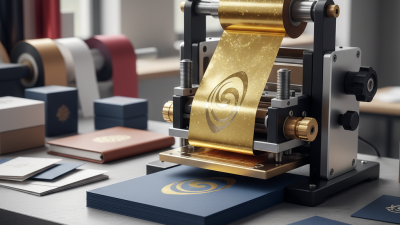
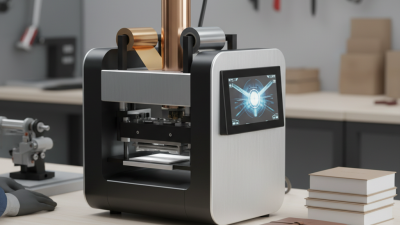
The world of printing technology is evolving rapidly, and understanding the latest advancements is crucial for businesses. Among these advancements, the Foil Printing Machine stands out as a popular choice. With its ability to create stunning finishes, it offers a unique edge for products seeking that extra touch of elegance. In 2026, several features define the top models in the market.
As the demand for high-quality prints increases, manufacturers are innovating constantly. The Foil Printing Machine combines precision and visual appeal, making it essential for various industries. From packaging to promotional materials, its versatility is noteworthy. However, not all machines deliver the same level of quality. Some may falter in reliability or ease of use, prompting users to reflect on their choices.
The journey to finding the ideal Foil Printing Machine involves examining essential features. Investing in reliable technology can significantly impact production efficiency. Yet, it requires careful consideration of each model's strengths and weaknesses. In a field with many options, choosing wisely can lead to improved outcomes and customer satisfaction.
Key Features of the 2026 Foil Printing Machines
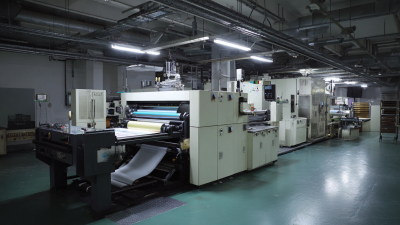
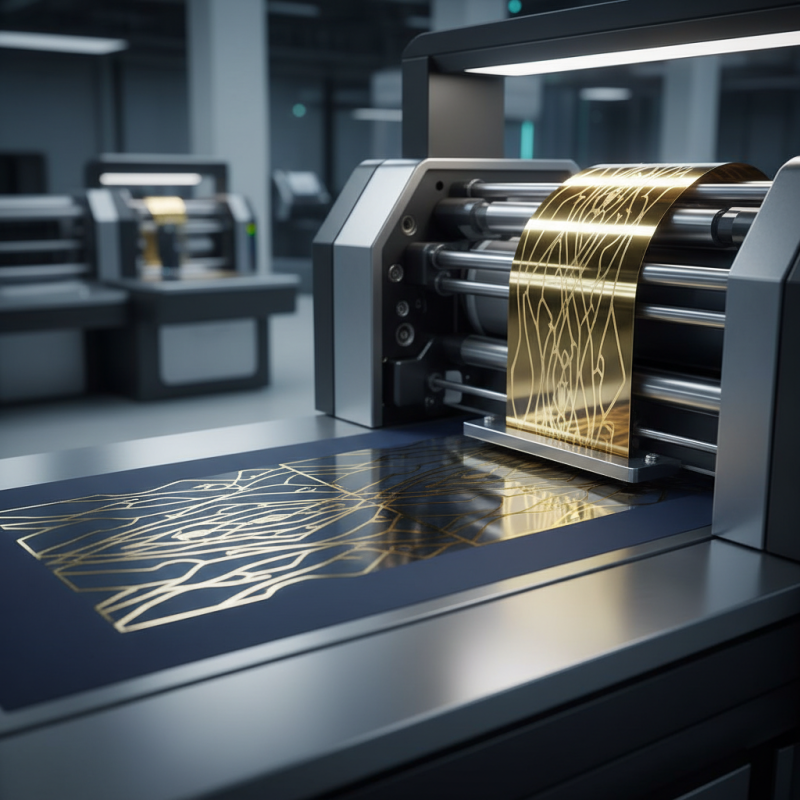
The foil printing industry is evolving rapidly, with 2026 promising innovative advancements. One key feature in these machines is their speed. Advanced models can print at speeds exceeding 150 meters per minute, significantly improving production times. This efficiency translates to reduced operational costs and higher output. According to industry reports, manufacturers are focusing on minimizing downtime, making these machines more reliable.
Another critical feature is versatility. The latest foil printing machines are designed to handle various substrates including paper, plastic, and metal. This adaptability allows businesses to expand their product offerings. However, as versatility increases, so does the complexity of operation. Operators need thorough training to maintain print quality across different materials. This reflects a potential challenge that companies must address.
Energy efficiency is also a growing concern. Reports indicate that newer machines utilize up to 40% less power than older models. This shift not only supports environmental goals but also reduces expenses in the long run. Still, the transition to more energy-efficient systems may require significant initial investments. Businesses must weigh immediate costs against long-term savings, which is not always straightforward.
Advancements in Foil Printing Technology for 2026
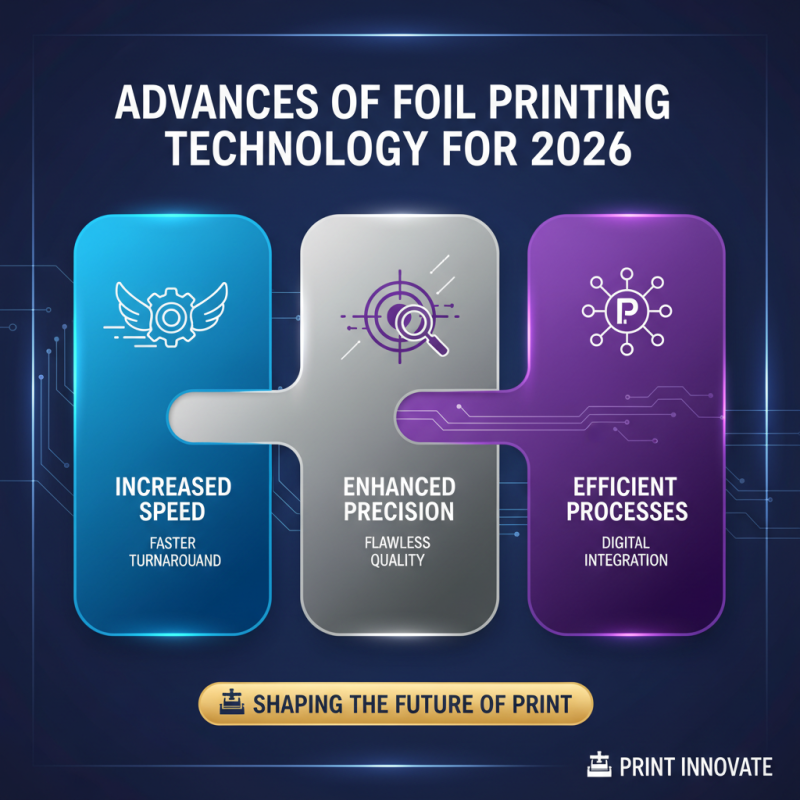
Advancements in foil printing technology for 2026 are shaping the future of the printing industry. New developments emphasize speed and precision. Improved machinery now allows for faster turnaround times without sacrificing quality. With the rise of digital communication, efficient printing processes are more vital than ever.
Another significant trend is the increased use of eco-friendly materials. Sustainable foils are gaining popularity among businesses. These materials not only reduce environmental impact but also meet consumer demand for greener products. However, the challenge remains to balance costs and sustainability. Brands must navigate this complex landscape carefully.
Moreover, automation is becoming essential in foil printing. Smart technology can streamline operations and reduce errors. Despite this, some companies struggle to embrace these advancements. Training staff can be a barrier, and not all businesses adapt at the same pace. Adaptability is key for success in this evolving industry landscape.
Comparative Analysis of Leading Foil Printing Machines
When comparing leading foil printing machines, it’s essential to consider their features and performance. Each machine offers unique capabilities, catering to various printing needs. One key aspect is the ease of use. Some machines are designed for beginners, while others are tailored for advanced operators. Make sure to assess your skill level before making a choice.
Another critical factor is the print quality. High-resolution output can elevate your projects. Evaluate the maximum resolution each machine can achieve. It’s also worth examining how they handle different materials, as some machines perform better on various substrates.
Tips: Pay attention to the user interface. A complicated setup can hinder productivity. Always look for machines that offer training resources. This will bridge any gaps in understanding the equipment.
Consider maintenance requirements, too. Some machines may require less frequent upkeep, making them more reliable in the long run. A machine that is challenging to clean can lead to frustrating downtimes. Investing in a machine that combines efficiency and ease of maintenance can be worthwhile.
Applications and Benefits of Modern Foil Printing
In modern printing, foil printing stands out for its vibrant aesthetics and versatility. It adds a touch of elegance to packaging, invitations, and marketing materials. The glossy finish and eye-catching colors attract consumers instantly. This method is not just visually appealing; it also enhances the tactile experience.
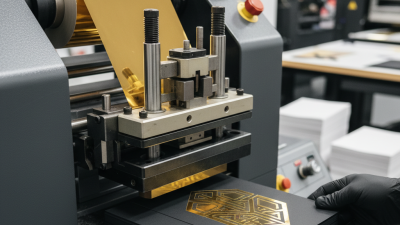
Foil printing works well on various substrates. Paper, cardstock, and even plastics are popular choices. Brands seeking to differentiate their products often utilize this technique. High-end products, especially in cosmetics and alcohol, frequently use foil printing to convey quality. However, precise alignment can be a challenge. Inaccurate positioning might lead to wasted material.
Tips: Always test different foil options. Not all foils work equally well on every surface. Consider the project’s needs before choosing. Additionally, invest in proper training. Knowing how to operate the machine efficiently impacts the outcome significantly. Regular maintenance of the printing machines helps ensure consistent results and avoids unexpected breakdowns.
Maintenance Tips for Optimal Performance of Foil Printers
Maintenance is crucial for optimal performance in foil printers. Regular cleaning of the machine prevents ink buildup. This can reduce print quality. According to a recent industry report, about 30% of print quality issues arise from poor maintenance practices. Keeping the print head clean ensures even foil application and vibrant results.
Humidity levels in your workspace can affect foil printing performance. An optimal environment should maintain humidity between 40% and 60%. Too much moisture can lead to foil sticking and inconsistent impressions. Moreover, the temperature should be stable to avoid warping foils. It’s common for users to neglect these factors, which can lead to subpar results.
Using the right foil for your machine matters. Not all foils work seamlessly with every printer. Mismatched materials can cause jams, and misprints. Understanding your specific printer requirements can improve efficiency significantly. Industry data shows that using compatible foils increases productivity by 25%. If you’re not already aware, these considerations can make a big difference in everyday operations. Regular assessment of your printer’s performance helps in identifying potential issues early.
2026 Top Foil Printing Machine Features
The following bar chart illustrates the essential features of top foil printing machines in 2026. Each feature is rated based on its importance for optimal performance and maintenance.