Top Automatic Cutting Machines for Your Business Needs?
In the fast-paced world of modern manufacturing, the role of the "Automatic Cutting Machine" has become indispensable. According to industry expert Mark Robinson, “The right automatic cutting machine can transform production efficiency.” Businesses face intense competition and must adapt quickly. Choosing the best equipment is crucial for staying ahead.
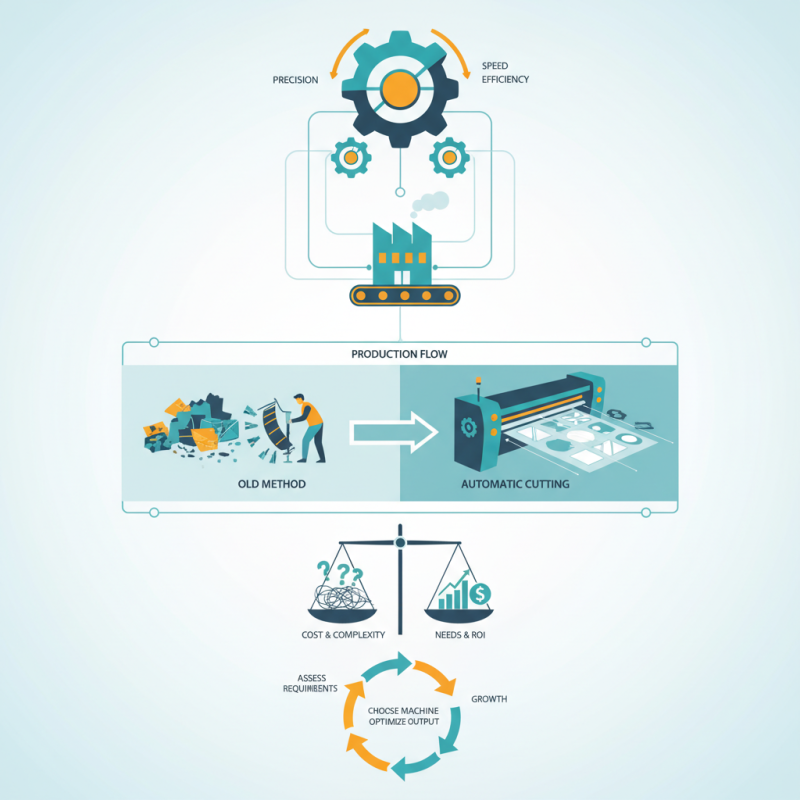
Automatic cutting machines provide precision and speed. They minimize waste and maximize output. However, selecting the right machine can be challenging. Each business has unique needs, and not all machines fit every application. Mark Robinson emphasizes this point: “Investing blindly without understanding your requirements can cost time and resources.”
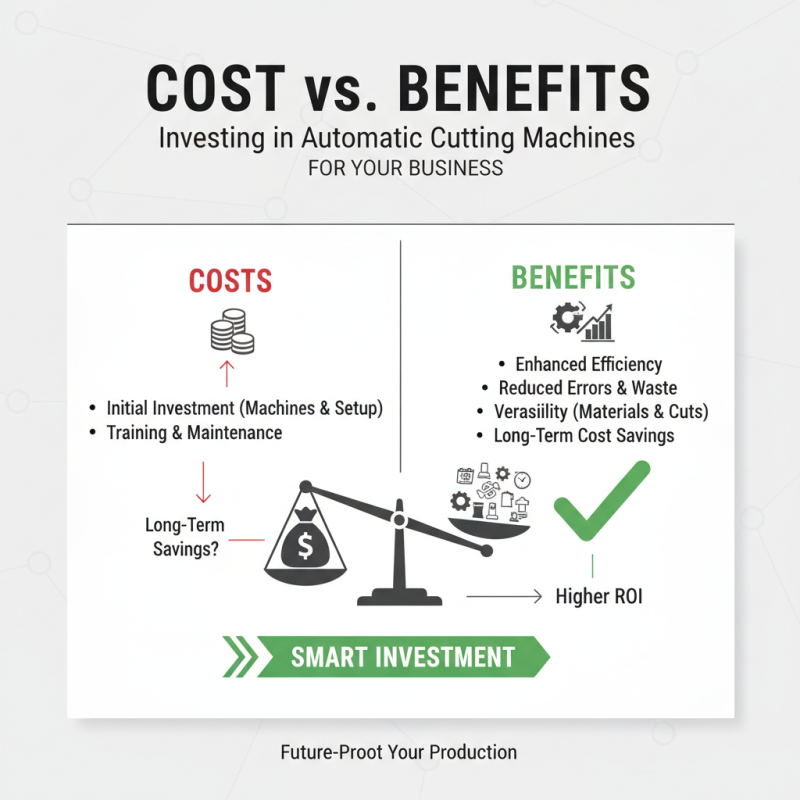
Many companies overlook key features. Some focus solely on price. Others prioritize advanced technology without considering ease of use. Finding balance is essential. Reflecting on these factors can lead to better decisions. In this article, we will explore top automatic cutting machines tailored to various business needs. With careful consideration, your investment will pay off.
Features to Consider When Choosing an Automatic Cutting Machine
When selecting an automatic cutting machine, several features should be prioritized to ensure optimal performance. Precision is critical. Machines should deliver consistent cuts, reducing material waste. In a report by Technavio, precision cutting machines can minimize waste by up to 30%. This efficiency translates into cost savings, crucial for any business.
Another important factor is the versatility of the machine. It should handle various materials, from fabrics to leather to plastics. A study by ResearchAndMarkets found that businesses utilizing versatile cutting machines can improve their workflow by 25%. However, the complexity of these machines sometimes leads to a longer learning curve for operators.
Speed is essential, too. Automatic cutting machines should operate quickly to meet production demands. According to a survey conducted by MarketsandMarkets, machines capable of high-speed cutting can increase output by 40%. Yet, higher speeds could compromise quality if not managed properly. Balancing speed and precision remains a challenge for many businesses. Investing in training for operators can mitigate this risk, ensuring that the full potential of the machine is realized.
Types of Automatic Cutting Machines Available for Different Industries
Automatic cutting machines have become essential tools across various industries. They offer precision, speed, and efficiency in cutting materials. Different types cater to specific business needs, ensuring that the right machine can enhance productivity.
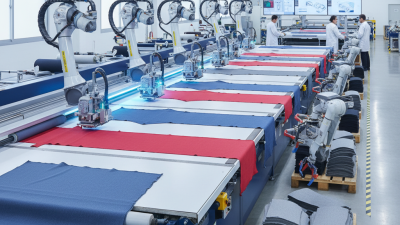
In the textile industry, fabric cutting machines excel at handling multiple layers of material. They use advanced technology to ensure clean edges and reduce fabric waste. Meanwhile, in the metal industry, laser cutting machines enable intricate designs with minimal effort. These machines require less manual labor, but they also demand regular maintenance.
For woodworking businesses, CNC routers provide automated cutting of wood. They can create complex shapes, but they require skilled operators to program and troubleshoot. Each type of automatic cutting machine has unique features and challenges. Finding the right fit for your needs can be a daunting task, but it is crucial for success. Evaluating specific requirements is essential for choosing appropriately.
Top Brands and Models of Automatic Cutting Machines in the Market
Automatic cutting machines have transformed various industries, enhancing productivity and precision. According to recent market analysis from industry experts, the demand for these machines is increasing at an annual rate of 7.5%. This growth is driven by the need for efficiency in manufacturing processes across sectors.
Several brands lead the market, each offering unique features. For instance, machines equipped with advanced software can automate complex designs. These systems greatly reduce manual labor. Yet, not all models meet user expectations. Some lack accuracy, leading to material waste. Users often report discrepancies between advertised capabilities and real-world performance.
Potential buyers should evaluate each model’s cutting speed and ease of operation. Speed can range from 5 to 30 meters per minute. Finding the right balance between speed and quality is crucial. Reports highlight that some businesses saw a 20% increase in production efficiency after selecting the right machine. However, it is essential for companies to consider their specific needs before investing.
Top Automatic Cutting Machines for Your Business Needs
Maintenance Tips to Ensure Longevity of Automatic Cutting Machines
Automatic cutting machines have become essential in various industries, but their longevity requires careful maintenance. Regular cleaning is critical. Dust and debris accumulation can lead to malfunctions. A 2022 report indicated that 30% of machine downtime is linked to improper maintenance practices. Ensure your machine is cleaned after each use, especially around moving parts. This simple task can save businesses significant repair costs.
Lubrication is another vital aspect of maintenance. Regular application of recommended lubricants reduces friction and wear. According to industry surveys, proper lubrication can extend machine life by 20-30%. Additionally, operators should inspect components regularly for wear or damage. This proactive approach prevents unexpected failures and costly replacements.
Training staff is equally important. Operators should understand machine capabilities and limitations. Untrained personnel may misuse machines, leading to breakdowns. Investing in staff knowledge can improve productivity and reduce downtime. Statistics show that companies with well-trained staff see a 15% increase in operational efficiency. Regular maintenance checks, along with trained personnel, ultimately support the machine's longevity and reliability.