Best Die Cutting Techniques for Efficient Production?
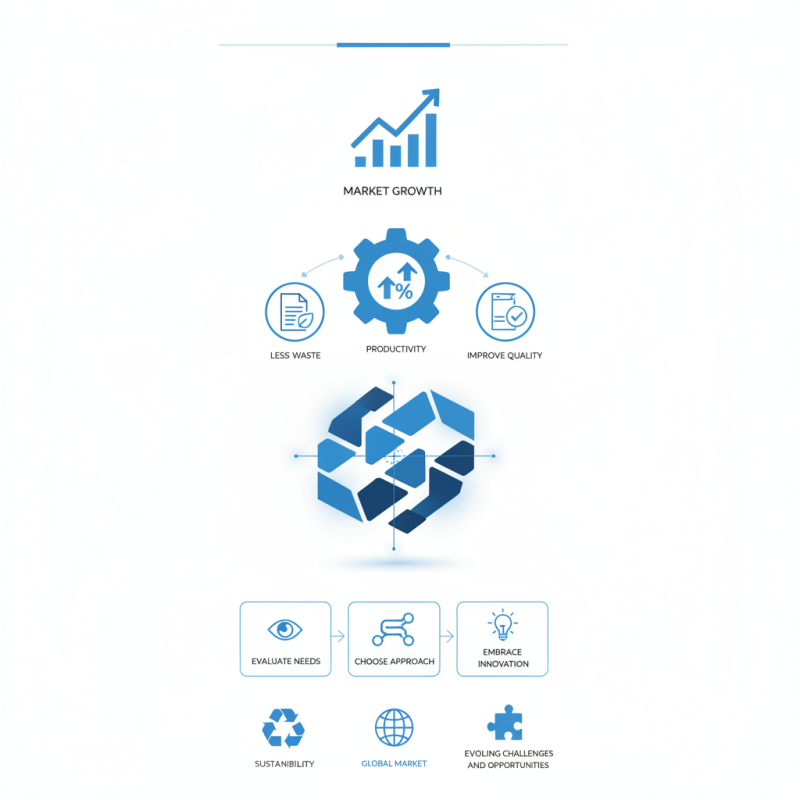
Die cutting is a vital process in many industries, from packaging to fashion. According to a report by Smithers Pira, the global die-cutting market is projected to reach $7.9 billion by 2026. This growth highlights the increasing importance of efficient and innovative die cutting techniques. Companies are constantly seeking methods to enhance productivity, reduce waste, and improve product quality to remain competitive.
Implementing the best die cutting techniques can significantly impact production efficiency. For example, precision die cutting allows for lesser material waste, ultimately leading to cost savings. An industry study found that businesses using advanced die cutting techniques reported a 25% increase in production rates. However, not all techniques are created equal. Companies must evaluate their specific needs and capabilities to choose the right approach.
This exploration of die cutting techniques aims to inform businesses about the most effective practices in the industry. Embracing innovative solutions can lead to better outcomes and foster long-term sustainability. The world of die cutting continues to evolve, creating both opportunities and challenges that demand attention.
Types of Die Cutting Techniques in Production
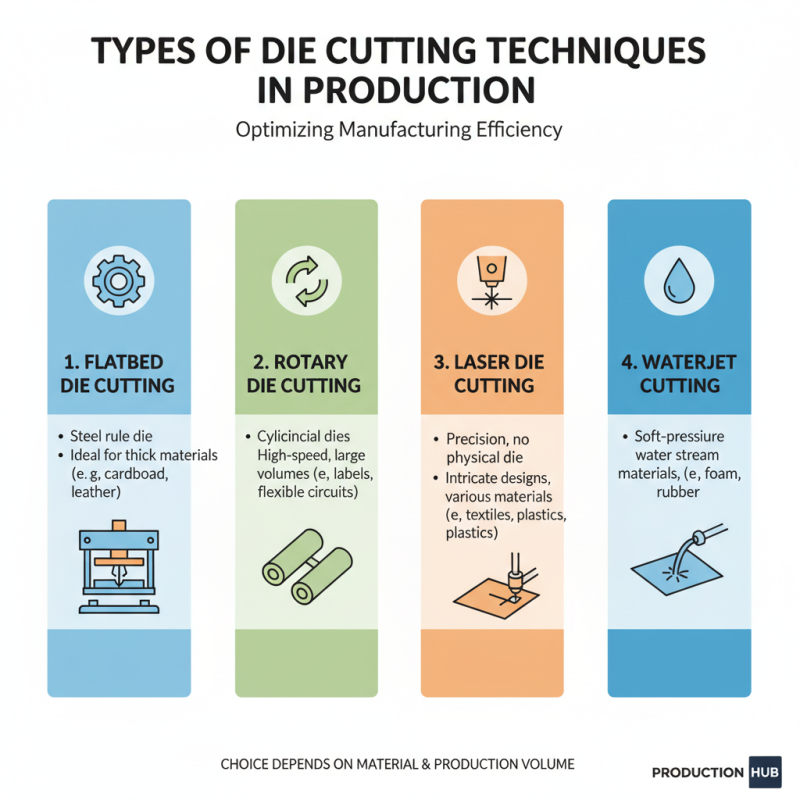
Die cutting is a vital process in manufacturing. There are several techniques that improve production efficiency. The choice of die cutting technique depends on the materials and the production volume.
One popular method is flatbed die cutting. This technique uses a flat die and is effective for large sheets. It is often seen in paper and cardboard industries. Another technique is rotary die cutting. This method uses a cylindrical die. It’s suitable for mass production and provides high speed. However, it requires a significant upfront investment.
Laser die cutting involves precise cuts with lasers, offering versatility. It can handle intricate designs but may slow down the process. Each technique has its strengths and drawbacks. Analyzing these can lead to better decision-making for production needs.
Advantages of Rotary vs. Flatbed Die Cutting
Rotary and flatbed die cutting are two main techniques widely used in production. Each has distinct advantages that cater to various manufacturing needs.
Rotary die cutting is known for its speed and efficiency. It uses cylindrical dies that rotate, allowing for continuous feeding of materials. This method is ideal for high-volume production.
It reduces waste and can handle intricate designs with precision.
Flatbed die cutting offers different benefits, especially for short-run projects. The flatbed presses accommodate thicker materials and larger sheets. This method allows for greater flexibility in design adjustments.
However, it is generally slower than rotary cutting, which may impact productivity for larger orders. Manufacturers must weigh speed against versatility when choosing between them.
Both techniques present unique challenges. Rotary machines can be more complex, requiring special maintenance. Flatbed presses may not be as efficient for high volumes.
Companies must reflect on their specific needs and production goals. Understanding the strengths and weaknesses of each method will lead to better decision-making in die cutting processes.
Factors Influencing Die Cutting Efficiency
Die cutting efficiency is influenced by several key factors. The selection of materials has a significant impact. For instance, using the right paper or cardstock can greatly improve cutting precision. Industry reports suggest that a mismatch in material can lead to up to 20% more waste. This waste directly affects production costs and efficiency. Understanding the properties of the materials can help minimize errors.
Moreover, the die design plays a crucial role. Advanced techniques in die design can enhance accuracy. Reports indicate that custom dies can reduce production time by 15%. However, many companies still rely on generic dies. This can result in inefficiencies and longer production cycles. Regularly reviewing die performance is essential to maintain efficiency.
The environment in which die cutting occurs also matters. Temperature and humidity levels can affect material behavior. Inconsistent conditions can lead to flawed cuts. A study highlighted that 30% of defects are due to environmental factors. Monitoring these aspects can enhance operational reliability. Addressing these variables can lead to smoother production processes.
Best Die Cutting Techniques for Efficient Production
Common Challenges in Die Cutting and How to Overcome Them
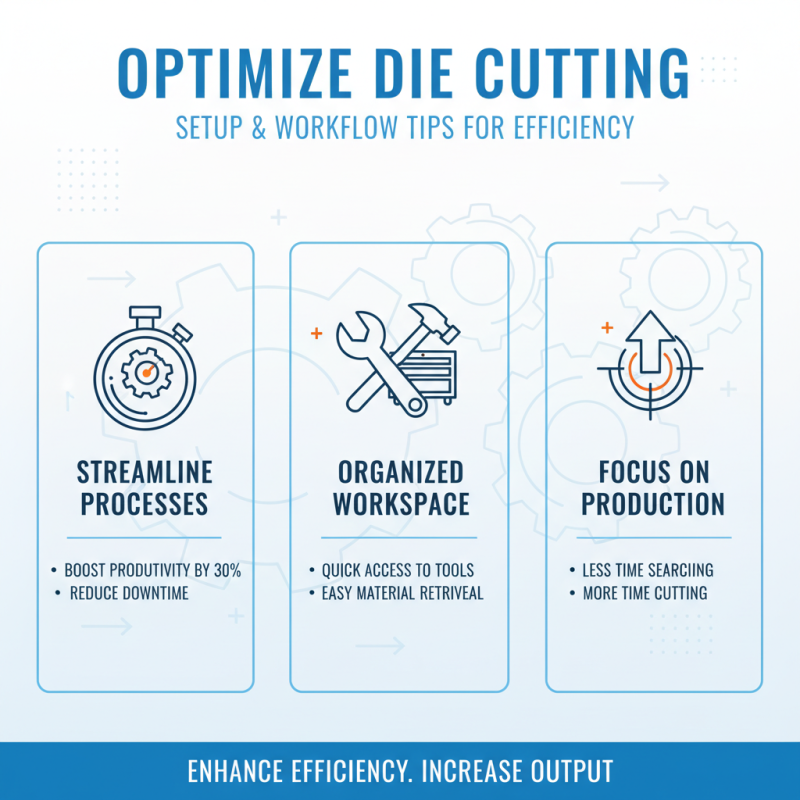
Die cutting is a widely used process in manufacturing. However, it does come with challenges. One common issue is material misalignment. This can lead to wasted resources and increased production time. To address this, ensuring proper setup is crucial. Operators should double-check alignment before the cutting process begins. Using guides or jigs can also facilitate better positioning.
Another challenge is tool wear. Dull dies can result in poor-quality cuts. Regular maintenance of tools is essential. Operators must monitor die condition frequently. When wear is detected, replacing or sharpening the die promptly can prevent larger issues. Keeping an inventory of spare tools helps maintain production flow.
Inconsistent cutting pressure is another problem. Variation can lead to uneven cuts, affecting the final product quality. Implementing pressure sensors can help. These sensors provide real-time feedback to operators. Training crew members on pressure management techniques is also beneficial. This ensures cuts are precise and consistent, leading to improved overall production efficiency.