2026 Best Packaging Printing Machine Reviews and Buying Guide?
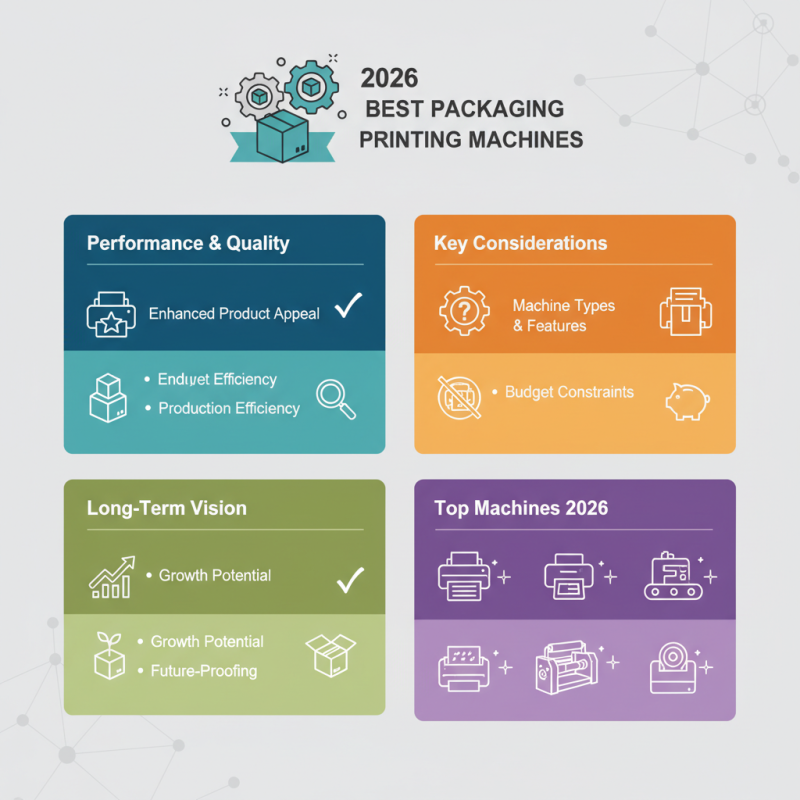
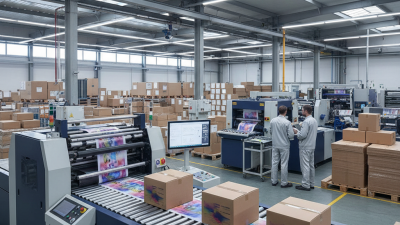
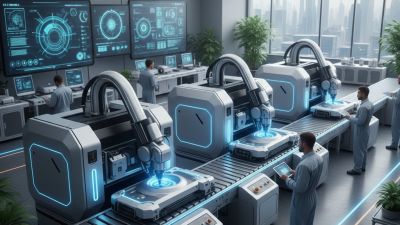
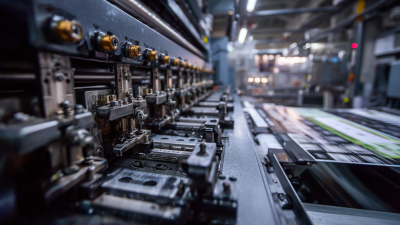
In the world of packaging, a reliable and efficient Packaging Printing Machine is crucial. Businesses looking to stand out need to invest in quality equipment. The right machine not only enhances product appeal but also improves production efficiency.
Today's market offers various options for packaging printing. Before making a purchase, consider specific needs. Each packaging printing machine comes with unique features and limitations. Understanding these can prevent costly mistakes.
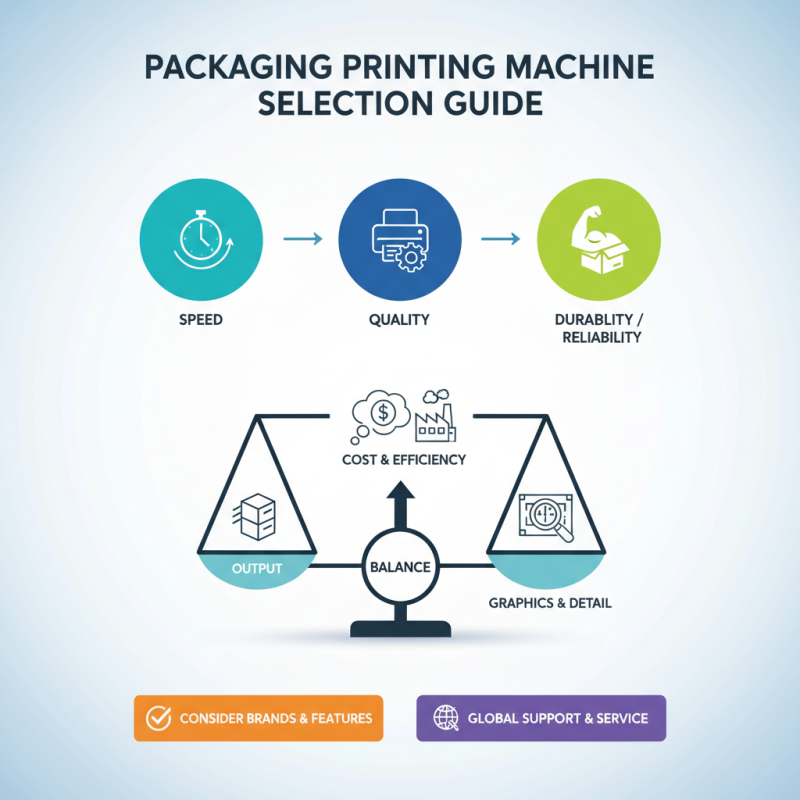
While performance is essential, budget constraints are a common concern. Finding a balance between quality and cost isn't easy. Reflecting on long-term goals and potential growth is necessary. This review aims to guide you through your choices. We’ll explore the best machines currently available and provide insight to simplify your decision-making process.
Top Features to Consider in Packaging Printing Machines for 2026
When choosing a packaging printing machine for 2026, it's important to focus on key features that enhance performance. Look for machines that offer high resolution printing. A minimum of 1200 DPI is ideal for achieving crisp and vibrant images. Additionally, consider the speed of production. Machines that can print at least 100 meters per minute can significantly improve efficiency.
Material compatibility is another crucial aspect. Ensure the machine supports various packaging materials, such as paper, plastic, and foil. This flexibility allows for versatile applications in different industries. Pay attention to ease of use as well. User-friendly interfaces can save time during setup and operation, reducing the chance of errors.
Finally, think about the machine's maintenance requirements. Some models may seem appealing but require frequent servicing. This can lead to unexpected downtime. A balance between performance and reliability is essential. Always evaluate the long-term value of the investment, not just the initial cost. Keep in mind, the best machine for you may not be the one with the most features but rather the one that fits your specific needs.
Comparison of Digital vs. Flexographic Printing Technologies
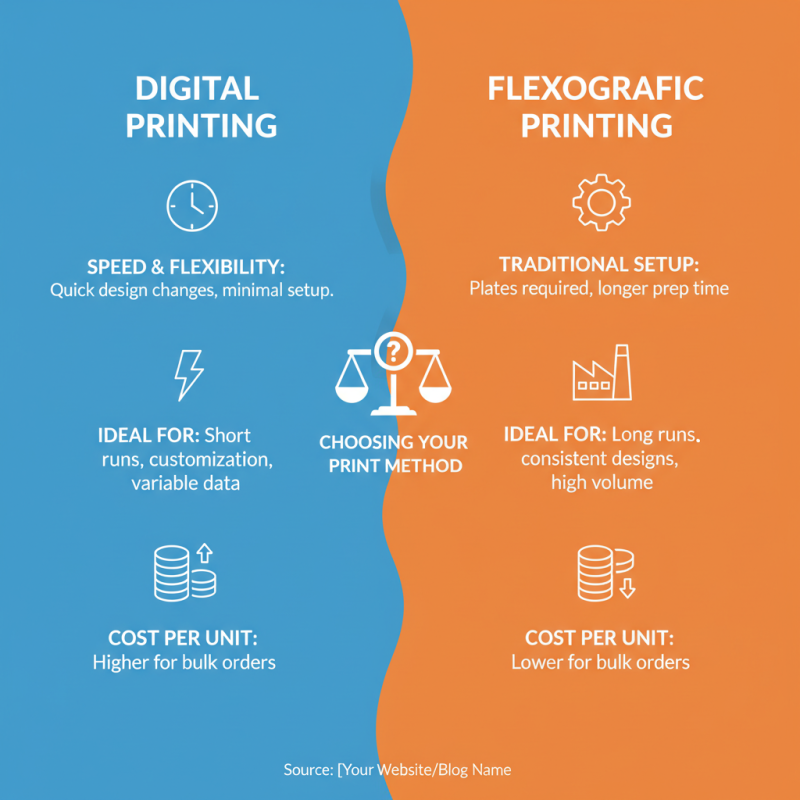
When choosing between digital and flexographic printing technologies, businesses face important decisions. Digital printing is known for its speed and flexibility. It allows for quick changes in designs without the need for extensive setup. This can be a game-changer for short runs or customized packaging. However, the cost per unit can be higher when producing in bulk.
On the other hand, flexographic printing is often praised for its efficiency in large production runs. It excels at delivering consistent quality and vibrant colors. The initial setup costs are higher, but the price per unit drops significantly for larger quantities. Companies might find it challenging to navigate these trade-offs. Choosing the wrong method could lead to wastage of resources or unmet customer expectations.
Some businesses struggle with quality control, regardless of the technology used. Digital presses might produce stunning prints but can sometimes lead to slight variations. Flexo, while consistent, can also have its pitfalls if not monitored closely. These complexities highlight the need for careful consideration in the production process. Balancing speed, cost, and quality is essential for long-term success in packaging printing.
Factors Affecting Pricing and Budgeting for Packaging Printing Equipment
When considering the purchase of packaging printing equipment, it's crucial to understand the factors affecting pricing. The type of machine plays a significant role. Flexographic and digital printers can vary widely in cost. You may find entry-level options for small businesses, but advanced models can become expensive. Features such as speed, print quality, and color capabilities impact the price.
Another key factor is the material compatibility of the machine. Some printers can handle a wide range of substrates, while others are limited. Ensuring your chosen machine matches your packaging needs is essential. It can mean the difference between a profitable investment and a costly mistake. Maintenance costs, such as ink and parts, should also be included in your budget calculations.
Budgeting requires a realistic view of your financial situation. It’s easy to be swayed by impressive specs and flashy advertisements. Yet, you must assess whether you truly need those features. Consider your production volume. Are you on a tight budget? It may be worth prioritizing essential features over luxury options. Reflection on your unique needs can lead to better choices.
2026 Best Packaging Printing Machine Reviews: Pricing and Features
Maintenance and Support Considerations for Packaging Printing Machines
Maintenance for packaging printing machines is critical for optimal performance. Regular upkeep can significantly extend the life of these machines, ensuring consistent quality in printing. A recent industry report indicated that 30% of machine failures occur due to inadequate maintenance practices. This highlights the importance of setting a proper maintenance schedule.
Timely support is equally vital. If a machine breaks down, production can stall. Fast access to technical support can minimize downtime. Aligning with providers who offer robust support systems is essential. Some companies use AI-driven diagnostics for quicker resolutions. This can lead to faster recovery times.
Tips: Schedule maintenance checks quarterly. Use quality materials to reduce wear and tear. Document repairs and issues to identify patterns.
In the packaging printing industry, small issues can snowball. Ignoring minor maintenance tasks can lead to major failures. Companies should evaluate their current support strategies regularly. Investing time and resources into maintenance pays off in the long run. Ultimately, a well-maintained machine directly impacts product quality and overall business success.
2026 Best Packaging Printing Machine Reviews and Buying Guide
| Machine Type |
Printing Technology |
Max Print Width (inches) |
Speed (ppm) |
Maintenance Frequency (months) |
Support Options |
| Flexographic Printer |
Flexography |
30 |
200 |
6 |
Online, Phone |
| Digital Printer |
Digital Inkjet |
42 |
100 |
12 |
Online, Chat |
| Gravure Printer |
Gravure |
40 |
150 |
9 |
Phone, In-Person |
| Offset Printer |
Offset Lithography |
36 |
80 |
6 |
Online, Onsite |