Why Choose the Best Cutting Machine for Your Business Needs?
The choice of a cutting machine can significantly impact your business's productivity and efficiency. In the manufacturing sector, data shows that companies using advanced cutting machines can improve production speed by up to 30%. This leap in efficiency often leads to reduced operational costs and enhanced final product quality. A reliable cutting machine can help businesses meet increasing customer demands.
Investing in the right cutting machine is not just about cost. It's essential to consider the machine's capabilities and features. For instance, precision cutting machines can minimize material waste by up to 20%. This reduction is crucial in industries where raw material costs are high. However, selecting the best option requires thorough research and reflection.
While many businesses rush into purchasing cutting machines, they often overlook their specific needs. A misaligned choice can lead to inefficiencies and could negate potential savings. Recognizing that not all machines are created equal is critical for long-term success. Each business has unique requirements, and understanding this can guide better decisions.
Understanding Different Types of Cutting Machines for Various Industries
When selecting a cutting machine for your business, it's essential to understand the different types available. Industries such as textiles and metal fabrication have unique requirements. For instance, laser cutting machines offer precision and versatility, making them ideal for intricate designs. They can handle various materials, from wood to plastics, allowing for diverse applications. However, they may require specialized training for effective use.
Waterjet cutting machines are another option. They use high-pressure water to cut through materials, offering a clean edge without thermal damage. This makes them suitable for sensitive materials like ceramics. While powerful, they tend to be larger and more expensive, which may not suit every business.
Moreover, CNC routers are popular in woodworking and sign-making. These machines automate the cutting process and provide scalability, accommodating small and large production runs. Yet, businesses must consider the maintenance and technical expertise required to operate these machines effectively. Choosing the best cutting machine depends on balancing these factors while aligning with specific industrial needs.
Key Factors to Consider When Selecting a Cutting Machine for Your Business
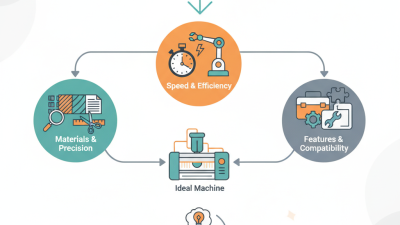
When selecting a cutting machine for your business, understanding key factors is essential. The type of material you will cut is crucial. Each material has specific requirements. For example, fabrics, metals, and plastics all need different blade types and speeds. Ensure the machine can handle the thickness and density of your materials effectively.
Another vital consideration is the machine's precision and speed. Precision affects the quality of your cut, impacting the final product. A machine that operates too slowly might hinder productivity. Conversely, one that is too fast might compromise accuracy. Striking a balance is necessary for optimized performance.
Additionally, think about the after-sales support and maintenance offered. Even the best machines face wear and tear over time. Reliable customer service can make a significant difference. It can help with training employees and troubleshooting. While choosing a machine, reflect on how these factors align with your business goals and workflows. This thought process ensures that you invest wisely for long-term success.
Comparative Analysis: Cost Efficiency of High-Quality Cutting Machines
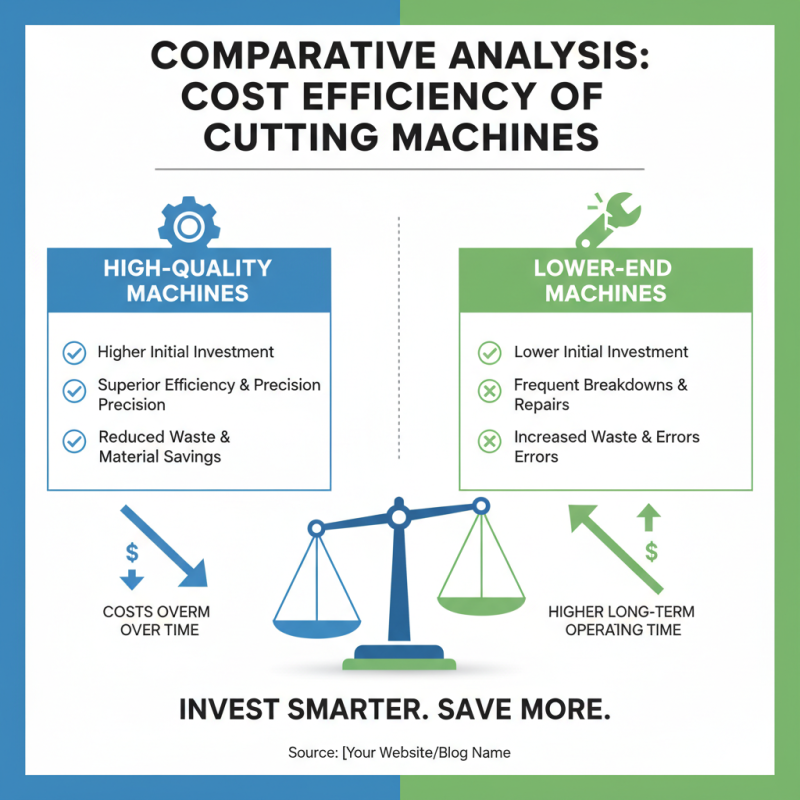
Investing in the right cutting machine can significantly affect your business's bottom line. Quality cutting machines are not just about initial cost. Over time, they can save you money through better efficiency and reduced waste. Lower-end machines might seem attractive, but they often lead to frequent repairs and additional downtime.
High-quality cutting machines typically offer more features. These machines can handle various materials and accommodate different cutting techniques. This versatility can enhance your production capabilities, allowing your business to adapt to changing demands. However, the upfront cost may deter some companies. It’s essential to consider long-term savings versus short-term expenses.
Reflecting on your company’s needs is crucial. Do you prioritize speed, precision, or material flexibility? A costly machine can seem excessive if it doesn't align with your workflow. Balancing quality and cost requires careful analysis. Understanding how cutting innovations can elevate efficiency will guide you toward making the right choice.
Latest Trends in Cutting Machine Technology and Performance Metrics
When selecting a cutting machine, understanding the latest trends in technology is crucial. Modern machines now incorporate advanced features like automatic adjustments and real-time monitoring. These enhancements significantly boost precision and efficiency. The rise of smart technology in cutting machines allows for seamless integration with software systems. Businesses can track performance metrics in real time, streamlining their operations.
Tips for choosing the right machine focus on specific needs. Consider production volume and material types. A versatile machine is beneficial for various projects. Evaluate performance metrics such as speed and accuracy. High performance may seem enticing, but it’s crucial to find a balance between speed and quality output.
Recent innovations emphasize user safety and eco-friendliness. Machines now come with features to minimize waste. It’s essential to reflect on the long-term impacts of your choice. Investing in technology should align with sustainability goals, creating a better operational future. Make sure to analyze the return on investment carefully; an expensive machine may not always yield proportional benefits.
Why Choose the Best Cutting Machine for Your Business Needs? - Latest Trends in Cutting Machine Technology and Performance Metrics
| Dimension |
Metric |
Value |
Notes |
| Cutting Speed |
Meters per Minute (m/min) |
30 - 60 |
Higher speeds increase productivity. |
| Accuracy |
Tolerance (mm) |
±0.01 |
Essential for high-precision tasks. |
| Power Consumption |
Kilowatts (kW) |
2 - 5 |
Consider energy-efficient models. |
| Weight |
Kilograms (kg) |
150 - 400 |
Weight affects mobility and installation. |
| Software Compatibility |
File Formats |
DXF, SVG, AI |
Supports various design software. |
Impact of Cutting Machine Precision on Product Quality and Waste Reduction
The precision of cutting machines significantly affects product quality. When materials are cut accurately, the final products meet design specifications. Higher precision reduces gaps and misalignments, ensuring that components fit together seamlessly. This level of quality is essential in industries like manufacturing and construction. Without it, defects may arise, leading to costly rework.
Waste reduction is another critical aspect of cutting machine precision. When cuts are made with accuracy, material waste decreases. Less waste means lower costs and a more sustainable operation. For every precision cut, there is a potential to save resources. However, achieving this level of precision can be challenging. Factors like machine calibration and operator skill play a vital role. Mistakes in setup can lead to both wasted materials and time.
Quality control is essential throughout the cutting process. Monitoring the precision of cuts can highlight areas needing improvement. Regular maintenance of machines is necessary to preserve accuracy. Operators must be trained to recognize subtle variations in cuts. It's easy to overlook minor details, but they can accumulate into significant issues. Balancing precision with speed is often a tough decision for businesses.
Impact of Cutting Machine Precision on Product Quality and Waste Reduction