How to Choose the Best Printing Machine for Your Needs?
Choosing the right printing machine is crucial for any business or personal project. A printing machine can significantly impact your productivity and quality. With so many options available, it can be overwhelming to make a decision. Factors such as print quality, speed, and cost all play significant roles.
Consider your specific needs first. What type of prints do you require? Are you focused on color accuracy or speed? Knowing your requirements is essential. Each printing machine has unique features. Some may excel in high-volume printing, while others offer versatility in media types. Do not overlook maintenance costs either.
It is vital to research the brands and models thoroughly. Look for user reviews and expert recommendations. Ensure that the printing machine you choose has a solid reputation. The right machine can save time and enhance your output quality. However, it's essential to reflect on how much you truly need. Sometimes, opting for a less expensive model may be sufficient for your tasks. Take your time to evaluate your choices.
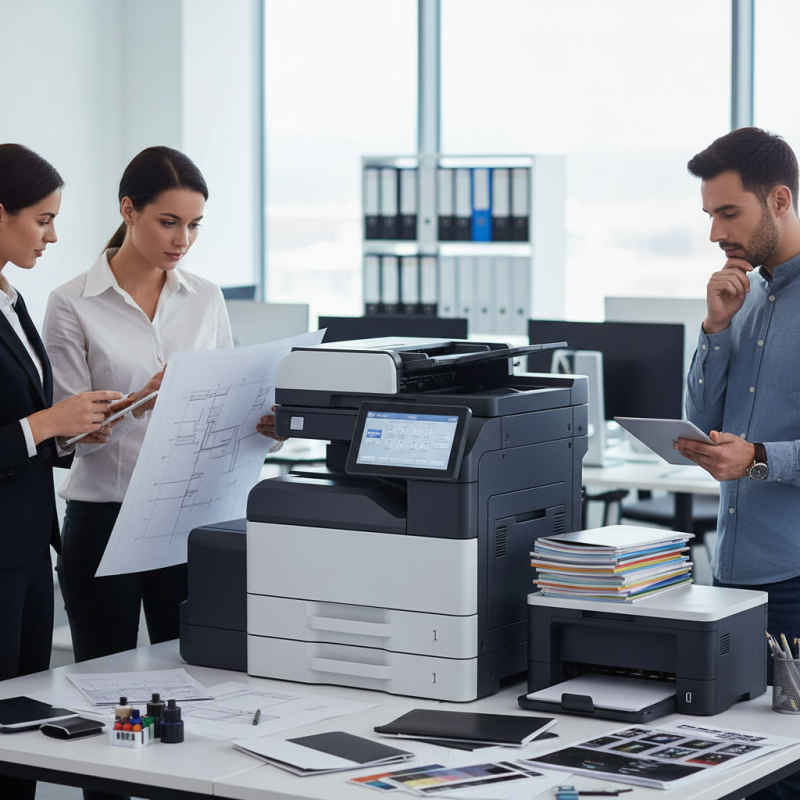
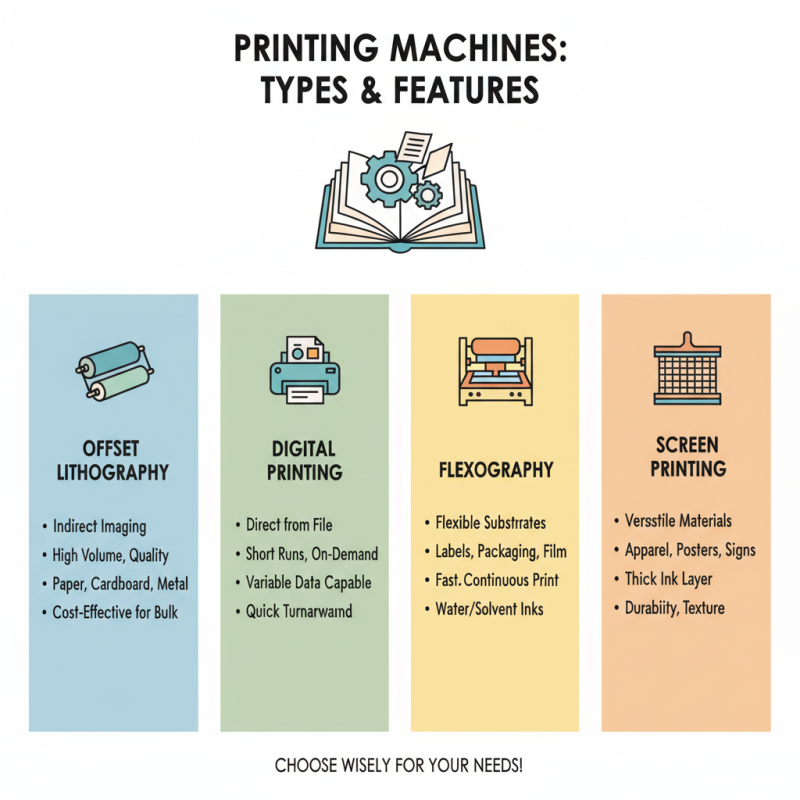
Types of Printing Machines and Their Unique Features
When selecting a printing machine, understanding the types available is essential. Inkjet printers are popular for their versatility. They work well for photos and documents. Inkjet machines produce vibrant colors but may require frequent ink replacement. Laser printers, on the other hand, excel in speed and efficiency. They are ideal for large volume printing. However, they might not deliver the same quality for images.
Tips: Consider your printing volume. If you print in large quantities, opt for laser. For occasional use, inkjet machines are sufficient. Think about the media types you need to print on. Some printers handle specialized materials better than others.
Another type includes thermal printers, typically used for labels and receipts. They provide quick print speeds with minimal setup. They might be limited in color options, which is a trade-off to consider. Finally, 3D printers are gaining popularity. They create tangible objects from digital files. While they have unique applications, they require specific expertise to operate effectively. Take your time determining what suits your needs best based on what you prioritize.
Key Factors to Consider When Choosing a Printing Machine
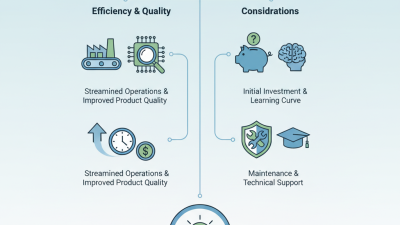
Choosing the right printing machine can significantly impact your business efficiency and output quality. It's crucial to evaluate your specific needs before making a decision. For instance, consider the volume of prints. A recent report from Smithers noted that the global digital printing market is projected to grow by 8.7% annually through 2025. This growth suggests that high-capacity printers are increasingly in demand. If your business produces large volumes regularly, investing in a high-speed unit might be wise.
Another vital factor is print quality. Factors like resolution and color fidelity are essential. According to the Printing Industries of America, 82% of customers prioritize print quality over other features. Machines that offer higher DPI settings will yield sharper images. However, you may face challenges balancing quality with speed and cost. It’s necessary to reflect on which factor will serve your business best in the long term.
Budget constraints also play a key role. Purchasing a printing machine is an investment, and maintenance costs can stack up. Industry data reveals that buyers often overlook long-term expenses, focusing solely on initial costs. Understanding the total cost of ownership is essential. Keep in mind, an expensive machine might not always be the best choice if it leads to higher operational costs. Reflection on your business goals is crucial in making a well-rounded decision.
Factors to Consider When Choosing a Printing Machine
Understanding Your Printing Volume and Frequency Needs
When selecting a printing machine, understanding your printing volume and frequency is crucial. Assess your printing needs carefully. How many pages do you print in a month? This directly impacts the type of machine you should consider. A small office printing a few hundred pages may not need an industrial-grade printer.
Frequency also plays a role. Will you print daily or just occasionally? Machines built for high-frequency use often have faster printing speeds and better durability. However, they may come with higher upfront costs. A less frequently used printer can save you money but may struggle with longevity if not used regularly.
Think about your workflow too. Are you likely to print large documents? If so, ensure your printer can handle larger paper sizes and provide high-quality prints. Consider the maintenance costs involved, as they might add up over time. A reliable printer is key, but so is balancing features with your actual print needs.
Evaluating Print Quality and Speed Requirements
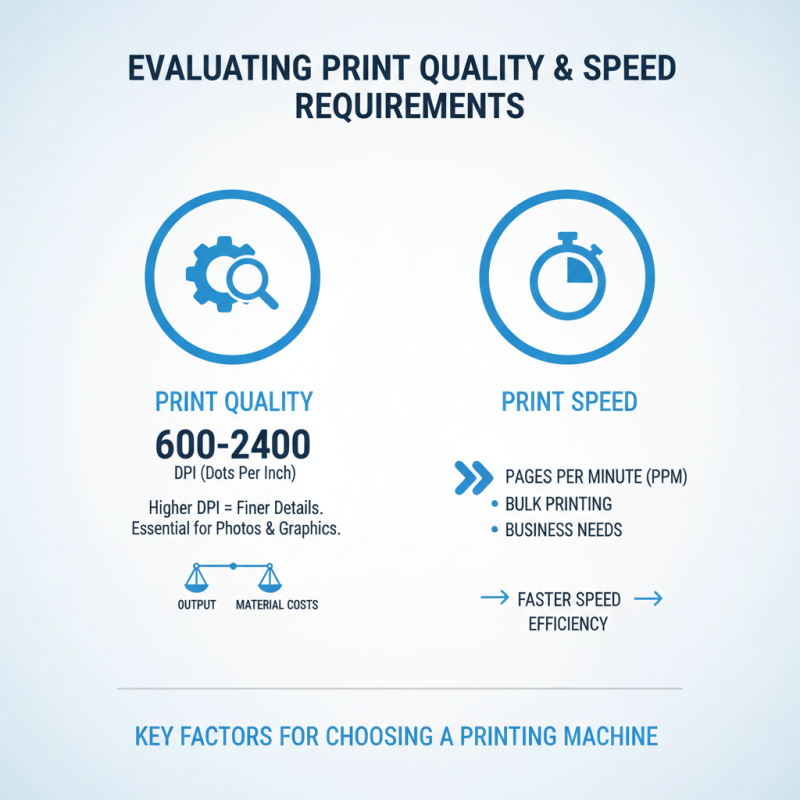
When choosing a printing machine, consider print quality and speed as key factors. Print quality is typically assessed by the resolution, measured in dots per inch (DPI). Most professional printers offer a resolution ranging from 600 to 2400 DPI. A higher DPI yields finer details, essential for tasks like photo printing or detailed graphics. The choice of DPI affects overall output and material costs.
Speed is another critical element. It’s measured in pages per minute (PPM). For example, many office printers average about 30 PPM, while high-end machines can reach 100 PPM or more. Speed directly impacts workflow efficiency. A slow printer can bottleneck productivity, particularly in busy environments. According to a study by the International Printing and Imaging Association, operational bottlenecks can lead to up to 30% increase in operational costs.
Evaluating your specific needs is vital. If high-quality images are a priority, investing in a printer with a superior DPI will be necessary. Conversely, in a fast-paced environment, where volume matters more, a higher PPM should be prioritized. Understanding these metrics, and finding the right balance will play a significant role in your satisfaction with the machine's performance.
Budget Considerations for Your Printing Machine Purchase
When considering a printing machine, budget plays a critical role. The initial investment can vary greatly depending on the technology and features you want. Recent industry reports suggest that entry-level models can cost around $200, while advanced machines may exceed $10,000. It’s essential to evaluate what features truly matter for your printing needs.
Be mindful of ongoing costs too. Supplies such as ink and paper can impact your budget significantly. For instance, a study shows that operational costs may account for up to 40% of the total expenses related to printing. Regular maintenance should be factored in. Skimping on this can lead to higher repair costs down the line.
Consider the long-term implications of your choice. Buying a cheaper machine might save you cash upfront, but it could compromise print quality or durability. You'll want to balance your initial costs with expected performance and reliability. Finding a middle ground often requires research and honest reflection on your actual needs versus wants. This thoughtful approach can lead to a more cost-effective choice.