How to Choose the Best Stamping Machine for Your Needs?
Choosing the right Stamping Machine can significantly impact your production quality. Industry expert John Smith once said, "Investing in the right equipment is crucial for success." With countless options on the market, making the right choice might seem overwhelming.
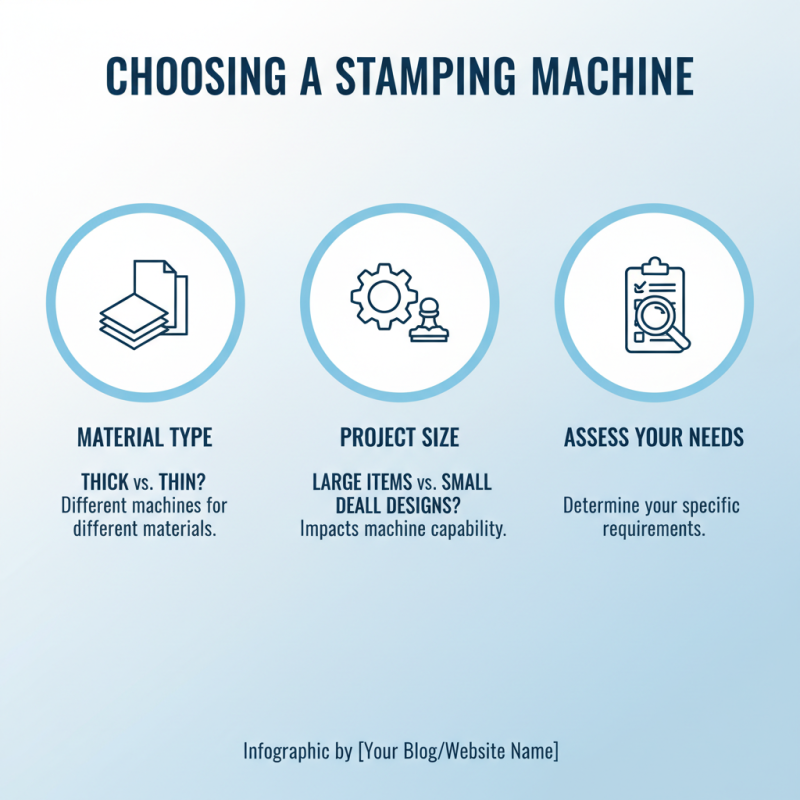
Several factors come into play. For instance, the type of material you will be stamping affects your machine choice. A heavy-duty Stamping Machine may be necessary for thicker materials. However, this can be more expensive and might require scaffolding for support. Also, think about the machine's operational speed. A faster machine could boost productivity, but could also lower precision.
Consider your specific needs and budget. It’s easy to get lost in features and specifications. Reflecting on what truly matters for your projects will lead to a more informed decision. A well-chosen Stamping Machine can enhance output but requires thoughtful consideration.
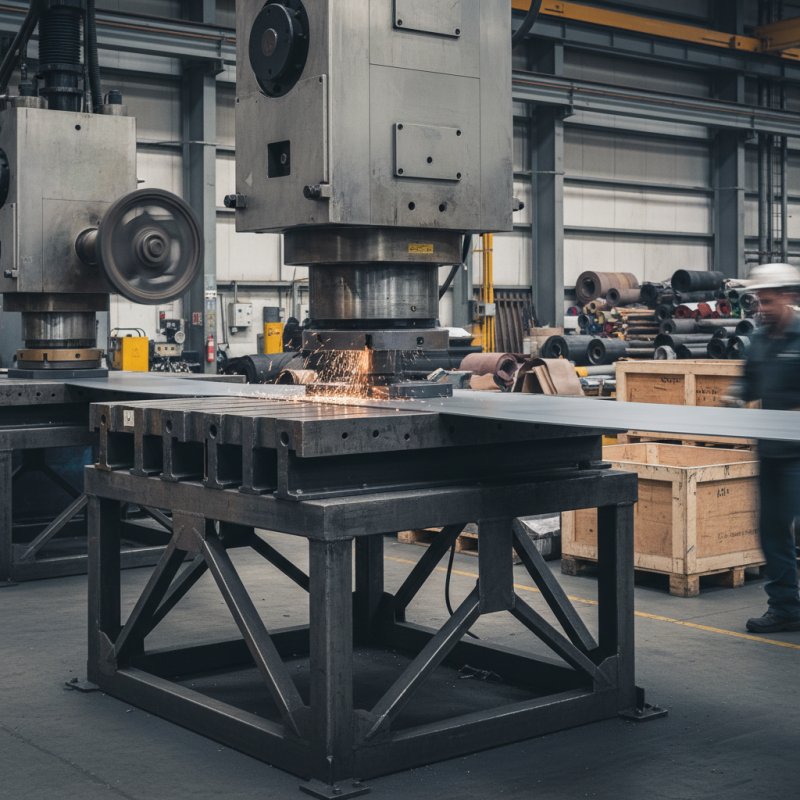
Understanding Different Types of Stamping Machines Available in the Market
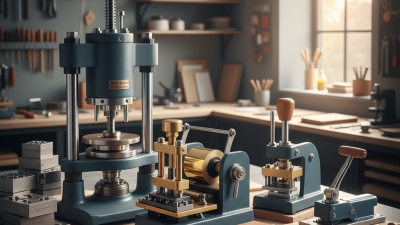
When exploring stamping machines, understanding the various types available is essential. There are manual, semi-automatic, and fully automatic machines. Manual machines are ideal for small projects. They require physical effort, which can be tiring. On the other hand, semi-automatic machines offer a balance. They reduce labor intensity but still require some manual input.
Fully automatic machines provide high efficiency. They can handle large volumes without much supervision. However, these machines are often expensive and complex. A user may feel overwhelmed by their features. It's crucial to assess your production needs. Sometimes, a simpler machine works better for smaller tasks.
Before making a decision, consider the materials you will be stamping. Different machines have varying capabilities. Some may not perform well with thicker materials. Take time to evaluate each option thoroughly. Explore both pros and cons. Time spent researching can prevent future regrets. It's essential to find a machine that fits your specific requirements.
Different Types of Stamping Machines
This chart illustrates the frequency of usage for different types of stamping machines in the market. Mechanical stamping machines are the most commonly used, followed by hydraulic and pneumatic options, while electric and manual machines are utilized less frequently.
Key Features to Look For in a Quality Stamping Machine
When selecting a stamping machine, several key features must be considered. The machine’s durability is critical. A robust design often indicates a long lifespan, reducing the need for frequent replacements. Industry reports suggest that a well-built stamping machine can last up to 10 years with proper maintenance. This can save businesses significant costs over time.
Speed is another important factor. High-speed stamping machines average around 200 to 300 strokes per minute. Such efficiency can make a big difference in production output. However, it’s crucial to ensure that higher speed does not compromise accuracy. Inaccuracy can lead to material waste and increase your total production costs.
Furthermore, flexibility is vital. A machine that can handle different materials, such as metal and plastic, increases its utility. Data shows that versatile machines are 40% more efficient, serving various production needs. Yet, users should be cautious about complexity. A machine packed with features might seem appealing, but it could become overwhelming. The right balance of features suited to your specific needs is essential for operational success.
Comparing Costs and Budget Considerations for Stamping Machines
When choosing a stamping machine, budget plays a crucial role. Understanding costs can be challenging. Prices vary widely across models and features. A basic machine may cost a few hundred dollars, while advanced models can exceed thousands. This variance is primarily due to capabilities, durability, and production speed. It’s essential to assess your needs carefully.
Think about your production goals. Will you use the machine frequently? If so, consider investing more upfront. A higher-quality machine may save you money in the long run. Alternatively, a cheaper machine could be tempting. Yet, it may lead to frustrations and extra costs later. Sometimes, the decision comes down to balancing quality with budget constraints.
Additionally, factor in ongoing costs like maintenance and supplies. A low purchase price can hide expenses that accumulate over time. Some machines require specific materials or maintenance routines. Research these elements before committing. Be mindful of potential hidden costs that could alter your calculations. It’s crucial to evaluate the total cost of ownership before making any decisions.
How to Choose the Best Stamping Machine for Your Needs? - Comparing Costs and Budget Considerations for Stamping Machines
| Machine Type |
Price Range |
Max Stamping Size (inches) |
Material Compatibility |
Ideal Use Cases |
| Manual Stamping Machine |
$200 - $500 |
3 x 5 |
Paper, Cardstock |
Crafting, Custom Invitations |
| Electric Stamping Machine |
$500 - $1,500 |
4 x 8 |
Paper, Leather, Fabric |
Mass Production, Custom Designs |
| Die-Cutting Stamping Machine |
$300 - $1,000 |
5 x 10 |
Paper, Cardstock, Soft Metals |
Crafts, Scrapbooking, DIY Projects |
| Heat Transfer Stamping Machine |
$400 - $1,200 |
12 x 15 |
Textiles, Vinyl |
Textile Printing, Apparel Customization |
| Laser Stamping Machine |
$1,500 - $5,000 |
Variable |
Wood, Acrylic, Leather, Metal |
Engraving, Custom Marking |