Die Cutting is a manufacturing process that shapes materials with custom-made blades or tooling. It can produce gaskets, labels, insulation layers, adhesive parts, and protective pads. For global buyers, the process is more than a simple cutting operation. Material thickness, edge quality, dimensional tolerance, and production volume all affect the final result. A part may look simple. Small changes matter.
A reliable evaluation starts with clear technical drawings and realistic performance requirements. Buyers should confirm the substrate, adhesive type, thickness range, tolerance, and expected service conditions. Request material certificates and measured samples when applicable. Ask how the supplier controls blade wear, waste, registration, and batch consistency. Tooling design also deserves attention. Rotary Die Cutting may suit high-volume orders, while flatbed tooling can offer flexibility for prototypes or smaller batches. These choices affect cost, lead time, and repeatability. Not every supplier explains them clearly.
Experienced sourcing teams compare first-article samples with approved drawings before placing large orders. They review inspection records, packaging methods, labeling, and traceability. A clean box is not proof of reliable quality. Clarify inspection methods and acceptance limits in writing. When suppliers explain their process openly, they show stronger technical confidence and accountability. Still, no guide replaces practical testing. Materials can behave differently after shipping, storage, or temperature changes. That is an easy detail to overlook. A strong global purchasing decision balances engineering evidence, supplier experience, communication, and total landed cost. This guide examines each factor, helping buyers approach Die Cutting with fewer assumptions and better questions.
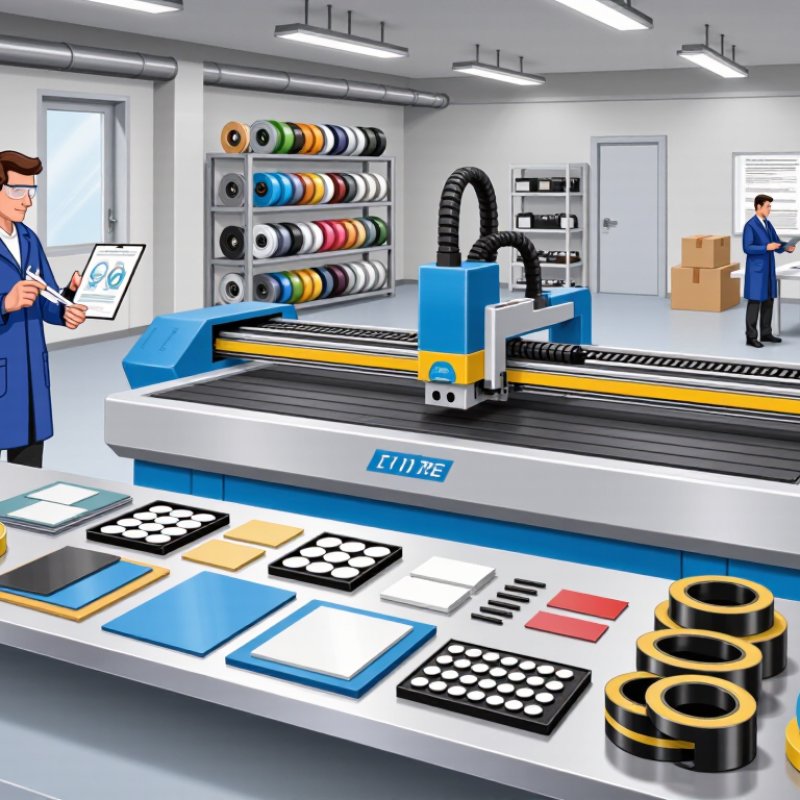
Die cutting is a controlled manufacturing process that shapes paperboard, film, foam, or adhesive materials. A custom-made die uses sharp blades to cut, crease, perforate, or emboss a sheet. The process starts with approved artwork and a cutting layout. Operators then select the material, die type, pressure, and machine speed.
Flatbed machines suit short runs and thicker boards. Rotary machines support continuous, high-volume production.
During production, the die presses through the material against a prepared surface. Waste areas are removed during stripping.
Finished pieces then receive visual and dimensional inspection. Critical checks include cut depth, crease position, edge quality, and registration.
According to Smithers’ The Future of Global Packaging to 2028, the worldwide packaging market is expected to exceed 1.2 trillion US dollars by 2028. This growth increases demand for efficient converting and dependable die accuracy.
However, speed alone is not enough. Poor pressure settings can crush folds or leave incomplete cuts.
Tips:
Ask for a physical sample before approving mass production. Confirm material thickness and grain direction. Check tolerances on the drawing, not only on the screen.
The first sample is rarely perfect. That is normal. Review waste stripping carefully, because small scraps can stop automated packing lines.
A practical test should include folded, stacked, and transported samples. Some specifications look correct digitally but fail during handling. That gap needs honest review.
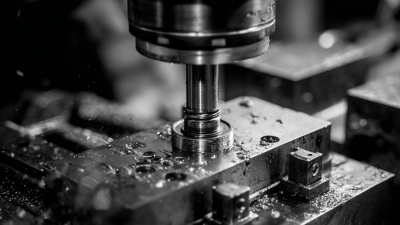
Global buyers usually compare three methods: rotary, flatbed, and laser die cutting.
Rotary systems use engraved cylinders and run continuously. They suit high-volume labels, cartons, tapes, and thin films.
Flatbed presses use a steel-rule die on a reciprocating platen. They offer flexible prototypes and short-to-medium production runs.
Laser systems remove material digitally, without a physical die. They work well for intricate patterns, rapid design changes, and customized packaging.
According to Smithers’ The Future of Global Packaging to 2028, the worldwide packaging market was valued at approximately $1.2 trillion in 2023. That scale supports continued investment in automated converting equipment. Grand View Research also reports that the die cutting machine market is expected to grow at more than 5% annually during the forecast period.
These figures indicate demand, not guaranteed savings. Rotary machines can reduce unit costs, but tooling and setup may be expensive. Flatbed equipment is slower. Laser cutting can leave heat marks on sensitive materials.
Tips: Match the machine to volume, material, tolerance, and changeover frequency. Ask for sample cuts using your actual substrate. Check edge quality under magnification. A clean first sample can still hide waste during long production runs. This choice is rarely perfect. Recheck the assumptions.
Die cutting works across paperboard, corrugated fiberboard, films, foam, rubber, felt, and thin laminates. Each material behaves differently under pressure. Paperboard produces crisp cartons, hang tags, dividers, and display inserts. Corrugated sheets suit shipping partitions and protective fitments. Films create labels, seals, windows, and flexible overlays. Foam and felt add cushioning or sound control. Thin rubber sheets support gaskets and vibration pads.
Shape matters as much as material. Common profiles include circles, ovals, tabs, slots, vents, finger holes, and irregular brand-independent silhouettes. Complex outlines are possible, but narrow bridges can tear during stripping. Sharp internal corners may also concentrate stress. A 1.5-millimeter corner radius can improve release, although the correct value depends on thickness and hardness. Small details need testing.
Industry data supports the scale of these applications. The FAO’s 2023 Global Forest Products Facts and Figures report recorded approximately 417 million tonnes of global paper and paperboard production in 2022. Smithers’ paper and board market analysis forecasts continued packaging growth through 2028, with recycled fiber remaining important. That does not make every recycled sheet easy to cut. Moisture, grain direction, coating, and compression strength can change the result. Buyers should request samples, tolerance drawings, and material certificates before approving tooling. I have found that a visually simple shape can create the highest scrap rate.ETwitter
| Material Category | Typical Material Examples | Common Thickness Range* | Suitable Die-Cut Shapes | Typical Products | Key Buying Considerations |
|---|---|---|---|---|---|
| Paper and Paperboard | Cardstock, kraft paper, corrugated board, coated paper | Approximately 0.1–4 mm | Rectangles, circles, tabs, windows, folding outlines, custom contours | Packaging inserts, labels, cartons, presentation folders, hang tags | Grain direction, print registration, folding score quality, edge cleanliness |
| Films and Flexible Plastics | PET, BOPP, PVC, polyethylene, polypropylene | Approximately 0.02–1 mm | Small labels, narrow strips, apertures, irregular profiles, kiss-cut shapes | Labels, protective films, overlays, pouches, packaging components | Stretch, static, curl, layer separation, release liner compatibility |
| Foams | Polyurethane foam, polyethylene foam, EVA foam, neoprene foam | Approximately 0.5–25 mm | Gaskets, rings, plugs, channels, protective profiles, layered contours | Cushioning pads, seals, spacers, packaging inserts, vibration-control parts | Compression recovery, cell structure, density, edge compression, adhesive lamination |
| Rubber and Elastomers | Silicone rubber, EPDM, nitrile rubber, neoprene, natural rubber | Approximately 0.25–6 mm | O-rings, washers, diaphragms, gaskets, strips, custom sealing profiles | Sealing components, insulation pads, valve parts, protective covers | Hardness, compression set, temperature resistance, chemical compatibility |
| Adhesive Materials | Double-sided tape, transfer adhesive, foam adhesive, adhesive-backed film | Approximately 0.05–3 mm, excluding liner | Dots, rings, tabs, strips, frames, full-face shapes, peelable components | Mounting pads, cable-management parts, nameplates, bonding gaskets | Adhesion level, liner release force, die-cut depth, residue, storage conditions |
| Electrical Insulation Materials | Polyester film, polyimide film, electrical paper, fish paper, mica sheet | Approximately 0.025–2 mm | Insulating washers, slots, barriers, shields, terminal covers, custom cutouts | Motor insulation, battery components, circuit protection, transformer parts | Dielectric strength, temperature class, flame behavior, dimensional stability |
| Textiles and Nonwovens | Felt, polyester nonwoven, cotton fabric, fiberglass cloth, filter media | Approximately 0.2–10 mm | Discs, pads, filters, strips, irregular panels, layered inserts | Filtration parts, polishing pads, sound absorbers, protective liners | Fraying, fiber orientation, compression, contamination control, edge stability |
| Thin Metals and Foils | Aluminum foil, copper foil, stainless steel shim, metalized film | Approximately 0.01–0.5 mm | Shims, tabs, shields, washers, spacers, conductive patterns | EMI shielding parts, battery components, heat-spreading layers, precision shims | Material temper, burr control, flatness, electrical conductivity, handling safety |
*Thickness ranges are indicative and depend on material hardness, density, tooling, press capacity, part geometry, and required production tolerance.
How Should Global Buyers Choose a Die Cutting Supplier?
A reliable die cutting supplier should prove process control, not only offer a low quote. Ask for samples using your actual material, thickness, adhesive, and artwork. Inspect edge burrs, crushed layers, liner damage, and registration accuracy. Request dimensional records, inspection methods, and acceptable tolerance ranges. A supplier with documented corrective actions is usually safer than one promising “zero defects.” That promise sounds attractive, but manufacturing is never perfectly predictable.
The Future of Die-Cut Packaging to 2028 report identifies shorter runs, complex shapes, and changing substrates as major market pressures. These demands require flexible tooling and experienced operators. Also, ISO Survey 2022 recorded 1,265,216 ISO 9001 certificates worldwide. Certification does not prove die cutting skill. It does show whether a supplier maintains a recognized quality system. Buyers should check certificate scope, audit dates, and production records. A certificate alone is not enough.
Tips: Compare total cost, not unit price. Include tooling, setup waste, inspection, packaging, freight, and replacement lead time. Ask how the supplier manages die wear after repeated cycles. Confirm communication hours, export documents, and escalation contacts. Approve a pilot batch before a large order. Small samples reveal large problems. Buyers should also test storage conditions and temperature exposure, because a clean die cut can still fail during shipment. My own view is cautious: remote audits save time, but they cannot fully replace an on-site process review.
How should global buyers choose a die cutting supplier? The evaluation model below prioritizes the factors that typically affect production quality, total cost, and supply-chain reliability. The percentages are a practical procurement weighting model rather than data from any specific company or brand.
Quality capability and dimensional consistency should be assessed first, followed by material compatibility, tooling and setup costs, delivery performance, quality documentation, and production scalability.
When evaluating a die-cutting supplier, inspect quality beyond the first sample. Quality begins with stable material thickness, accurate dimensions, and clean edges. Ask for tolerance data, inspection records, and sample pieces from recent production. Check adhesive coverage, liner alignment, and waste around each shape. A clean edge matters. Do not rely only on photographs, because lighting can hide small burrs or lifting corners. Experienced buyers often test parts after heat, pressure, or repeated handling.
Cost is more than the quoted unit price. Request a clear breakdown for tooling, setup, materials, packing, and inspection. Tooling charges may be reasonable for large volumes but expensive for short runs. Ask how material waste is calculated. A low unit price can conceal high mold costs or costly rework. Compare quotes using the same specifications, including thickness, tolerance, order quantity, and delivery terms. I have seen estimates change after one missing dimension was clarified.
Shipping can affect the final price sharply. Confirm production lead time, packing dimensions, carton strength, and moisture protection. Ask whether the shipment uses air or sea freight, and check dimensional weight before approval. Provide accurate consignee and customs information to reduce delays. Build a small schedule buffer. Global shipments rarely move perfectly. One practical lesson is to request photos of packed cartons before dispatch. Some buyers focus heavily on manufacturing cost and overlook damaged corners during transit. That small gap can erase an otherwise strong saving.