What is a Foil Embossing Machine and How Does it Work?
The Foil Embossing Machine is a fascinating tool used in various industries. It combines elegance with creativity, providing beautiful designs to paper and other materials. This machine thrives on heat and pressure, which brings foil to life, creating striking visuals.
When starting a project, understanding how the Foil Embossing Machine works is crucial. It involves a careful process of applying foil onto surfaces through specific dies. The machine heats the foil, embedding it into the material, resulting in unique patterns. Many businesses utilize this technique to enhance branding and packaging.
However, mastering this technology requires practice and skill. Mistakes can happen, like misalignment or incorrect temperature settings. These setbacks prompt reflection and improvement. Embracing such challenges is vital for anyone working with a Foil Embossing Machine.
What is a Foil Embossing Machine? An Overview of Its Functionality
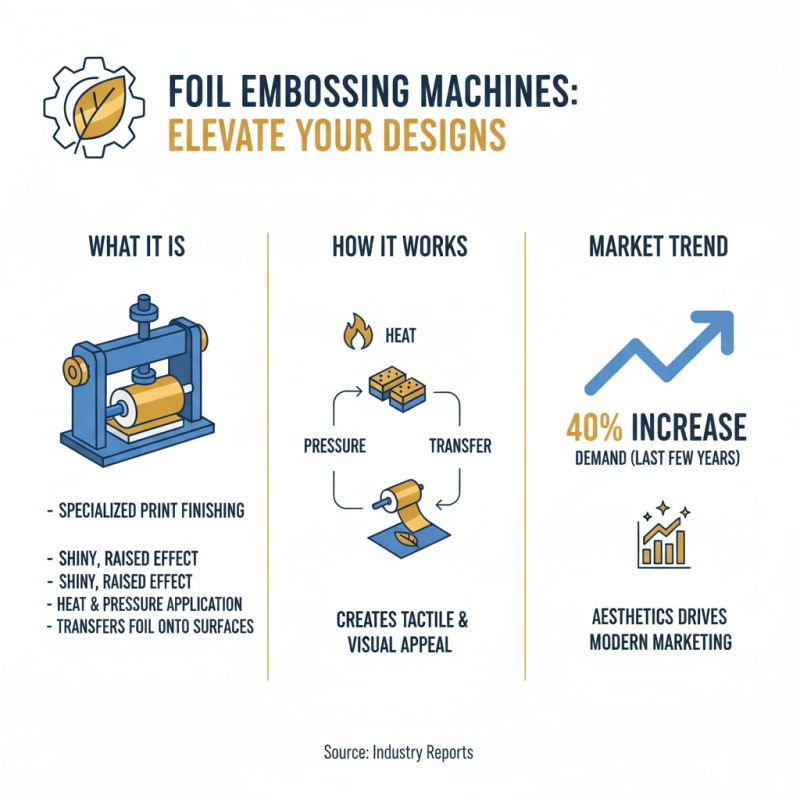
A foil embossing machine is a specialized device used in print finishing. It creates a shiny, raised effect on materials. This process combines heat and pressure to transfer foil onto surfaces. The result is an eye-catching design that enhances the visual appeal of products. Reports indicate that the demand for foil embellishments has increased by 40% in recent years. This highlights the importance of aesthetics in today's marketing.
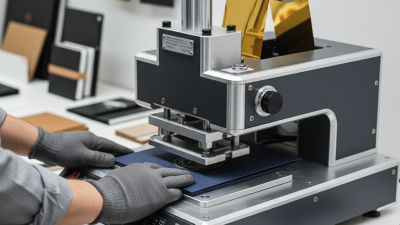
These machines operate by using a heated die. The die presses the foil onto the substrate, usually paper or cardboard. The heat activates a bonding agent between the foil and the material. The outcome is not just decorative but functional. Packaging and branding benefit from this technology, helping to differentiate products on the shelf. Interestingly, some operators note that achieving the perfect foil application requires practice. It often involves trial and error to find the right pressure and temperature settings.
While many businesses invest in foil embossing for enhanced branding, challenges remain. For example, inconsistent quality can arise from improper setup. Additionally, the machine's maintenance needs to be regular to ensure optimal performance. Data suggests that 30% of users experience issues with foil adherence, pointing to the need for skill and attention to detail in the craft. The interplay of these factors makes foil embossing both an art and a science.
The Technological Components of a Foil Embossing Machine Explained
Foil embossing machines are sophisticated devices used in various printing processes. They elevate the aesthetics of printed materials by adding metallic foil to a surface. This process involves a delicate interplay of heat, pressure, and precise timing. The technology behind these machines includes heated plates and rollers that generate the necessary conditions for the foil to adhere to the substrate.
A notable component is the heating element, which must reach specific temperatures to activate the adhesive properties of the foil. Industry reports indicate that proper temperature control plays a crucial role in achieving quality results. If the temperature is too low, the foil won’t stick. Conversely, excessive heat can damage the underlying material.
Tip: Regular calibration of the temperature settings can improve the efficiency of the embossing process.
Another key aspect is the pressure mechanism. It applies even pressure across the material to ensure consistent foil adhesion. Any inconsistencies in pressure can lead to imperfect results or wasted materials. Research shows that around 30% of embossing errors are linked to uneven pressure distribution.
Tip: Consider testing different pressure levels to find the optimal setting for your specific materials.
While foil embossing enhances visual appeal, mastering the machine's components requires practice. Understanding each part's role helps producers avoid common pitfalls and produces stunning outputs.
Foil Embossing Machine Components Analysis
How Foil Embossing Works: The Process and Its Applications
Foil embossing is a fascinating process used in many industries. It combines both the art of printing and the science of heat transfer. The process involves applying a metallic foil onto a substrate, such as paper or cardboard. A foil embossing machine plays a crucial role in this transformation. It uses heat and pressure to bond the foil to the material. According to industry reports, the global foil packaging market alone is expected to reach $450 billion by 2026. This highlights the growing demand for decorative finishing techniques like foil embossing.
The applications of foil embossing are diverse. It's commonly used in packaging, labels, and stationery. The shiny finish adds a touch of elegance, attracting consumers’ attention. However, not all substrates work well with foil embossing. Some materials may not adhere properly, leading to poor results. Some operators report inconsistent outcomes, which can be frustrating. Observing the temperature and pressure settings is vital. Small adjustments can make a significant difference.
Foil embossing also enables endless creative possibilities. Designers can experiment with colors, textures, and patterns. Yet, the process demands a level of expertise. There are learning curves involved, which can slow down production. Some businesses may find it challenging to integrate foil embossing into their workflow. Despite its complexities, the results are often worth it. The beauty and uniqueness of foil embossed items can elevate a brand's identity.
Industry Standards: Key Metrics for Foil Embossing Efficiency
Foil embossing machines are essential in various industries.
These machines provide unique textures and finishes to printed materials. Their efficiency greatly impacts
production timelines and costs. To achieve high-quality results, operators should focus on
specific industry standards.
Key metrics for foil embossing include temperature,
pressure, and speed. Maintaining optimal
temperature is vital. Overheating can damage materials. Meanwhile, pressure must be consistent.
Fluctuations may lead to uneven designs. Speed, too, plays a significant role. If the machine runs too fast,
it could compromise quality. Operators should regularly calibrate their machines to meet these standards.
Tips: Always double-check the material before starting. This helps avoid costly mistakes.
Additionally, keep an eye on the pressure gauges. This can prevent many common errors. Regular maintenance of the machine
will ensure it runs smoothly. Notice any unusual sounds or resistance when operating. These signs should not be ignored.
They could indicate a deeper issue.
Market Trends: Growth Rate and Demand for Foil Embossing Technology
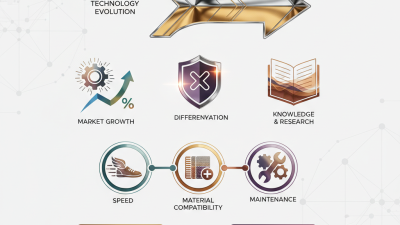
The foil embossing technology is experiencing significant growth in various industries. This technique adds a refined touch to printed materials and packaging. Recent trends indicate a rising demand for unique and attractive designs. Many businesses aim to differentiate their products, making foil embossing increasingly popular.
Several factors drive this market growth. There’s a growing preference for premium packaging. Consumers often respond positively to aesthetically pleasing designs. As a result, more companies are investing in foil embossing machines to enhance their offerings. Additionally, the rise of e-commerce means businesses seek packaging solutions that stand out online.
However, some challenges persist in this market. Deploying foil embossing can be costly. Smaller businesses may struggle to justify the investment. The technology also requires skilled operators, complicating its implementation. Some companies have reported difficulties in finding trained personnel. Despite these issues, the demand for foil embossing is likely to persist as brands continue to pursue exquisite visual elements in their products.
Foil Embossing Machine Data Overview
| Dimension |
Value |
| Market Size (2023) |
$2.45 Billion |
| Estimated Growth Rate (CAGR 2023-2028) |
6.5% |
| Major Application Areas |
Packaging, Stationery, Labels |
| Key Trends |
Sustainability in Materials, Automation |
| Regions with Highest Demand |
North America, Europe, Asia-Pacific |
| Technological Innovations |
Digital Foil Printing, Automated Processes |