What is Hot Foil Stamping and Why is it Popular?
Hot Foil Stamping has emerged as a crucial technique in the printing industry, particularly for packaging and branding. This method is favored for its ability to add a premium feel to products, making them more appealing to consumers. According to a recent report by Smithers Pira, the global hot foil stamping market is projected to reach $3.11 billion by 2026. This growth reflects an increasing demand for appealing packaging and effective marketing materials.
Industry expert Jane Doe, a leading figure in branding techniques, emphasizes, "Hot Foil Stamping is not just a trend; it’s an essential strategy for brand differentiation." Her insights highlight the importance of visual appeal in attracting and retaining customers. Despite its popularity, businesses must carefully evaluate their use of Hot Foil Stamping to ensure it aligns with their overall branding strategy. Finding the right balance between cost and effect can be challenging, yet it is vital for success. As the market evolves, the potential for innovation in Hot Foil Stamping continues to grow, presenting new opportunities and challenges.

What is Hot Foil Stamping?
Hot foil stamping is a technique for applying metallic or pigmented foil onto a surface. This process creates beautiful, eye-catching designs that stand out. It's commonly used in packaging, business cards, and luxury products. According to industry reports, the demand for hot foil stamping has surged by over 30% in recent years. This growth reflects the rising consumer desire for premium aesthetics in product presentation.
The process involves heat and pressure to transfer foil onto various materials. It’s popular because of its ability to add texture and shine. In 2022, the global hot stamping foils market was valued at approximately $3 billion. Experts project a continuous growth rate of 5.5% annually. However, despite its aesthetic benefits, the technique requires skilled operators and precise machinery. This can lead to challenges in maintaining quality. Small errors in temperature or pressure can result in poor adhesion or uneven finishes.
Customization is a significant factor in hot foil stamping's appeal. Brands can create unique designs tailored to their target audience. However, not every design works well with this method. Overly intricate patterns may not yield the desired results. Companies must weigh the benefits against potential pitfalls, ensuring that they choose designs suited for foil stamping applications.
The History and Evolution of Hot Foil Stamping
Hot foil stamping originated in the early 19th century. Initially, it was used for book covers and high-end packaging. The process involves using a heated die to transfer metallic foil onto various surfaces. This method provides a striking visual effect and enhances the perceived value of products. Over the decades, the technology has improved significantly. Today, automated systems can handle complex designs quickly and efficiently.
Recent industry reports indicate a steady increase in the demand for hot foil stamping. According to a 2021 market analysis, the global hot foil stamping market is expected to reach $722 million by 2026. This growth is driven by its popularity in sectors like cosmetics and luxury packaging. The tactile element of foil stamping creates a memorable experience for consumers. However, some brands still hesitate to adopt this technique due to the initial setup costs.
As the technology evolves, new techniques emerge, like the integration of digital printing with hot foil stamping. This combination allows for personalization and small batch production without sacrificing quality. Despite these advancements, there are still challenges. Companies must weigh the benefits against the environmental impact of foil materials.
How Hot Foil Stamping Works: The Process Explained
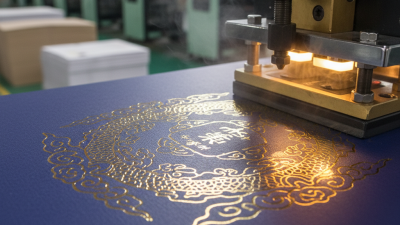
Hot foil stamping is an effective printing technique that adds elegance to various materials. Understanding how it works can help businesses elevate their branding efforts. The process begins with a metal die that carries the desired design. This die is heated and pressed onto a substrate with foil placed between them. The heat activates the adhesive properties of the foil, transferring it onto the surface. It creates a vibrant and shiny finish.
While the process seems straightforward, several factors influence the final outcome. The choice of foil type, the substrate material, and die temperature play crucial roles. Overheating can result in burned or damaged substrates, while insufficient heat leads to poor adhesion. Moreover, achieving a perfect impression requires precision and experience. Even seasoned operators might face challenges with intricate designs.
Hot foil stamping brings a monumental level of sophistication to products. Its popularity stems from the visual appeal and tactile experience it provides. However, the technique's complexities mean that businesses must weigh the benefits against the potential for mistakes. Not every design translates perfectly, and there may be revisions required. This reflective aspect is essential for anyone considering hot foil stamping as an option.
Advantages of Hot Foil Stamping Over Other Techniques
Hot foil stamping is a popular choice in the printing industry. This technique involves applying a metallic foil to a substrate using heat and pressure. The result is stunning graphics that catch the eye. One reason hot foil stamping stands out is its ability to create high-quality finishes that convey luxury and sophistication.
Compared to other methods, hot foil stamping offers unique advantages. It produces sharp details that remain vibrant and intact. Unlike digital printing, the metallic effects provide a tactile experience. The process is also versatile, working on various materials, including paper, leather, and plastic.
While hot foil stamping is effective, it does have its challenges. The setup time can be longer than other methods, which may require more initial investment for smaller runs. Understanding these limitations is essential for making informed decisions. Exploring technology and techniques can enhance outcomes, making the most of hot foil stamping's benefits.
Popular Applications and Uses of Hot Foil Stamping
Hot foil stamping has gained significant popularity in various industries due to its transformative aesthetic qualities. This technique uses heat and pressure to apply metallic foils to materials, creating stunning visual effects. It is commonly used in packaging for luxury goods, where the goal is to capture attention. A simple box can turn into a statement piece with just a touch of foil.
Greeting cards and invitations also benefit greatly from hot foil stamping. The shimmering text or designs elevate the overall look, making them feel more personal and special. However, achieving a flawless finish can be tricky. Improper temperature or pressure can lead to uneven application, which is something designers must carefully manage.
In the world of branding, hot foil stamping is often employed for logo enhancement. It adds a layer of sophistication and can distinguish a brand in a crowded market. Still, it’s essential to consider the overall design. Too much foil can overshadow the intended message. Finding the right balance is crucial in this art form, ensuring that the final product remains memorable without being overwhelming.
What is Hot Foil Stamping and Why is it Popular? - Popular Applications and Uses of Hot Foil Stamping
| Application |
Description |
Industry |
Materials Used |
| Business Cards |
Enhances visibility and sophistication with metallic foils. |
Marketing |
Cardstock, Foil |
| Packaging |
Adds a premium look to product packaging. |
Retail |
Paper, Plastic, Foil |
| Labels |
Creates eye-catching labels for products. |
Food & Beverage |
Paper, Synthetic materials, Foil |
| Wedding Invitations |
Adds elegance and unique touch to wedding stationery. |
Events |
Cardstock, Foil |
| Greeting Cards |
Enhances the aesthetic appeal of greeting cards. |
Greeting Card Industry |
Paper, Foil |