What is a Hot Foil Stamping Machine and How Does It Work?
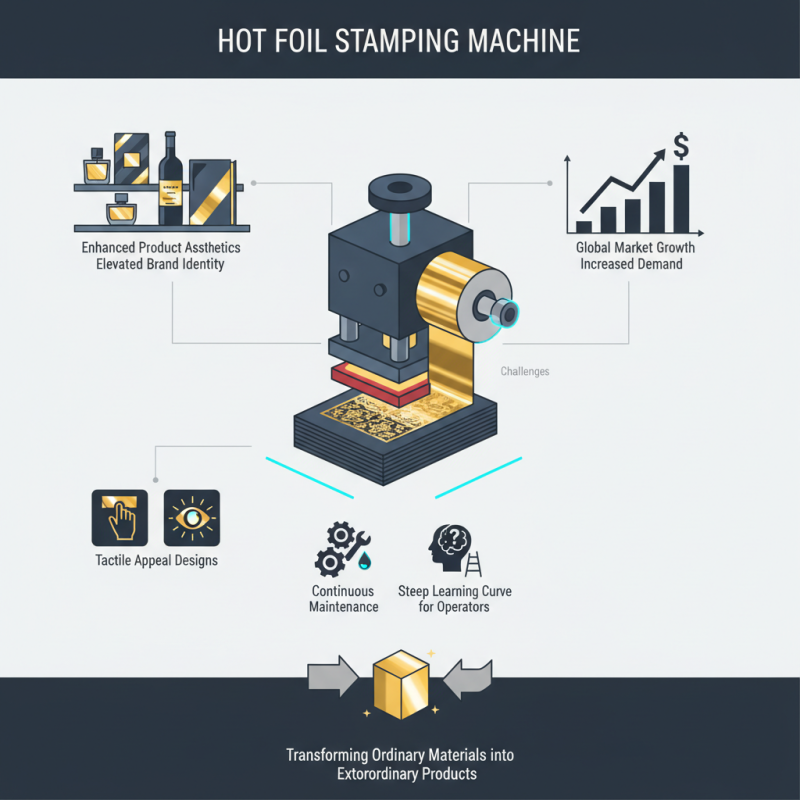
In the world of printing and packaging, the Hot Foil Stamping Machine is an essential tool. This machine offers unique capabilities, enhancing product aesthetics and elevating brand identity. According to a recent industry report, the global hot stamping market is projected to reach $3.5 billion by 2025, indicating a growing demand.
Using heat and pressure, a Hot Foil Stamping Machine transfers metallic or pigmented foil onto surfaces. This process results in vibrant and eye-catching designs that stand out in retail. In a competitive market, effective branding is vital. Foil stamping not only enhances visual appeal but also adds a tactile element that engages consumers.
However, the technology has its challenges. Continuous maintenance is required to ensure the machinery operates efficiently. Additionally, there can be a steep learning curve for operators. Despite these hurdles, the potential for transforming ordinary materials into extraordinary products makes the Hot Foil Stamping Machine worth considering for businesses looking to improve their presentation.
Definition and Overview of Hot Foil Stamping Machines
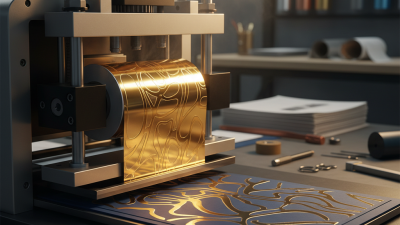
Hot foil stamping machines are versatile tools used in various industries. Their primary function is to apply metallic or pigment foil onto a substrate. This process creates a striking visual effect, enhancing product appeal. The machine uses heat and pressure to transfer the foil, leaving behind a shiny design.
The process starts with a heated die that presses the foil against the material. The temperature is crucial. Too low may not work, and too high could damage the material. Foil comes in various colors, offering diverse options. However, selecting the right kind can be challenging. Each foil has unique characteristics. Testing different foils is often necessary to achieve the desired effect.
Despite their effectiveness, hot foil stamping machines have limitations. They may require frequent maintenance. Some operators find the learning curve steep. It's essential to practice to master the technique. Mistakes can happen, and they often lead to waste. Understanding the machine's nuances is key to success.
Key Components of a Hot Foil Stamping Machine
Hot foil stamping machines have become essential in the printing and packaging industries. They use a unique technique to apply metallic or pigment foil onto a substrate. Understanding their key components is important for optimizing performance.
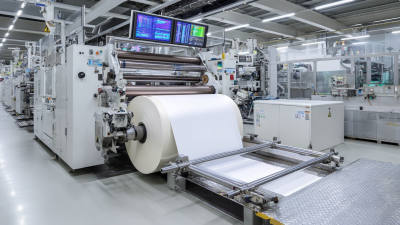
The main part of a hot foil stamping machine is the heating element. This component heats the metal dies to a specific temperature. The foil adheres to the substrate when pressed together. Another vital component is the foil feeder, which supplies the material precisely and evenly. A reliable feeder minimizes waste and increases efficiency. The pressure system is also crucial; it ensures uniform application across the printed surface.
Tips: Regular maintenance of the heating element can prevent uneven foil application. Inspect the foil feeder for jams regularly. It’s a good practice to experiment with different foils to find the best match for your project needs.
Understanding these components can highlight areas for improvement. For example, keep an eye on foil usage. Excessive consumption may indicate an issue with the pressure system. By addressing these imperfections, you can enhance the overall quality of your stamped products. Industry reports show that machinery upgrades can increase output efficiency by up to 20%.
What is a Hot Foil Stamping Machine and How Does It Work? - Key Components of a Hot Foil Stamping Machine
| Component |
Description |
Function |
| Heating Element |
Used to heat the foil and die |
Transfers heat to the foil for stamping |
| Foil Roll |
A roll of metallic or colored foil |
Provides the material for decoration |
| Die |
A stamp with a specific design or text |
Imprints design onto the material |
| Pressure Mechanism |
System to apply pressure during stamping |
Ensures proper adhesion of foil to substrate |
| Control Panel |
User interface for adjusting settings |
Controls temperature, speed, and pressure |
How Hot Foil Stamping Works: The Process Explained
Hot foil stamping is a fascinating process that adds a touch of elegance to various materials. It involves transferring metallic or pigmented foil onto a surface via heat and pressure. The result is a shiny, vibrant effect that enhances the visual appeal of printed items.
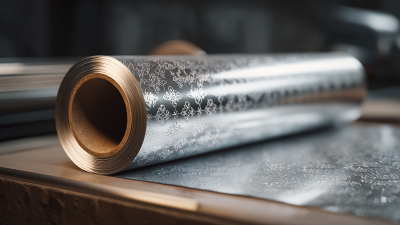
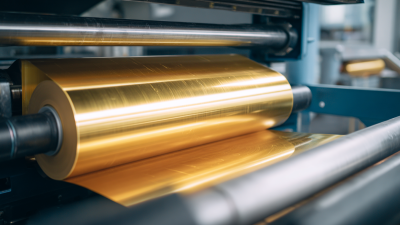
To understand the process, let’s break it down. A metallic foil roll is placed on a machine. The design often starts with a heated plate. This plate gets hot, much like an iron. When the foil and substrate meet the heated plate, the foil bonds to the substrate, creating a stunning result. The choice of foil can vary, from gold to silver, and even holographic designs, allowing for creative freedom.
However, achieving perfect results isn't always guaranteed. Inconsistent pressure can lead to uneven application. Too much heat can burn the material, while too little may result in incomplete adhesion. Each step of the process requires precision and care. It's a skill that takes practice. Improper setups can lead to waste, and mistakes might be part of the learning curve. Still, the outcome can be breathtaking when done right. Each piece tells a story, and there's beauty in the imperfections too.
Applications and Uses of Hot Foil Stamping in Various Industries
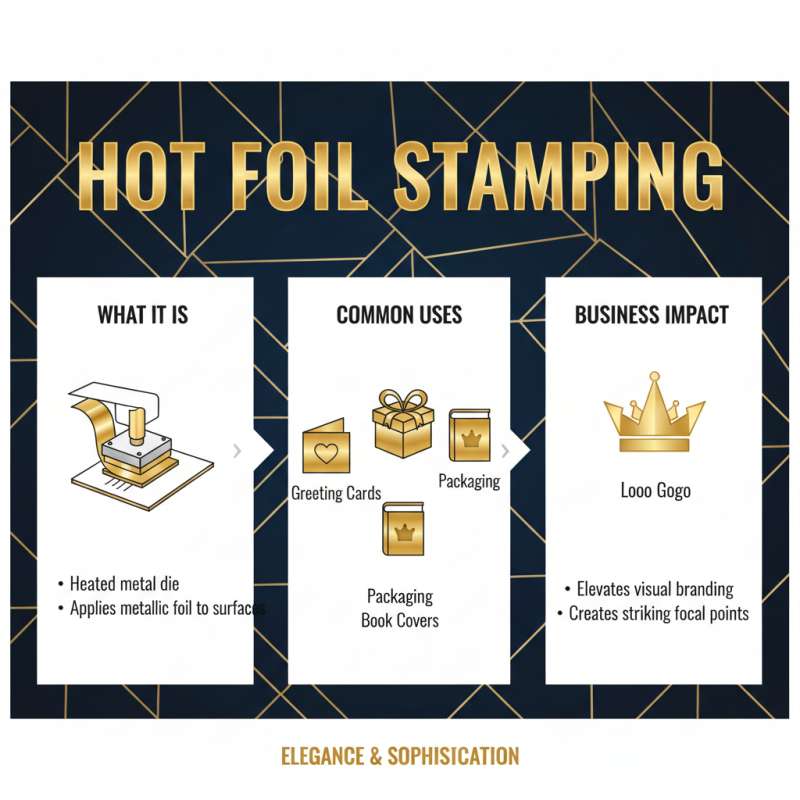
Hot foil stamping is widely used across various industries, giving products a touch of elegance and sophistication. This technique uses heated metal dies to apply metallic foil onto surfaces. It creates eye-catching designs on items such as greeting cards, packaging, and book covers. Many businesses leverage this method to enhance their visual branding. For instance, a simple logo can transform into a striking focal point.
In the fashion industry, hot foil stamping is often seen on labels and tags. It adds a luxurious feel, making products stand out in a crowded market. Packaging for cosmetics frequently uses this technique to attract consumers. The shine of the foil can evoke feelings of high quality. However, not all designs fit the foil method. Poorly planned designs can result in lackluster outcomes.
The food industry also embraces hot foil stamping. Labels on gourmet products often feature metallic elements. These elements suggest premium quality and can influence purchasing decisions. Still, careful consideration is necessary. If the foil does not adhere correctly, it can lead to smudging. This defect can be frustrating for manufacturers. Attention to detail is essential for achieving the best results in foil application.
Advantages and Disadvantages of Hot Foil Stamping Technology
Hot foil stamping technology has gained popularity in the printing industry. It involves transferring metallic or pigmented foil onto a substrate. The process uses heat and pressure, resulting in vibrant and shiny designs. However, it presents both advantages and disadvantages.
One major advantage of hot foil stamping is its ability to create luxurious finishes. The metallic effects attract attention and elevate product presentation. This is ideal for packaging and branding materials. Additionally, the process is versatile. It can be applied to various materials, including paper and leather.
Another benefit is speed. Once set up, it can efficiently produce high volumes of prints.
On the downside, hot foil stamping can be costly. The initial investment in machinery and materials is significant. Moreover, not all designs can be easily replicated. Complex patterns may face challenges, leading to errors. This might waste materials and time. Additionally, the heat can sometimes damage heat-sensitive substrates. Users must consider their specific requirements before choosing this technology. Achieving the perfect balance between cost and quality remains a challenge.