What is a Hot Foil Stamping Machine and How Does It Work?
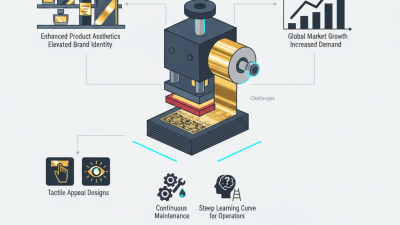
The Hot Foil Stamping Machine has transformed printing and packaging industries. This technology enhances the visual appeal of products with metallic and reflective finishes. According to a recent market study by Smith & Associates, the demand for hot foil stamping is projected to grow by 7% annually over the next five years.
Experts emphasize the importance of investing in quality machinery. John Smith, a leading specialist in printing technologies, stated, "The right Hot Foil Stamping Machine can elevate a brand's image significantly." This highlights the machine's role in marketing and brand differentiation. However, not all businesses embrace this innovation. Some may underestimate its impact or overlook maintenance needs, undermining potential benefits.
Companies must recognize the value of this technology. While it can be costly, not utilizing a Hot Foil Stamping Machine can lead to missed opportunities. The visual impact of products can set them apart in a competitive market. Investing wisely in these machines is critical for long-term success.

What is a Hot Foil Stamping Machine?
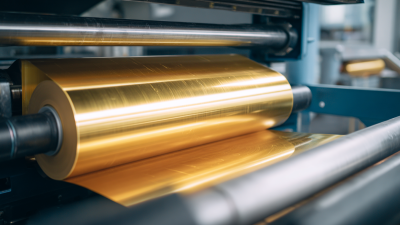
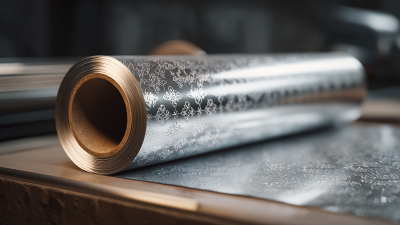
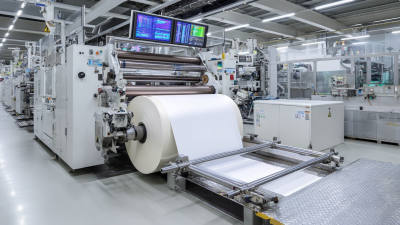
A hot foil stamping machine is a printing technique used to apply metallic or pigmented foil onto a surface. This process enhances the visual appeal of products. Instead of traditional ink, it uses a heat and pressure method. The foils can create various effects, from shiny metallics to matte finishes. This technique is popular in industries like packaging, labeling, and stationery. According to a market research report by Smithers Pira, the global foil stamping industry is expected to grow steadily over the next five years.
These machines operate using a heated die. The foil is placed between the heated die and the substrate. As the die presses the foil onto the material, the heat activates the adhesive on the foil's backside. The result is a crisp, striking impression. However, despite the advantages, it requires precise temperature and pressure settings. Improper adjustments can lead to subpar quality, such as uneven foil application or tarnished results.
The versatility of hot foil stamping is impressive. It can be applied to various materials, including paper, cardboard, and textiles. But not every material responds well. Some substrates may not adhere properly, leading to issues. The initial setup can be time-consuming. Proper training is essential for operators. Missteps can lead to wastage of both foil and materials. Balancing efficiency and quality is always a challenge in production settings.
Key Components of a Hot Foil Stamping Machine
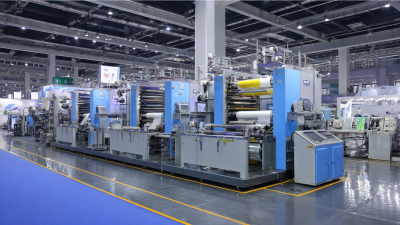
A hot foil stamping machine is a fascinating device. It's primarily used for adding metallic or colored foil embellishments to various surfaces. The machine consists of several key components that work together to create stunning finishes.
One crucial part is the heating plate. This plate heats the die, transferring the foil onto the desired material. Another important component is the foil roll. It provides the foil needed for stamping, available in various colors and finishes. The pressure system is also vital. It ensures proper contact between the foil and the substrate, achieving the desired effect.
Tips: Regular maintenance of the heating plate can enhance its longevity. Clean it after each use to avoid residue buildup. Additionally, experimenting with different foil types can yield unique results. Some foils may not bond properly if the pressure isn’t right, leading to frustrating mistakes.
Another aspect to consider is the substrate. Different materials react differently to heat and pressure. Testing on scrap pieces can save time and resources. Sometimes, adjustments are necessary for different projects. It’s crucial to document these changes for future reference. Ignoring this can lead to repeating errors, which is less than ideal.
Hot Foil Stamping Machine Usage Trends
How Hot Foil Stamping Works: Step-by-Step Process
Hot foil stamping is a fascinating process that adds a luxurious touch to various products. It uses heat and pressure to apply metallic foil onto surfaces like paper or plastic. This technique is widely used in the packaging industry, especially for premium items. According to industry reports, the global hot foil stamping market is projected to reach $1.5 billion by 2026, showcasing its rising popularity.
The hot foil stamping process begins with a heated die. This die carries the design to be stamped. When the substrate is placed under the die, it is pressed against the foil. The heat activates an adhesive layer on the foil, allowing it to bond with the substrate. This method results in vibrant colors and an eye-catching finish. However, achieving perfect results is not always guaranteed. Variations in temperature and pressure can lead to inconsistent outcomes. Therefore, continuous calibration is vital.
Following the stamping, quality control checks are crucial. Inspecting each product ensures consistency and eliminates errors. The process demands precision. Brands must consider that even minor adjustments can impact the final appearance. Despite its advantages, the hot foil stamping technique can be time-intensive. Many businesses must weigh the pros and cons before implementation. Balancing quality and efficiency is a challenge in this evolving field.
Applications and Benefits of Hot Foil Stamping
Hot foil stamping is gaining popularity across various industries. This technique adds a luxurious finish to products. It uses heat and pressure to transfer metallic or pigmented foil onto surfaces such as paper, leather, and plastics. According to industry data, the hot foil stamping market is projected to reach $4.1 billion by 2025, driven by a growing demand for premium packaging solutions.
Applications of hot foil stamping span across many sectors. In the luxury packaging industry, it enhances brand visibility and adds value. Designers use this process for promotional materials and high-end invitations. Moreover, it is prevalent in the textile industry, where adding a shiny logo elevates product appeal. However, some users report challenges in achieving consistent results, particularly on textured surfaces.
The benefits of hot foil stamping are notable. It provides vibrant colors and intricate designs that digital printing methods struggle to replicate. Additionally, hot foil stamping is eco-friendly when using biodegradable foils. Yet, the setup costs can be high, and there might be a learning curve for operators. Understanding these factors is essential for businesses looking to invest in this technology.
Maintenance Tips for Hot Foil Stamping Machines
Maintaining a hot foil stamping machine is essential to ensure its longevity and performance. Regular cleaning is crucial. Dust and debris can affect the quality of stamping. Use a soft cloth to wipe down surfaces regularly. Make sure the foil area is free from any residue. This simple step can enhance your machine's efficiency.
Check the heat settings frequently. Incorrect temperatures can lead to poor impressions. If the foil does not adhere properly, it may indicate a temperature issue. Always refer to the user manual for specific temperature guidelines. Adjust as needed. Monitoring these settings can save time and material waste.
Lubricate moving parts to minimize wear. A little oil goes a long way in reducing friction. Ensure that you do not over-lubricate, as excess can attract dirt. It's important to strike a balance. Also, review electrical connections regularly. Loose wires can disrupt performance. Address these issues promptly to avoid bigger problems later. Regular maintenance can lead to better results and fewer headaches.