Top 5 Tips for Choosing the Best Embossing Press?
Choosing the right embossing press is essential for any craftsperson or business looking to enhance their projects. An embossing press can transform your designs, creating depth and interest in various materials. However, with so many options available, selecting the best one can be challenging.
Consider your needs. You may have specific projects in mind that require particular features. Evaluate the size, pressure capacity, and ease of use that suits your work style. Some users overlook important details, such as machine weight and maintenance requirements. These factors can significantly impact your experience with the embossing press.
Research is vital. Read reviews, compare brands, and seek expert recommendations to ensure reliability. While it’s tempting to choose based solely on price, quality should not be compromised. Invest time to explore all possibilities. Remember, the right embossing press can elevate your craft, while the wrong choice might lead to frustration.
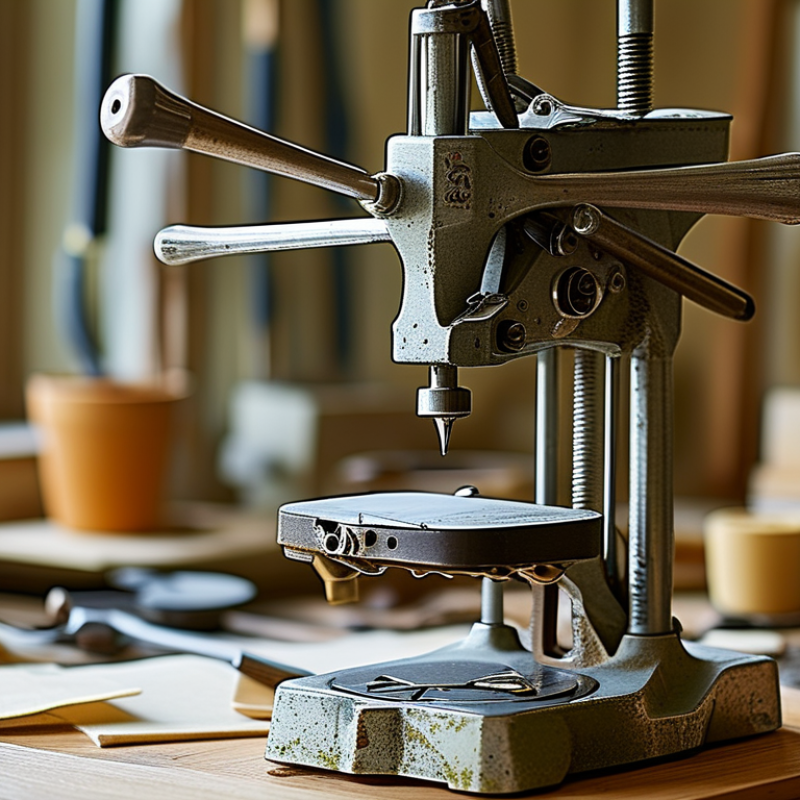
Understanding the Types of Embossing Presses Available on the Market
When exploring the various types of embossing presses available, it's essential to comprehend their functionalities. Handheld embossing presses are great for small projects. They require minimal storage space but might not handle large volumes efficiently. With these, you have to manually apply pressure, which can become tiresome for extensive work.
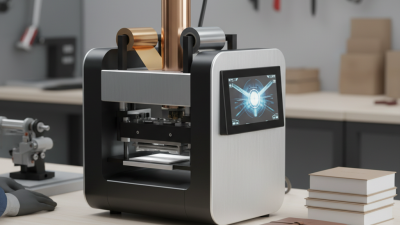
Electric embossing presses offer convenience for those who frequently work with thicker materials. They provide consistent pressure, reducing errors during the embossing process. However, they tend to be larger and require access to electricity. This can limit mobility and may not be suitable for smaller crafting stations.
Think about the type of projects you want to create. If you only do occasional work, a manual press might suffice. On the other hand, if you aim to create professional-quality products, investing in an electric model could be wise. Remember, each press has its pros and cons. It’s crucial to assess how often you’ll use it and for what kinds of projects. This clarity will guide you in making a reliable choice that meets your needs.
Evaluating the Size and Capacity Requirements for Your Projects
Choosing the right embossing press starts with understanding your project requirements, particularly size and capacity. Many users overlook this aspect, leading to frustration later. Analyzing the dimensions of your materials is crucial. Will you be embossing small cards or large sheets? Knowing this will significantly influence your purchase decision.
Capacity is another vital factor. Different presses handle varying thicknesses and types of materials. If you work with multiple mediums, you'll need a versatile machine. Always consider the weight and force needed for your projects. Users often underestimate how heavy their materials will be when embossed. An ideal press should handle your thickest materials comfortably.
Reflect on the volume of production too. A hobbyist may not need the same capacity as a small business owner. Think about your workflow and frequency of use. It’s worthwhile to test how much you can realistically produce. This evaluation can help prevent buyer's regret later. Ultimately, a careful assessment of size and capacity can lead to a satisfying embossing experience.
Identifying Key Features That Enhance Usability and Efficiency
When selecting an embossing press, usability often reigns supreme. Consider the weight and portability of the machine. A heavy press may provide stability, but it can be cumbersome to move. Evaluate whether the machine can be easily transported if required. A balance between durability and convenience is key.
Next, look at the control features. Some presses come with adjustable pressure settings. This can make a significant difference in the embossing quality. If the settings are hard to understand, the machine may frustrate you. User-friendly controls enhance the overall experience and can speed up your workflow.
The build quality also impacts reliability. A well-constructed machine may withstand regular use much longer than a cheaper alternative. Evaluate the materials used and read user reviews to gauge long-term durability. Keep an eye out for common feedback on weaknesses. Every embossing press has its drawbacks, so understanding these can help in making a more informed decision.
Top 5 Features to Consider When Choosing an Embossing Press
Assessing the Durability and Build Quality for Long-Term Use
When selecting an embossing press, assessing durability and build quality is crucial. A robust design contributes to longevity. According to a recent industry report, over 70% of users prioritize durability in their purchasing decisions. This reflects the reality that frequent use can wear down lower-quality machines quickly.
Material selection directly impacts durability. High-grade metals and alloys stand up better against wear. A report from the Craft and Hobby Association indicates that embossing presses made with these materials can last up to 15 years with proper maintenance. On the other hand, plastic components may fail sooner, leading to frustration and added costs.
Consider the construction of the press. A well-built machine will have tight tolerances, preventing misalignment during use. This attention to detail can enhance both the quality of the embossing and the lifespan of the press. However, manufacturers sometimes overlook these aspects, resulting in products that may seem appealing but don’t perform well. Look for reviews that detail user experiences, especially regarding build quality and durability.
Comparing Prices and Warranty Options for Different Brands and Models
When selecting an embossing press, it's crucial to analyze pricing and warranty options. According to a recent market report, prices can vary significantly across different brands and models. Entry-level presses may cost around $200, while advanced models can reach over $1,000. Understanding your budget is key to making an informed choice.
Evaluating warranty options can provide insights into a manufacturer's confidence in their product. Many reputable brands offer warranties ranging from one year to lifetime coverage. A longer warranty often indicates better durability and a commitment to quality. It's beneficial to compare what each warranty covers. Some include parts and labor, while others may only cover certain components.
Choosing the right embossing press also involves considering the machine's longevity and maintenance needs. Look for customer reviews that highlight the durability and performance of specific models. Be cautious of overly optimistic reviews. They may lack genuine user experiences. Ensure you gather data from diverse sources. This helps paint a clearer picture of what to expect. Buy from reliable retailers who can assist with questions or concerns throughout the purchasing process.
Top 5 Tips for Choosing the Best Embossing Press
| Feature |
Option 1 |
Option 2 |
Option 3 |
Option 4 |
Option 5 |
| Price Range |
$100 - $150 |
$120 - $180 |
$130 - $200 |
$140 - $210 |
$160 - $250 |
| Warranty Period |
1 Year |
2 Years |
1 Year |
3 Years |
2 Years |
| Max Thickness |
1.5 mm |
2 mm |
1.8 mm |
2.5 mm |
2 mm |
| Material Compatibility |
Paper, Cardstock |
Paper, Plastic |
Paper, Leather |
Paper, Fabric |
Paper, Cardstock, Plastic |
| User Rating |
4.2/5 |
4.5/5 |
4.0/5 |
4.8/5 |
4.3/5 |