Top Foil Machine Types for Efficient Packaging Solutions?
In today's fast-paced packaging industry, foil machines play a critical role in ensuring efficiency and quality. Renowned industry expert, Dr. Emily Carter, highlights the importance of these machines, stating, “Choosing the right foil machine can significantly enhance production flow and reduce waste.” Her insights shed light on the necessity for manufacturers to focus on the types of foil machines that best fit their unique needs.
Efficient packaging solutions require a detailed understanding of various foil machine types. Each machine comes with distinct features and capabilities that cater to different packaging demands. Whether it’s for food products, pharmaceuticals, or cosmetics, a tailor-made foil machine can optimize the packaging process while maintaining product integrity.
As businesses strive for excellence, selecting the ideal foil machine is not just about efficiency; it's also about adaptability. While many machines claim to deliver high performance, the real challenge lies in finding one that aligns with specific operational requirements. This decision may require revisiting initial preferences and reassessing what works best, emphasizing the need for continuous evaluation in this evolving market.

Overview of Foil Machine Technology in Packaging
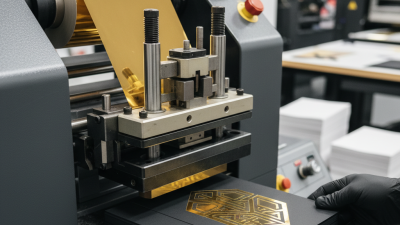
Foil machines are crucial in modern packaging technology. They offer efficient ways to wrap and seal products. These machines utilize foil materials for attractive and protective packaging. This method enhances product shelf life. Foil can secure items from moisture and light exposure.
Different types of foil machines serve diverse needs. Some are designed for high-speed packaging. Others focus on precision and detail. Advanced models are equipped with automation features. This saves time but can complicate training for staff. Efficiency is vital, yet reliability must not be overlooked.
Maintaining foil machines requires attention. Regular checks ensure optimal performance. Over time, wear can affect packaging quality. It’s essential to assess machine settings frequently. Understanding this balance is important for businesses aiming for streamlined operations. Investing in training can yield better results. Ultimately, packaging solutions depend on choosing the right foil machine.
Top Foil Machine Types for Efficient Packaging Solutions
| Machine Type |
Application |
Output Speed (units/min) |
Foil Thickness (microns) |
Features |
| Horizontal Form Fill Seal (HFFS) |
Food Packaging |
100-300 |
5-15 |
Quick changeover, Adjustable sealing |
| Vertical Form Fill Seal (VFFS) |
Snack Foods |
120-250 |
10-30 |
High-speed filling, Compact design |
| Cartoning Machine |
Pharmaceuticals |
80-200 |
15-50 |
Multi-functional, High accuracy |
| Shrink Wrap Machine |
Beverage Packaging |
50-150 |
20-40 |
Energy efficient, Space saving |
| Blister Packaging Machine |
Consumer Products |
60-180 |
10-25 |
Versatile design, Easy operation |
Types of Foil Machines and Their Applications
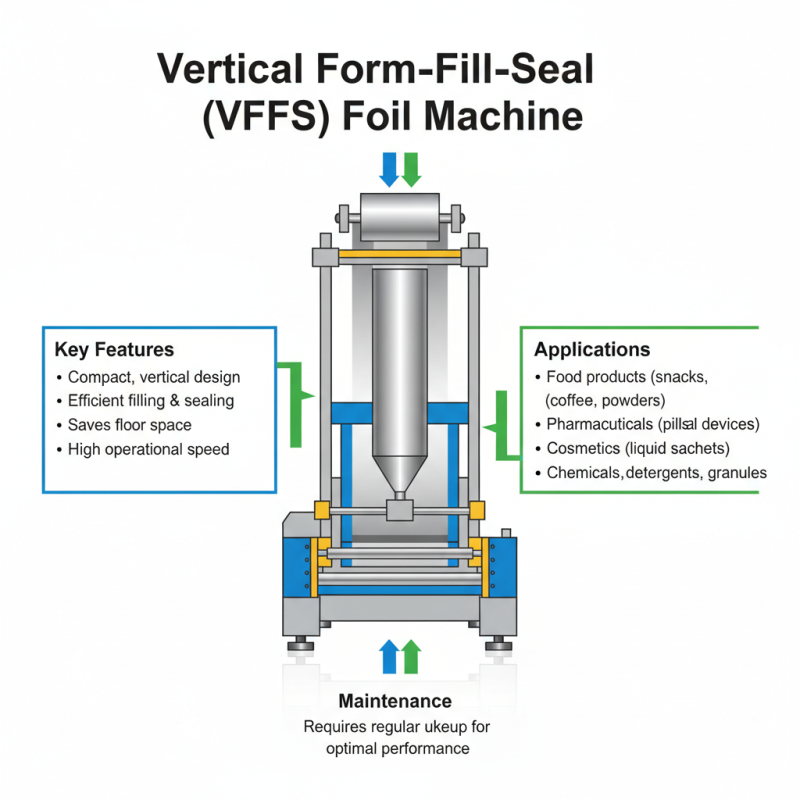
Foil machines come in various types, each designed for specific applications in packaging. One common type is the vertical form-fill-seal foil machine. This machine efficiently fills and seals pouches, making it suitable for food and pharmaceutical products. Its vertical design saves floor space, adding to operational efficiency. However, it requires regular maintenance to ensure optimal performance.
Another popular option is the horizontal flow wrapper. This type creates a sealed package by folding foil around the product, ideal for items like snacks and bakery goods. The horizontal layout allows for quick operation but may struggle with thicker products. This limitation calls for careful consideration during the selection process.
Lastly, inline foil machines offer versatility for various packaging needs. These systems can be integrated into existing production lines, enhancing workflow. However, they may have a steeper learning curve for operators, necessitating thorough training. Choosing the right type of foil machine is crucial, as each has strengths and weaknesses. Understanding these applications helps businesses make informed decisions for efficient packaging solutions.
Key Features to Consider When Choosing a Foil Machine
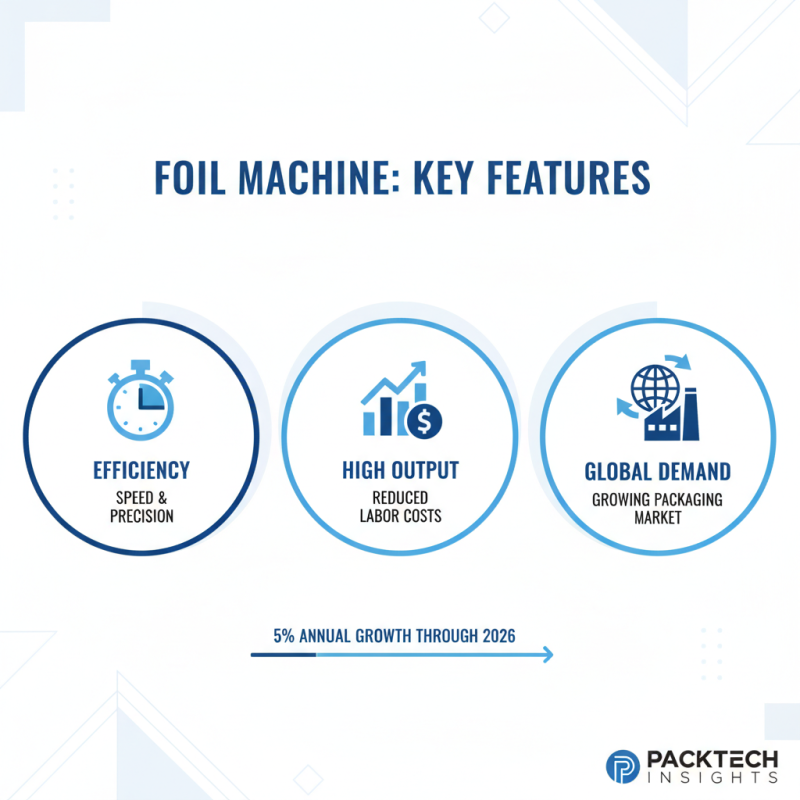
When selecting a foil machine, it is crucial to consider its key features. Efficiency is paramount, especially as packaging demands increase globally. According to a recent industry report, packaging machinery sales are projected to grow by 5% annually through 2026. A reliable foil machine should prioritize speed and precision. Higher output rates reduce labor costs and improve overall productivity.
Another essential aspect is compatibility with various materials. Foil machines must handle different substrates effectively, ensuring optimal sealing and minimal waste. A study revealed that up to 20% of material can be wasted during the packaging process, underscoring the importance of machinery that minimizes this loss.
User-friendly interfaces are also vital. Operators need machines that are easy to adjust and monitor. Complexity can lead to errors and downtime. Industry standards suggest that training time should not exceed a few hours for effective operation, enhancing reliability and efficiency. However, not all machines meet this standard, leading to a gap between expectation and performance. Investing time to evaluate these features can substantially impact productivity and cost-effectiveness.
Comparative Analysis of Manual vs. Automatic Foil Machines
When choosing between manual and automatic foil machines, understanding their differences is crucial.
Manual machines often require an operator to feed packaging material and foil. This can lead to variations in quality due to human error.
Operators need adequate training to avoid mistakes. However, the initial cost is typically lower for manual units. This makes them appealing for small businesses or those testing foil applications.
On the other hand, automatic foil machines offer higher efficiency. They can handle larger volumes with consistent quality.
These machines often integrate advanced features like sensors for tracking and error detection. This reduces downtime and increases production speed.
However, the investment can be significant. Companies must weigh the cost against potential savings in labor and material wastage.
Another aspect to consider is maintenance. Manual machines may require less technical knowledge to repair.
Yet, they can suffer from wear and tear if overused. Automatic machines, while more robust, need regular servicing to ensure they operate smoothly.
Understanding these nuances will guide businesses in selecting the right foil machine type for their packaging needs.
Trends in Foil Packaging Innovations and Future Directions
Innovations in foil packaging are rapidly shaping the future of the industry. As companies seek more sustainable solutions, biodegradable and recyclable foil materials are emerging. The focus is on reducing waste without compromising quality. Many manufacturers are exploring plant-based alternatives that offer the same barrier properties as traditional foils.
Tip: Always stay updated with the latest material advancements. Attend industry trade shows or webinars to learn about breakthroughs. Networking with experts can provide fresh insights on innovations.
Moreover, advancements in printing technology are enhancing aesthetics. High-quality graphics can now be printed directly on foils. This makes packaging more appealing on the shelves, which can drive sales. Designers are experimenting with creative designs that engage consumers on a deeper level.
Tip: Consider customer feedback on packaging designs. Understanding consumer preferences can guide better design choices. Consistent testing and iteration can lead to impactful packaging solutions.
Future directions also point toward smart packaging. Incorporating technology allows for features like QR codes for product tracking. This technology offers transparency and engages consumers in new ways.
Tip: Embrace change and remain adaptable. The packaging landscape is evolving, and keeping pace is vital for sustained growth. Challenge assumptions and be open to new ideas in the packaging industry.
Top Foil Machine Types for Efficient Packaging Solutions
This chart illustrates the market demand for various types of foil machines, highlighting the growing trend towards automatic and innovative packaging solutions. Understanding these types can help businesses choose the right equipment for efficient packaging.