Leave Your Message

Top 10 Hot Foil Stamping Machine Suppliers?

Choosing among the Top 10 Hot Foil Stamping Machine suppliers requires more than comparing glossy product catalogs. A reliable evaluation should examine machine performance, construction quality, technical support, and real production experience. Important details include foil feeding accuracy, platen pressure, temperature stability, stamping speed, and setup time. These factors affect whether a machine produces sharp metallic lettering or uneven, wasted impressions.

This guide introduces suppliers that serve packaging, printing, labeling, and specialty finishing businesses. It considers equipment ranges, customization options, operator feedback, warranty terms, spare-part availability, and after-sales service. Factory experience also matters. A supplier may offer an impressive machine, yet struggle with installation guidance or response times. That weakness can become expensive during a busy production week.

Small details matter.

Sample testing is strongly recommended before purchase. Ask suppliers to stamp your actual paperboard, coated stock, leather, or plastic materials. Check fine text, solid areas, registration, and foil release under repeated cycles. A dependable supplier should explain limitations clearly instead of promising perfect results for every substrate. That honesty builds trust.

This ranking is a practical starting point, not an unquestionable verdict. Supplier capabilities can change, and online information may become outdated. Some evidence may also come from limited customer experiences. Buyers should verify specifications, certifications, service coverage, and total ownership costs independently. Careful comparison helps companies choose a Hot Foil Stamping Machine that fits their workload, budget, and long-term production goals.
Top 10 Hot Foil Stamping Machine Suppliers?

Hot Foil Stamping Machine Market Scope and Key Industry Metrics

Top 10 Hot Foil Stamping Machine Suppliers: Hot Foil Stamping Machine Market Scope and Key Industry Metrics

Hot foil stamping serves packaging, labels, cards, books, and security-sensitive print applications. Industry estimates differ because some reports include presses, dies, and finishing equipment together. Grand View Research places the global printing machinery market in the multi-billion-dollar range, with packaging demand supporting steady equipment investment. Smithers also identifies premium packaging and short-run customization as important growth areas through 2029.

The most useful supplier metrics are not machine count alone. Buyers should compare stamping speed, maximum sheet size, foil waste, changeover time, pressure stability, and energy consumption. A practical line may run 4,000 to 8,000 sheets per hour, depending on substrate, design coverage, and tooling. Details matter. A poorly adjusted platen can leave uneven gold transfer around fine lettering.

MarketsandMarkets reports continued growth in packaging automation, while several market studies forecast mid-single-digit annual expansion for hot stamping equipment. These figures remain estimates, not guarantees. Report boundaries vary, and regional demand can distort comparisons. Supplier evaluations should include documented uptime, operator training, spare-part response, and sample testing with actual paper or board. One weakness remains clear: many published forecasts provide limited data on foil waste and maintenance costs. That gap deserves closer review before selecting a top-ten supplier.

Top 10 Hot Foil Stamping Machine Suppliers? - Hot Foil Stamping Machine Market Scope and Key Industry Metrics

Supplier-neutral benchmark of the main machine specifications and market indicators used when evaluating hot foil stamping equipment. The figures represent commonly published commercial ranges rather than company- or brand-specific data.

No. Industry Metric Typical Commercial Range Common Application Equipment Category Evaluation Notes
1 Maximum Stamping Speed Approximately 1,500–8,000 sheets/hour Short-run and medium-volume packaging, labels, and commercial print Automatic sheet-fed Actual output depends on sheet size, foil coverage, artwork complexity, substrate, and stripping requirements.
2 Maximum Sheet Format Approximately 320 × 450 mm to 1,060 × 760 mm Cards, cartons, book covers, luxury packaging, and display materials Sheet-fed platen Larger formats improve imposition efficiency but normally require higher installed power and floor space.
3 Foil-Feed Configuration 1–6 independently controlled foil pulls Single-color work through multi-color and multi-pass decoration Roll-to-sheet Independent foil control can reduce waste when several foil widths or repeated images are used.
4 Heating Temperature Range Approximately 80–180°C Paperboard, coated stock, synthetic sheets, plastics, and selected leather products Heated-die system The correct setting is determined by foil chemistry, substrate, die material, dwell time, and pressure.
5 Die or Platen Pressure Typically 20–100 tonnes, depending on format Fine text, solid areas, embossing combinations, and deep-impression work Hydraulic or mechanical Required pressure increases with image area, substrate hardness, embossing depth, and sheet format.
6 Foil Width Compatibility Approximately 10–250 mm per foil lane Fine lettering, decorative borders, broad panels, and repeat patterns Programmable foil feed Efficient foil utilization depends on lane layout, pull length, registration accuracy, and reusable foil paths.
7 Registration Accuracy Commonly within ±0.10–0.30 mm Premium packaging, security graphics, labels, and registration-sensitive designs Servo-assisted Accuracy is affected by feeder stability, substrate dimensional variation, die mounting, and machine calibration.
8 Supported Substrate Thickness Approximately 80–2,000 microns Thin paper, folding carton, board, laminated sheets, and selected synthetic materials Multi-substrate Substrate compatibility must be confirmed through testing because coatings and surface energy influence adhesion.
9 Automation and Changeover Preset control, job memory, sensor monitoring, and quick die change options Frequent job changes and customized short-run production Digital-control platform Useful indicators include setup time, fault diagnostics, repeat-job recall, feeder adjustment, and operator safety functions.
10 Primary End-Use Segments Packaging, commercial print, labels, publishing, cards, and specialty products Brand decoration, premium finishing, tactile effects, and anti-counterfeit features Cross-industry Packaging generally represents the broadest application base, while specialty products emphasize finish quality and flexibility.

Data scope: Indicative ranges compiled from commonly published specifications for commercial hot foil stamping equipment and standard production practices. Performance varies by machine configuration, die design, substrate, foil type, operator settings, and production conditions. Confirm all specifications with technical documentation and sample testing before procurement.
Core Machine Types: Flatbed, Rotary, and 3D Foil Stamping Systems

Top 10 Hot Foil Stamping Machine Suppliers?

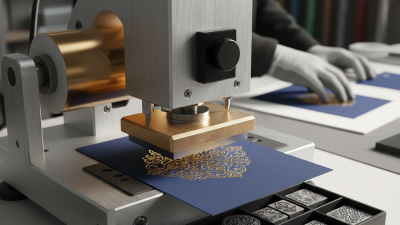
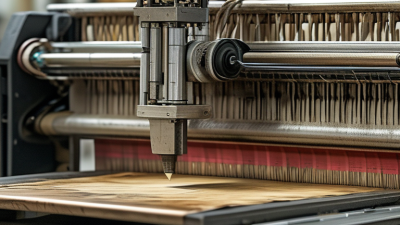
Flatbed, rotary, and 3D systems serve different production realities. Flatbed machines apply foil with a heated die and vertical pressure. They suit cartons, invitations, labels, and short runs. Rotary systems use cylindrical tooling and continuous web movement. They usually deliver higher speeds for long packaging runs. Three-dimensional systems control pressure across curved or uneven surfaces. They fit luxury boxes, molded components, and decorative panels. According to Smithers’ 2024 packaging outlook, global packaging demand continues expanding, increasing pressure for consistent finishing quality. However, speed alone does not prove supplier reliability.

When comparing ten potential suppliers, inspect registration accuracy, heating stability, foil waste, and die-change time. A machine that claims 6,000 impressions per hour may perform differently with textured stock. Smithers’ The Future of Global Printing to 2028 highlights automation and efficiency as major investment priorities. Ask for a live sample using your actual substrate. Check service response times, spare-part availability, operator training, and documented safety controls. Three-dimensional stamping often needs careful testing. Small pressure errors can create dull corners or uneven metallic coverage.

Tips: Choose flatbed for flexible batch sizes. Choose rotary for stable, high-volume production. Choose 3D equipment for shaped surfaces, not ordinary cartons. Request measured output data, not promotional estimates. Keep foil, temperature, and pressure records during trials. This simple log often reveals problems suppliers overlook. Even experienced operators can misjudge setup waste. That deserves honest review.

Supplier Evaluation by Speed, Pressure, Temperature, and Foil Accuracy

Top 10 Hot Foil Stamping Machine Suppliers

Evaluating hot foil stamping machine suppliers requires more than comparing catalog numbers. In production trials, speed must be measured with real materials, not empty runs. A machine claiming 5,000 impressions per hour may slow considerably with detailed lettering or uneven stock. Ask suppliers for test samples using your foil, substrate, and artwork.

Pressure control directly affects edge sharpness and surface damage. Reliable machines should maintain consistent pressure across the platen. Watch for weak corners, crushed paper, or incomplete transfers. Temperature stability matters equally. A small temperature swing can create dull patches, curling, or excessive foil release. Digital controls help, but independent temperature readings provide stronger evidence.

Foil accuracy deserves careful inspection. Check registration after repeated cycles, especially on small text and narrow borders. A practical trial should run at least several hundred impressions, with samples taken at the beginning, middle, and end. Measure waste, alignment, and color consistency. Supplier support also matters: clear maintenance guidance, accessible replacement parts, and responsive technical training reduce downtime.

No evaluation is perfect. Test results can change with humidity, operator skill, and material batches. I would record these variables instead of trusting a single demonstration. Some suppliers provide impressive samples but limited production data. That gap deserves direct questions, written specifications, and a realistic acceptance test before purchase.

Top 10 Hot Foil Stamping Machine Suppliers by Capacity and Applications

The top 10 hot foil stamping machine suppliers differ mainly in capacity, automation, and application focus.

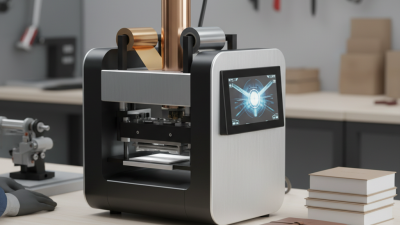
Compact suppliers often build tabletop or semi-automatic presses for invitations, labels, leather goods, and short packaging runs. These machines usually handle narrow foil widths and moderate pressure, but they reduce setup time and floor space. They can be surprisingly capable.

Mid-capacity suppliers

Mid-capacity suppliers typically offer pneumatic or hydraulic machines for cartons, cosmetic boxes, book covers, and commercial printing. Buyers should compare pressing force, stamping area, cycle speed, and foil-saving controls.

A stable temperature system matters when fine lettering meets coated paper. Poor heat control leaves dull edges or incomplete transfer.

High-capacity suppliers

High-capacity suppliers serve converting plants with automatic feeding, multiple foil stations, and inline quality checks. Their equipment suits cigarette-free packaging, pharmaceutical cartons, premium labels, and large-volume decorative work. Some systems support embossing, holographic effects, and variable production data, depending on configuration.

Supplier expertise should include installation, operator training, spare parts, and process testing. Ask for samples using your actual substrate, not a convenient showroom sheet. That step exposes feeding errors, uneven pressure, and foil waste.

No ranking is perfect. A powerful machine may be unsuitable for delicate stock, while a slower press may deliver cleaner results. Capacity claims also need scrutiny because advertised speed often excludes loading, adjustment, and inspection time. Reliable suppliers explain these limits clearly and provide documented maintenance schedules.

Certifications, After-Sales Support, and Total Cost of Ownership Comparison

Choosing among the top 10 hot foil stamping machine suppliers requires more than comparing catalog prices. Certifications offer an early reliability check, but buyers must verify their scope and validity. ISO 9001 can indicate controlled quality processes, while electrical and safety certifications should match the destination market. Ask for current certificates, testing records, and machine-specific documentation. A polished logo is not proof.

After-sales support often separates a dependable supplier from an expensive interruption. Request written response times, remote troubleshooting procedures, spare-parts availability, and technician coverage in your region. During a factory evaluation, inspect wiring, heating zones, foil tension controls, and guarding. A live sample run matters. It can reveal uneven pressure, wasted foil, or slow temperature recovery. Training should cover setup, die alignment, cleaning, and fault diagnosis. Vague promises deserve caution.

Total cost of ownership gives a fairer comparison than the purchase quote. Include dies, tooling changes, foil waste, electricity, preventive maintenance, shipping, installation, training, and expected downtime. A cheaper machine may consume more foil or require longer manual adjustments. That difference grows across daily production. Ask suppliers to calculate costs using your actual materials, cycle time, and annual volume. However, forecasts are imperfect. Operator skill and job mix can change the result. Recheck the figures after a production trial, and keep assumptions in writing. A credible supplier accepts technical questions and admits limitations. That honesty is valuable.