Top 10 Industrial Printing Machines You Need to Know About?
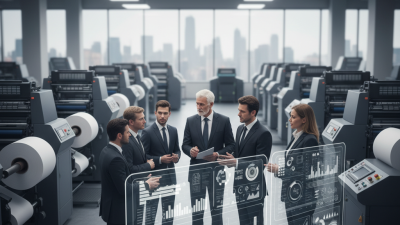
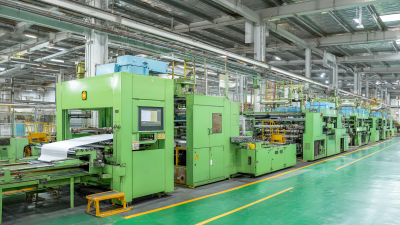
In the fast-paced world of manufacturing, understanding the intricacies of an Industrial Printing Machine is crucial. These machines play a vital role in the production process, bringing designs to life with precision and efficiency. From packaging to textiles, their applications are diverse and essential.
Each Industrial Printing Machine has unique features that cater to specific needs. Some machines excel in speed, while others focus on detail and color accuracy. This variety allows businesses to choose the right machine based on their production goals. However, selecting an industrial printer isn't straightforward. Factors like maintenance costs and technological advancements must be considered.
As the industry evolves, so do the machines. New technologies emerge, leading to improved reliability and performance. Businesses must remain adaptable, continuously assessing their printing needs. Understanding the top 10 Industrial Printing Machines today will empower you to make informed choices and stay competitive in a challenging market.
Types of Industrial Printing Machines and Their Applications
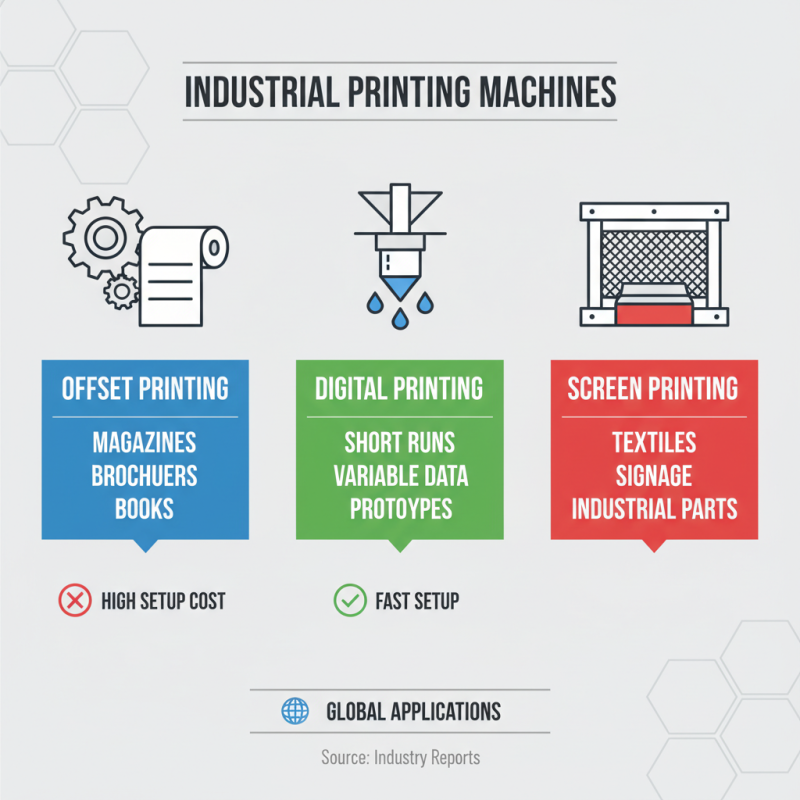
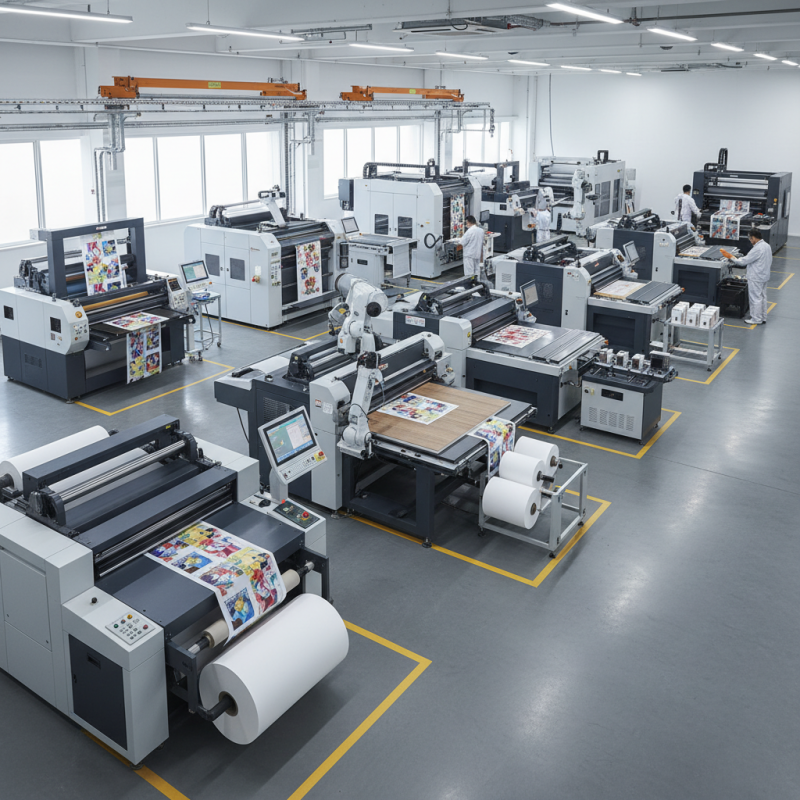
Industrial printing machines come in various types, each designed for specific applications. Offset printing is one of the most common types. It is widely used for producing magazines, brochures, and books. This method offers high-quality images and sharp text. However, it may not be the best choice for short runs due to setup costs.
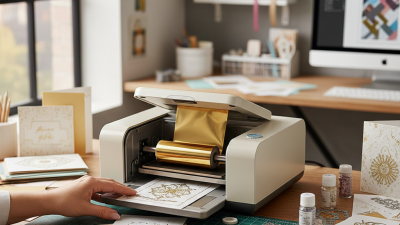
Digital printing has changed the landscape significantly. It allows for rapid production and customization. This makes it ideal for small businesses needing quick, personalized prints. The downside is that the cost per unit can be high when printing larger quantities. Flexographic printing is another prevalent method, particularly for packaging. It excels in high-volume projects, like creating labels and flexible packaging. But it has limitations regarding color and detail compared to other methods.
Each printing machine has its perks and downsides. Businesses must assess their specific needs before choosing. Understanding these options can lead to better decisions and improved production efficiency. The right type of machine can elevate product quality but may also involve trade-offs that require careful consideration.
Key Features to Look for in Industrial Printing Machines
When selecting industrial printing machines, understanding key features is vital. Speed is one of the primary considerations. Reports indicate that modern machines can achieve speeds of over 300 meters per minute. This feature drastically reduces production time and enhances efficiency.
Print quality must not be overlooked. High-resolution output is essential for detailed designs. Machines should support various resolutions, allowing flexibility based on project needs. For instance, some machines offer resolutions up to 1200 dpi, ensuring vivid colors and sharp images. However, achieving these standards may require regular maintenance, which can be overlooked.
Versatility also plays a crucial role. Machines that can print on multiple substrates, from paper to textiles, are increasingly sought after. According to market analysis, companies utilizing multi-functional printers save nearly 25% in operational costs. Nevertheless, selecting a machine that meets diverse needs can be a challenge. Businesses must weigh these capabilities against their specific requirements, ensuring they invest wisely.
Top 10 Industrial Printing Machines - Key Features Comparison
Top Brands Leading the Industrial Printing Machine Market
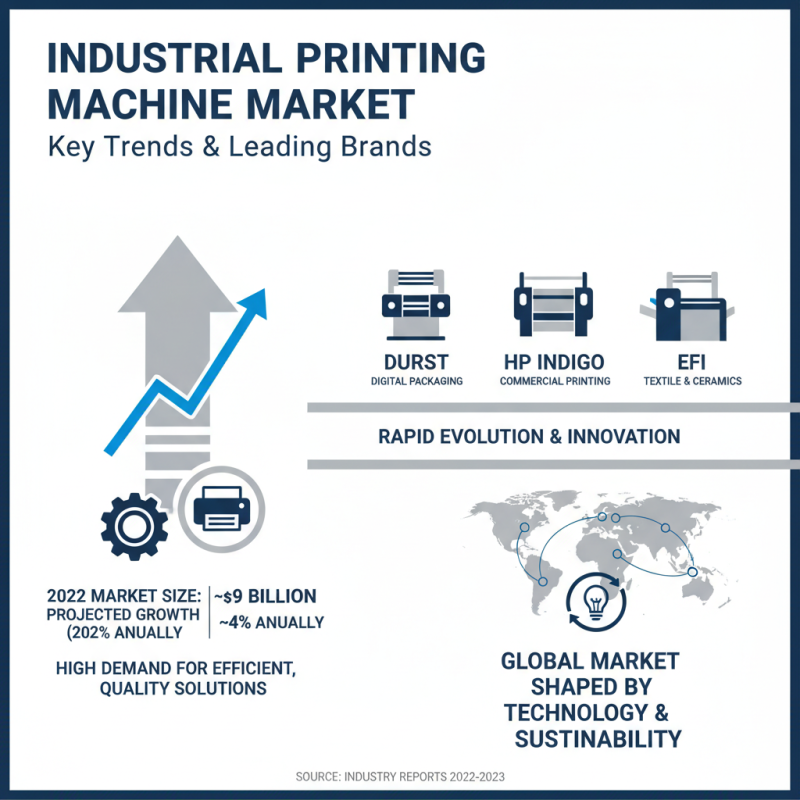
The industrial printing machine market is rapidly evolving. Key brands lead this sector, shaping trends and driving innovation. The global market size for industrial printing machines was valued at approximately $9 billion in 2022. Industry forecasts project a growth rate of about 4% annually over the next five years. This highlights the increasing demand for high-quality, efficient printing solutions.
Leading brands within this sector focus on technology and sustainability. They invest heavily in research and development to improve print accuracy and reduce waste. For instance, the integration of digital technology in printing processes has enhanced print speeds and quality. However, some companies struggle to balance traditional methods with new technologies. This can lead to inefficiencies or operational challenges.
Tips: When choosing an industrial printing machine, consider the specific needs of your business. Evaluate print quality, speed, and cost-effectiveness. Additionally, analyze how well a machine adapts to existing systems. Understand that not every solution fits all operations. Industrial printing continues to evolve, and certain features may become outdated quickly. Staying informed is essential for long-term success.
Comparison of Costs and Efficiency Among Popular Models
Industrial printing machines play a vital role in various sectors. When comparing costs, it's essential to consider both initial investments and long-term expenses. Some machines may have a lower price tag but higher maintenance costs. Understanding these factors can help you make a more informed decision.
Efficiency is another critical aspect. A machine's speed and output quality significantly impact productivity. Some models use advanced technologies to streamline operations. However, these machines could require extensive training for staff. Balancing efficiency with user-friendliness should be a priority.
**Tip:** Consider the total cost of ownership, not just purchase price. Evaluate how often a machine needs repairs and how much downtime it might incur.
**Tip:** Always verify specifications with multiple sources. This ensures you get the most accurate information available.
In the end, regular assessments of machine performance can highlight areas needing improvement. Don't overlook the importance of employee training in maximizing efficiency. The right approach can turn a costly investment into a valuable asset.
Top 10 Industrial Printing Machines You Need to Know About
| Model |
Printing Technology |
Max Print Width (mm) |
Speed (m²/h) |
Cost ($) |
Efficiency Rating (1-10) |
| Model A |
Inkjet |
1600 |
100 |
120,000 |
9 |
| Model B |
Laser |
1500 |
70 |
100,000 |
8 |
| Model C |
UV |
2000 |
90 |
150,000 |
10 |
| Model D |
Dye Sublimation |
1200 |
60 |
95,000 |
7 |
| Model E |
Eco-Solvent |
1800 |
80 |
110,000 |
8 |
| Model F |
Flatbed |
2000 |
150 |
200,000 |
9 |
| Model G |
Thermal Inkjet |
1300 |
50 |
85,000 |
6 |
| Model H |
Digital Printing |
1600 |
75 |
130,000 |
8 |
| Model I |
Ceramic Printing |
900 |
40 |
70,000 |
5 |
| Model J |
Textile Printing |
1800 |
65 |
100,000 |
8 |
Future Trends in Industrial Printing Technology and Innovations
The industrial printing landscape is evolving rapidly. Innovations are driven by advances in technology, sustainability, and customization. Current trends indicate a shift towards hybrid printing techniques. These methods combine digital and traditional processes, enhancing flexibility and reducing waste. Companies are increasingly focusing on eco-friendly materials. This change stems from a growing awareness of environmental concerns.
While automation plays a significant role, there's a need to balance it. Fully automated systems can lead to reduced human interaction. This detachment might overlook unique customer requirements. Industry experts emphasize the need for a hybrid approach, blending automation with human creativity. Achieving this balance is challenging, yet crucial for success in a competitive market.
Moreover, the rise of on-demand printing services is notable. Businesses now require faster turnaround times and personalized products. This demand forces manufacturers to rethink their capabilities. They must invest in technology that accommodates quick adjustments. However, the integration of new systems can be complex. Companies must ensure they have the right training and infrastructure in place to support these advancements. The path forward is fraught with challenges, but also rich with opportunities.