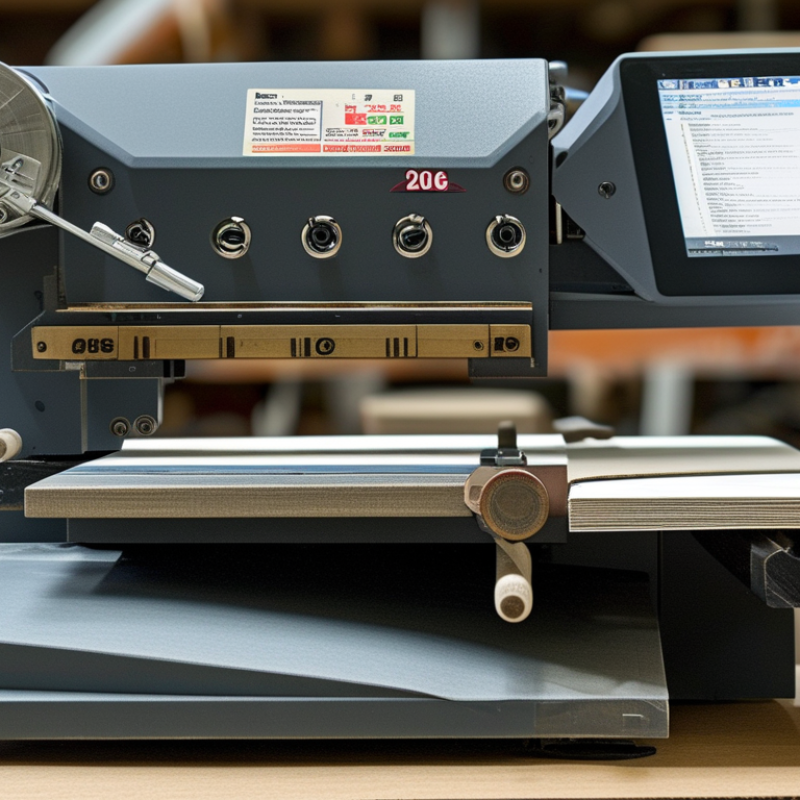
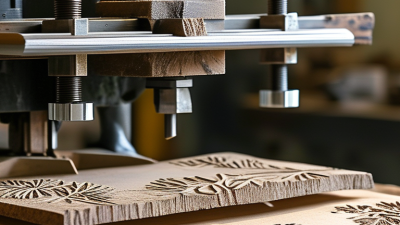
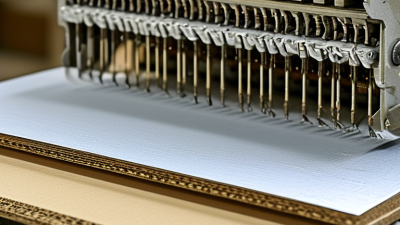
Choosing an Embossing Press in 2026 is not simply a matter of comparing prices, tonnage, or shiny specifications. Global buyers must match the machine with real production conditions, including material thickness, die size, cycle speed, operator skill, and local service access. A press that performs beautifully on 300gsm coated paper may struggle with leather, recycled board, or uneven stock.
Packaging machinery consultant Mike Ferrari offers a practical reminder: “Buy the process, not merely the machine.” That principle deserves attention. The best Embossing Press should support the complete workflow, from artwork preparation and die installation to pressure adjustment, registration, maintenance, and quality inspection. Ask for sample runs. Measure the impression depth. Check edge sharpness under normal lighting. Small details expose large weaknesses.
This guide examines the buying decisions that matter to global purchasers. It considers mechanical construction, pneumatic or hydraulic systems, heating control, safety design, energy use, spare parts, training, and after-sales support. It also compares the needs of commercial printers, packaging factories, bookbinders, and specialty manufacturers.
Specifications can mislead.
A faster machine is not always better. Higher pressure may damage delicate stock. Automation may increase output, yet create unnecessary complexity for a smaller workshop. These trade-offs are easy to underestimate, especially when suppliers present ideal demonstrations.
Reliable purchasing requires evidence. Request documented tolerances, warranty terms, test results, and references from comparable users. Verify certification requirements in the destination market. No guide removes every uncertainty. However, careful questions can prevent an expensive mismatch and help buyers select an Embossing Press built for dependable, repeatable production.
2026 Best Embossing Press Buying Guide for Global Buyers
Define the embossing job before comparing machines. Material is the first decision. Paperboard, leather, foil, rubber, and technical films react differently to heat and pressure. A soft sheet may show fine detail at low force. Dense board may need a slower cycle and stronger tooling. Measure the embossing area, not just the product size. Leave space for alignment, margins, and fixture movement. Depth also matters. Shallow marks suit logos and textures, while deeper relief needs careful material testing.
Force is usually specified from 10 to 500 kN. Do not choose the highest rating automatically. Estimate the working area, material resistance, tool shape, and safety margin. A smaller press may provide better control for delicate surfaces. A larger press can support bigger dies, but it may waste energy and floor space. In practical trials, calculated force is often imperfect. Tool wear, temperature, and uneven loading can change the result. Test actual samples before confirming specifications.
Tips: Prepare samples using the real material, finish, and thickness. Record force, dwell time, temperature, and rejection points. Check whether the press supports your power standard and workplace requirements. Ask for repeatability data, guarding details, maintenance access, and operator training. If the embossed depth looks attractive in one sample, do not assume every batch will match. Calibration needs attention.
Cycle rate should be read with stroke length, material thickness, and cooling time. A press rated at 30 cycles per minute may slow considerably under deep embossing work. Ask for measured output using your actual substrate, not an empty-bed demonstration. Stroke length affects forming depth and return speed. A short stroke suits shallow marks, while a longer stroke needs stronger frame control. Small differences matter.
Bed size determines usable area, setup flexibility, and wasted energy. A larger bed can process several impressions together, but it may consume more power during heating and idle periods. Compare working area, not only the advertised frame size. Energy data should include warm-up, standby, and production modes. The International Energy Agency reports that industry consumed about 37% of global final energy in 2022, making efficiency a practical purchasing concern.
Servo-driven systems may reduce idle losses, but savings depend on duty cycle and maintenance. The U.S. Department of Energy notes that motors represent a major share of industrial electricity use, often near 70%. That figure is not specific to embossing presses, so avoid treating it as a guaranteed saving. Request kWh per 1,000 impressions, noise readings, and repeatability records. A slower press can be better. Sometimes, however, buyers overvalue speed and underestimate tooling changes.
2026 Best Embossing Press Buying Guide for Global Buyers
Set Quality Targets: ±0.1 mm Registration and ISO 9001 Process Control
A serious buying decision starts with measurable registration, not attractive machine photos. Set ±0.1 mm as the target for artwork, foil, and embossing alignment. Ask how this figure is measured. It should include the substrate, tooling, temperature, and sampling method. A supplier should provide test sheets from repeated production, not one perfect sample.
In practical trials, inspect at least 100 cycles after the press reaches operating temperature. Measure registration with a calibrated optical gauge, then record drift across the sheet. Paper moisture, die pressure, and operator setup can change results. I have seen a press pass its first inspection and lose alignment after warm-up. That gap deserves attention. Perfect numbers can hide weak procedures.
ISO 9001 process control should support the specification, not replace it. Request the certificate scope, calibration records, incoming-material checks, and corrective-action reports. Confirm that operators follow documented setup instructions. Review how rejected sheets are isolated and traced. For global buyers, ask for inspection data in a consistent format. Video evidence helps, but controlled acceptance testing matters more. A factory may meet the standard while still missing your application’s tolerance. Allow time for a second trial. Mistakes often appear there.
| Evaluation Area | Quality Dimension | Recommended Target or Reference | Verification Method | Acceptance Evidence | Buyer Relevance |
|---|---|---|---|---|---|
| Registration | Embossing-to-print alignment | Target: ±0.1 mm or tighter for precision jobs | Run a representative printed sheet; measure at multiple registration marks with a calibrated optical comparator or digital measuring system. | Documented first-article results and repeatability data from several consecutive sheets. | Reduces visible misalignment on logos, security features, packaging graphics, and fine decorative patterns. |
| Repeatability | Position consistency during production | Set a project-specific tolerance band; use ±0.1 mm where the artwork requires precision. | Measure the same feature at the beginning, middle, and end of a controlled production run. | Control chart or inspection record showing results within the agreed tolerance. | Separates a stable press from one that performs well only during initial setup. |
| Pressure Control | Pressure adjustment and stability | Fine, repeatable adjustment with a documented operating range; do not rely only on nominal maximum pressure. | Review calibration records and compare embossed depth or impression quality at selected settings. | Pressure-setting procedure, calibration status, and sample approval at the required substrate thickness. | Helps prevent crushed fibers, uneven relief, incomplete impressions, and premature tooling wear. |
| Embossing Quality | Relief depth and visual uniformity | Define the required depth by substrate, artwork, and tooling; use one approved master sample as the visual reference. | Measure depth with a suitable optical or contact method and inspect under consistent lighting. | Approved sample, inspection limits, and records for depth, edge definition, and surface defects. | Paper, board, foil, synthetic sheets, and laminated materials respond differently to pressure and temperature. |
| Format Capability | Maximum sheet or working area | Choose a working area at least 10% larger than the largest required sheet and tooling layout where practical. | Compare the usable platen or feed area with the largest planned sheet, gripper margin, and registration zone. | Technical drawing showing usable dimensions rather than only the external machine footprint. | Provides room for setup margins and reduces the risk of buying a press that cannot handle future jobs. |
| Substrate Range | Material thickness and surface compatibility | Confirm the actual material range in millimetres or grammage, including the thinnest and thickest planned stock. | Conduct trials using production-intent paperboard, coated stock, foil, or synthetic material. | Signed test report listing material, thickness, tooling, pressure, speed, and result. | Nominal specifications may not represent performance on coated, laminated, or moisture-sensitive materials. |
| Temperature | Heated-tool or foil-stamping temperature control | Use a closed-loop controller with a stated operating range and displayed setpoint; determine the process temperature by trial. | Compare controller readings with a calibrated surface or infrared measurement method suitable for the tooling. | Temperature calibration record and approved samples at the selected process setting. | Stable temperature supports consistent foil transfer and helps limit scorching, distortion, and adhesion variation. |
| Cycle Performance | Rated production speed | Use the supplier's rated cycles per hour only as a reference; establish an effective rate including setup, inspection, and stoppages. | Time a representative job from approved setup through a defined quantity of acceptable output. | Run sheet showing cycle time, downtime, waste, and accepted pieces per hour. | Effective throughput is more useful for costing than an unloaded or ideal maximum speed. |
| Tooling | Die compatibility and changeover | Confirm supported die materials, maximum die size, mounting method, and changeover procedure before purchase. | Inspect the mounting system and complete a supervised die installation and setup trial. | Tooling drawing, setup instructions, and recorded changeover time for a representative job. | Shorter, repeatable changeovers improve flexibility for short runs and multiple designs. |
| Process Control | ISO 9001 quality-management alignment | Require documented control of purchasing, production, inspection, nonconformities, corrective action, and records. | Audit the supplier's quality-system documentation and verify the scope and validity of any ISO 9001 certificate. | Certificate issued by an accredited certification body, defined scope, controlled procedures, and traceable inspection records. | ISO 9001 describes a quality-management system; it does not by itself guarantee a specific registration accuracy. |
| Measurement | Calibration and traceability | All instruments used to verify ±0.1 mm registration should have current calibration traceable to recognized national or international standards. | Review calibration labels, certificates, uncertainty information, and the equipment register. | Current calibration certificates for optical systems, gauges, scales, temperature devices, and pressure instruments as applicable. | Reliable measurement is essential when acceptance depends on a narrow tolerance. |
| Inspection | Sampling and release criteria | Define first-article approval, in-process checks, final inspection, sampling frequency, and rejection criteria before production. | Review the inspection plan and observe operators recording actual results against limits. | Completed inspection forms linked to job number, material lot, tooling, operator, and date. | Creates objective acceptance rules and reduces disputes between buyer and supplier. |
| Safety | Guarding, emergency stop, and instructions | Require risk-based guarding, accessible emergency stops, clear operating instructions, and conformity documentation for the destination market. | Perform a safety inspection and review the applicable local regulatory and electrical requirements. | User manual, risk assessment, safety test records, and required declaration or certification for the importing region. | Safety compliance is a legal and operational requirement, not merely an optional machine feature. |
| Serviceability | Spare parts, training, and response | Obtain a written support plan covering critical spare parts, preventive maintenance, operator training, and response times. | Review the parts list, maintenance schedule, training agenda, and service escalation process. | Service-level terms, recommended spare-parts list, maintenance checklist, and training records. | Reduces downtime and helps maintain registration and impression quality throughout the equipment life. |
| Commercial Acceptance | Pre-shipment and site acceptance testing | Make ±0.1 mm registration, approved samples, safe operation, and required process records contractual acceptance points. | Conduct witnessed factory acceptance testing and repeat the agreed checks after installation. | Signed FAT and SAT protocols with measured results, deviations, corrective actions, and final approval. | Converts performance expectations into verifiable purchase conditions for global transactions. |

A 2026 embossing press should be evaluated through documented risk control, not a decorative compliance label. The International Labour Organization reported about 2.93 million work-related deaths and 395 million non-fatal injuries worldwide in 2023. That figure makes safeguarding a purchasing requirement, not paperwork.
For European shipments, CE marking should reflect applicable machinery, electrical, and electromagnetic requirements. Ask for the Declaration of Conformity, technical file access, and test evidence. ISO 12100 requires a structured risk assessment, including crushing points, heated tooling, unexpected movement, and maintenance access. A certificate alone may not prove that the supplied press matches the assessed design.
North American buyers should verify the relevant UL and local electrical requirements for the installation site. Requirements can vary with voltage, controls, and intended use. Check enclosure protection, wiring, grounding, overload protection, and control reliability. Emergency-stop devices should follow ISO 13850 principles and applicable electrical control standards. They must be visible, reachable, and designed to stop hazardous motion quickly. Resetting the button must not restart the press.
Test it physically. Press the stop during a cycle. Observe the motion, stored energy, and restart behavior. Some supplier files are incomplete, and buyers often notice this too late. Request measured stopping performance, inspection records, language-specific instructions, and training evidence. A practical factory audit can reveal gaps that certificates hide.
A 2026 embossing press should be priced by total cost, not purchase price alone. Include freight, duties, installation, tooling, training, maintenance, electricity, and downtime. The U.S. Energy Information Administration reported an average industrial electricity price near $0.08 per kWh in 2024. Local tariffs may be much higher.
Calculate power from real production data. A 15 kW press running at 60% average load for 2,000 hours uses about 18,000 kWh yearly. At $0.10 per kWh, that equals $1,800. Add standby consumption and peak-demand charges. They are easy to miss. The International Energy Agency’s Energy Efficiency 2024 report identifies industry as responsible for nearly 40% of global final energy use. Efficient heating, shorter cycles, and automatic shutdown can materially affect operating cost.
Capacity must reflect usable output. If one cycle takes 18 seconds, theoretical capacity is 200 pieces per hour. At 75% availability and 85% yield, practical output falls to about 128 good pieces hourly. Record mold changes, temperature recovery, rejects, and service delays. For ROI, use: annual contribution margin minus annual operating cost, divided by installed cost. A $30,000 installed press producing $18,000 in annual net contribution has a simple payback of about 1.7 years. This is only an estimate. Currency changes, operator wages, and underestimated maintenance can distort it. Review actual production logs after three months.
Estimated ownership costs for new hydraulic embossing presses at three common capacity levels. Values are in USD and exclude taxes, freight, tooling, installation, and financing.
The 30-ton press provides a balanced cost-to-capacity option for many production environments. The five-year estimate includes purchase price, scheduled maintenance, and electricity based on 2,000 operating hours per year, an average electricity rate of $0.12 per kWh, and typical hydraulic press power consumption.