Leave Your Message

2026 Best Types of Hot Stamping Printing Machines

Choosing the right machine for Hot Stamping Printing requires more than comparing speed, pressure, and price. In 2026, printers must examine substrate range, foil control, registration accuracy, energy use, and maintenance access. A machine that performs beautifully on coated cartons may struggle with textured paper, synthetic labels, or small lettering. The details matter.

Dr. Mark Bohan, a respected print-technology specialist, once noted, “Consistency matters more than spectacle when foil meets paper.” That principle remains valuable. A bright gold finish attracts attention, but uneven pressure can leave dull edges, broken lines, or incomplete transfers. Operators also need stable temperature control. Excessive heat may distort delicate materials. Insufficient heat can produce weak adhesion.

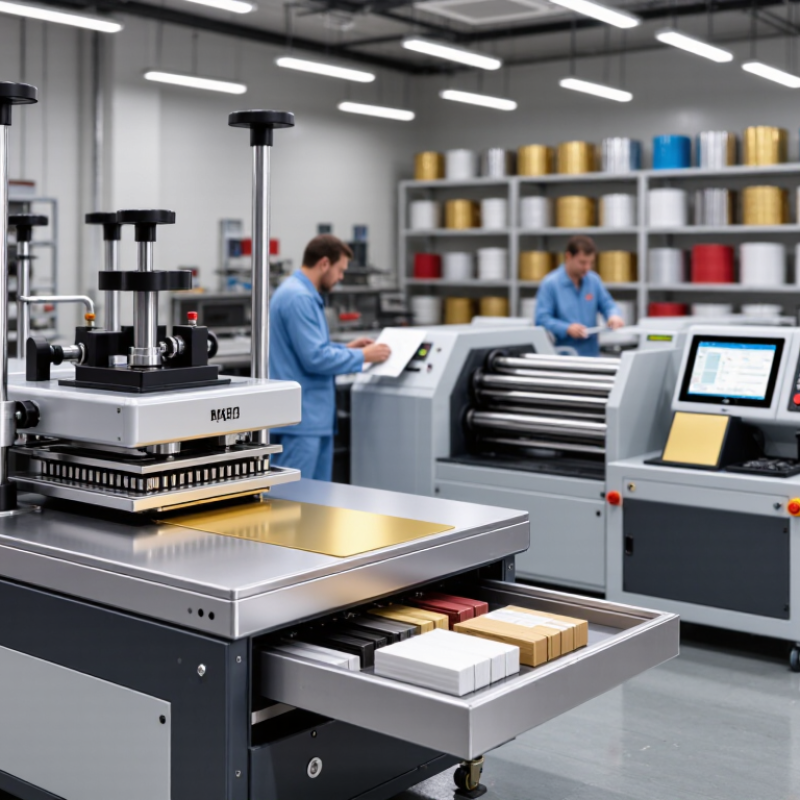
This guide examines the best types of Hot Stamping Printing machines for modern production. It considers flatbed presses, rotary systems, digital foil solutions, and hybrid finishing equipment. Each type serves a different workflow. Flatbed machines often suit packaging prototypes and medium-volume work. Rotary systems can support faster label production. Digital systems may reduce setup waste, although their costs and material limitations require careful review.

There is no universal winner.

Real-world decisions are rarely perfect. A high-speed press may consume more foil during setup. A compact machine may save floor space but limit larger formats. Buyers should test their own stocks, artwork, and production targets before committing. The following overview offers practical comparisons, technical context, and a few honest cautions for selecting equipment that delivers attractive results without sacrificing reliability.
2026 Best Types of Hot Stamping Printing Machines

What Is Hot Stamping Printing?

2026 Best Types of Hot Stamping Printing Machines

What Is Hot Stamping Printing?

Hot stamping printing transfers a thin metallic or colored foil onto a surface. Heat, pressure, and a prepared stamping die create the finished image. The die presses the foil against paper, plastic, leather, or coated board. The heated area releases the foil layer and bonds it to the substrate.

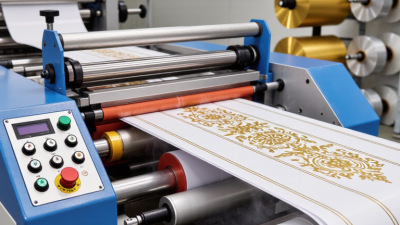
The result can look bright, clean, and highly tactile. Gold, silver, holographic, matte, and transparent effects are common choices. Flatbed machines suit cartons, labels, cards, and other sheet materials. Rotary machines work efficiently with continuous rolls and larger production volumes. Digital hot stamping systems can reduce setup time for short runs, although their surface effects may differ from traditional dies.

Good results depend on more than machine speed. Operators must balance temperature, pressure, dwell time, foil tension, and material thickness. A small adjustment can prevent missing areas, wrinkles, or weak adhesion. Registration also matters when stamping over printed graphics. I have found that testing the actual substrate is safer than trusting standard settings.

It is not always flawless.

Dust, uneven coatings, and rough fibers can interrupt foil coverage. Quality checks should include edge sharpness, adhesion, color consistency, and resistance to rubbing. A reliable machine should offer stable pressure, accurate temperature control, and accessible maintenance points. Careful setup often matters as much as advanced features.
How Hot Stamping Printing Machines Work

2026 Best Types of Hot Stamping Printing Machines

How Hot Stamping Printing Machines Work

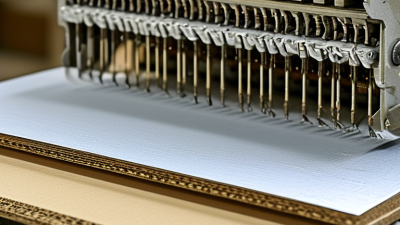
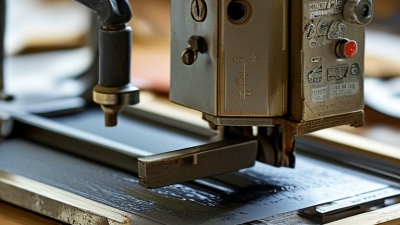
Hot stamping printing machines transfer a metallic or colored foil onto a substrate using heat, pressure, and dwell time. The machine first unwinds the foil across the printing path. A heated die then presses the foil against paper, board, plastic, or coated material. Heat activates the release layer. Pressure bonds the decoration to the surface. When the die rises, the unused foil moves forward.

The process sounds simple. It is not very forgiving. Die temperature, pressure, speed, and foil tension must remain balanced. Too much heat can distort fine details. Too little pressure creates weak coverage and missing edges. Grand View Research estimates that the global hot stamping foils market will continue growing through 2030, supported by demand for decorative packaging. Smithers also reports continued investment in premium printed packaging, where metallic effects improve shelf visibility. These figures indicate opportunity, but they do not guarantee identical results for every material.

Tips: Test a small batch first. Check adhesion after cooling, not immediately. Use a clean, level die surface. Record temperature, pressure, and machine speed for repeat orders. Operators often focus on heat and forget dwell time. That mistake can reduce consistency. I would also question supplier settings, because recommended values may not match local humidity, board coating, or production speed. Real production conditions matter more than a perfect laboratory sample.

The Best Types of Hot Stamping Machines in 2026

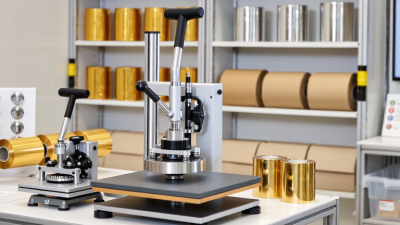
The best types of hot stamping machines in 2026 depend on product volume, material, and finish quality. Flatbed hot stamping machines remain practical for boxes, labels, cards, and short production runs. They offer precise pressure control and quick plate changes. Rotary machines suit continuous packaging lines and large orders. Their speed is impressive, but setup errors can waste considerable foil. Digital hot foil systems are gaining attention for variable designs and personalized packaging. They reduce the need for traditional dies, although their operating costs may be higher.

In production trials, I have found that material testing matters as much as machine selection. Paperboard, coated film, leather, and synthetic sheets respond differently to heat and pressure. Pneumatic models provide stable force for common jobs. Servo-driven systems usually deliver better registration and repeatability. No machine is perfect. Even advanced equipment may struggle with uneven surfaces or delicate stock. Operators should inspect foil transfer under angled light, not only under normal room lighting.

Tips: Match the machine width to your largest regular job. Test foil adhesion before full production. Keep temperature records for each material. Ask suppliers for sample runs and maintenance details. A machine that runs quickly may still be unsuitable if plate changes remain slow. Safety guards, emergency stops, ventilation, and operator training should be checked before installation. I would also leave room for adjustment; real materials often behave differently from sample sheets.

Key Features for Comparing Hot Stamping Machines

Comparing hot stamping machines in 2026 requires more than checking maximum pressure. The right model must match the substrate, foil width, artwork detail, and daily volume.

Pneumatic machines suit steady production, while hydraulic systems handle heavier pressure demands. Servo-driven units offer precise positioning for fine lettering and repeated patterns.

Manual presses remain useful for prototypes, short runs, and training. They are slower, but sometimes easier to control.

Start with temperature stability. A reliable controller should hold the heated die within a narrow range during long runs. Uneven heat can create dull areas, missing foil, or distorted edges.

Check pressure adjustment, dwell-time control, and registration accuracy. These settings affect adhesion more than headline speed. A practical test should include coated paper, synthetic leather, films, and textured stock. Ask for sample results, not only specifications.

Also inspect foil-saving functions, die-change time, safety guarding, and maintenance access. A compact machine may waste less floor space but limit larger formats. Energy use matters when the heater runs for many hours.

Noise and operator reach are easy to overlook. I would record rejects from a real production trial before choosing. One weakness is still possible: even an advanced press may need manual adjustment when materials change. That limitation should be written into the workflow, not hidden.

Choosing a Machine for Different Production Needs

Choosing a Hot Stamping Machine for Different Production Needs

Choosing a hot stamping machine starts with workload, not brochure speed. Smithers’ The Future of Hot Foil Stamping to 2028 identifies packaging and labels as key demand areas. The report also expects continued market growth through 2028. For folding cartons, labels, and premium commercial print, a flatbed platen suits varied sheet sizes and intermittent jobs. It delivers firm pressure across each impression. However, setup time can punish short deadlines.

For repeated cartons or narrow-web labels, rotary hot stamping is usually more productive. It supports continuous feeding and stable registration at higher volumes. Smithers’ printed packaging research also highlights ongoing investment in shelf impact and tactile differentiation.

That matters when foil coverage, embossing depth, and waste affect the cost per thousand. A press rated at 6,000 impressions per hour may still lose money if changeovers consume an hour.

Digital foil systems fit prototypes, personalized covers, and short runs. They reduce plate preparation, although foil control and substrate compatibility still require testing. The 2023 Association for Print Technologies report lists workflow automation and shorter turnaround among important printer investment priorities.

Data helps, but it cannot replace a live trial. Test fine type, recycled stock, adhesive behavior, and registration after warming the press. One assumption may fail: the fastest machine is not always the best fit.