Why Choose an Industrial Printing Machine for Your Business?
In today's competitive market, choosing the right equipment is vital for business success. An Industrial Printing Machine stands out as a key player in enhancing production efficiency. Businesses face increasing demands for quality and speed. An Industrial Printing Machine can meet these demands head-on.
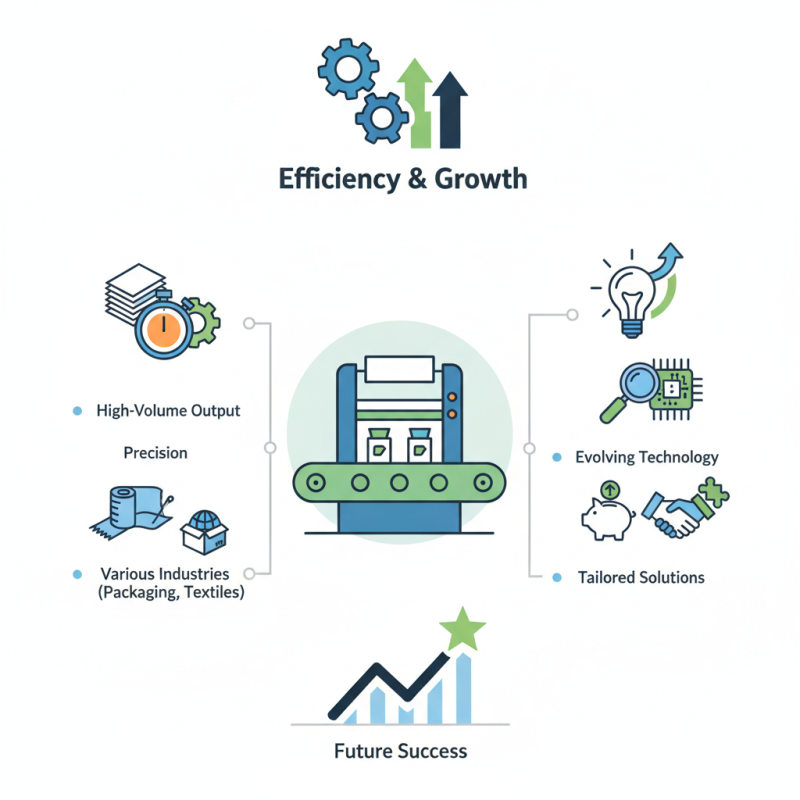
These machines deliver precision and high-volume output. They cater to various industries, from packaging to textiles. As companies strive for innovation, the technology behind these machines evolves rapidly. It's essential to stay informed about the latest advancements. However, navigating these options can be overwhelming.
Not every Industrial Printing Machine fits every business. Factors like budget and specific needs must be considered. A thoughtful approach can lead to significant long-term benefits. Investing in high-quality equipment often pays off. In the end, the right choice fosters growth and sets the stage for future success.
The Importance of Choosing the Right Printing Technology for Your Business
Choosing the right printing technology is crucial for any business. In the industrial sector, precision and efficiency can significantly impact productivity. A report from Smithers Pira states that the global industrial printing market is expected to grow at a CAGR of 6.4% from 2021 to 2026. This growth highlights the importance of adopting advanced printing technologies.
Businesses must consider several factors. Speed, print quality, and material compatibility are essential. For instance, using a digital printing machine can reduce turnaround times by 30%. However, some companies may overlook the long-term cost of maintenance. Upfront savings on cheaper machines can lead to higher operational costs.
Moreover, different industries have unique demands. The textile industry requires machines that handle diverse fabrics without sacrificing quality. In contrast, packaging needs technology that ensures durability and compliance with safety standards. Ignoring these factors can result in lost revenue and inefficiencies. Assessing both needs and capabilities is vital. In this competitive landscape, businesses must be strategic in their choices. Thus, investing in the right industrial printing machine isn't just a choice—it's a necessity for success.
Benefits of Industrial Printing Machines Over Traditional Methods
Industrial printing machines are becoming the preferred choice for many businesses. They offer distinct advantages over traditional printing methods. One key benefit is efficiency. These machines can produce large quantities quickly, reducing lead times significantly. In contrast, traditional methods often require more manual labor and time-consuming setups.
Precision is another factor. Industrial printers use advanced technology for accurate and high-quality output. Traditional methods may lack this level of detail, especially in complex designs. Businesses often find that their branding benefits from the clarity and vibrancy of industrial prints. This attention to detail enhances their market presence.
However, there are challenges. The initial investment in industrial equipment can be high. Not all businesses are ready for that upfront cost. Additionally, training staff to use these machines effectively is crucial. A lack of proper training can lead to errors and decreased productivity. Reflecting on these aspects is important for any business considering a shift from traditional printing.
Why Choose an Industrial Printing Machine for Your Business? - Benefits of Industrial Printing Machines Over Traditional Methods
| Feature |
Industrial Printing Machines |
Traditional Methods |
| Print Speed |
High-speed printing suitable for large volumes |
Slower, less efficient for bulk printing |
| Cost Efficiency |
Lower cost per unit in large runs |
Higher costs for small runs due to setup time |
| Quality of Prints |
Consistent, high-quality output |
Variable quality, may require post-print processing |
| Material Compatibility |
Versatile, can print on various materials |
Limited to specific media types |
| Customization Options |
High level of customization available |
Limited customization based on the method used |
| Environmental Impact |
Often designed to reduce waste |
Higher waste due to inefficiencies |
Key Features to Look for in an Industrial Printing Machine
When choosing an industrial printing machine, key features determine its effectiveness. High-resolution printing is essential for producing vibrant images. Machines with at least 1200 DPI (dots per inch) are recommended. This resolution ensures sharp results for detailed graphics.
Speed is another crucial factor. Reports indicate that machines capable of printing at least 150 pages per minute cater to high-demand environments. Many businesses experience delays when machines cannot keep up with production needs. Investing in faster options may initially seem costly, but it often pays for itself over time.
Durability cannot be overlooked. Machines should withstand continuous workloads, reducing downtime. Those built with robust materials often last longer, minimizing maintenance costs. While a cheaper option may seem appealing, hidden repair expenses and frequent breakdowns can lead to greater costs later. Additionally, consider energy efficiency to lower operational expenses. Systems designed for lower consumption can save significant amounts, aligning with sustainability goals.
Industrial Printing Machine Features Comparison
Factors Influencing the Cost of Industrial Printing Equipment
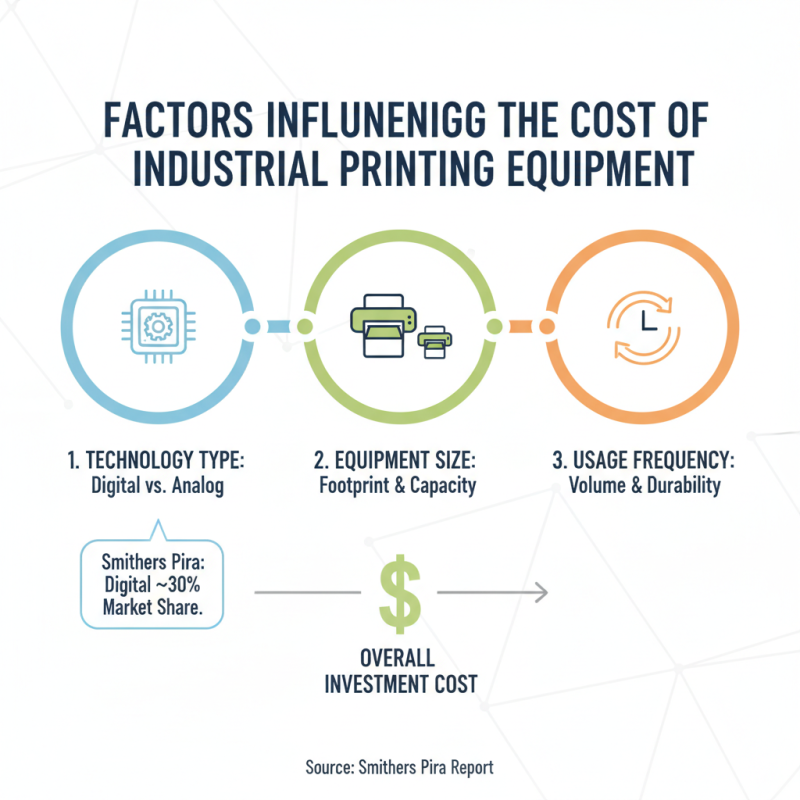
When considering an industrial printing machine, understanding costs is key. Factors like technology type, size, and usage frequency influence the overall investment. A recent report by Smithers Pira notes that digital printing technology has captured around 30% of the market share, reflecting a trend towards advanced capabilities.
The initial purchase price is only part of the story. A machine’s operational cost can vary widely. Maintenance, ink, and substrate pricing significantly impact expenses. According to a study from The Pak Group, ink costs alone can account for over 40% of total printing expenses for businesses. Furthermore, changing materials can introduce unexpected financial challenges.
Efficiency also plays into costs. Machines that offer high-speed production may have higher upfront costs but can save money in the long run. A report by MarketWatch highlights that businesses utilizing automated processes see an average efficiency increase of up to 20%. Yet, this increase often comes with a learning curve, which can initially hinder productivity. Investing in the right equipment requires careful consideration of these nuances.
Applications and Industries That Benefit from Industrial Printing Solutions
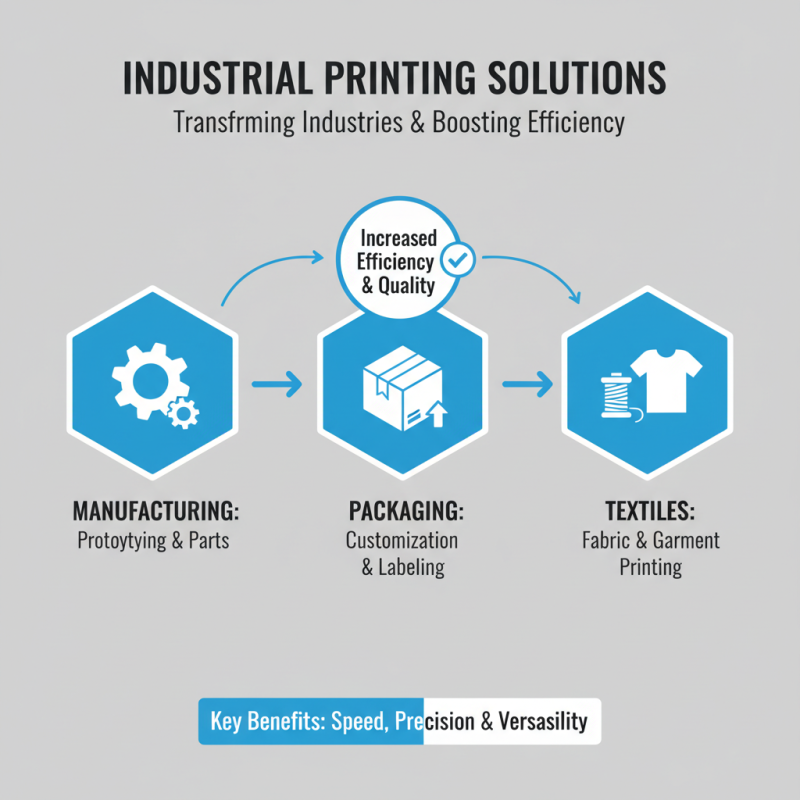
Industrial printing machines are transforming many sectors. Various industries can benefit from these advanced printing solutions. For instance, manufacturing, packaging, and textiles are prime examples. Each sector can leverage these machines to improve efficiency and maintain quality.
In manufacturing, precision is key. Industrial printers provide accurate labeling and part identification. They streamline processes and reduce the risk of error. Accurate prints are vital for compliance and safety. The inclusion of QR codes and barcodes also enhances traceability.
In the packaging industry, customization is crucial. Businesses can print vibrant designs on-demand. The ability to print small quantities without sacrificing quality is a game changer. You can test your designs before a full launch.
Tip: Always consider ink types and their applications. Some inks are more suitable for specific materials. This choice can affect the durability and appearance of your prints.
Textile printing is evolving rapidly. Industrial printers can produce intricate patterns and colors. Quick turnaround times are becoming the norm. However, it's important to balance speed with quality. High-speed printing can sometimes compromise the fabric’s integrity.
Tip: Regular maintenance of printing machines is essential. Schedule inspections to avoid downtime. Keeping your equipment in top shape ensures consistent output.
Investing in industrial printing solutions can greatly enhance these industries. However, it requires thoughtful planning and execution.