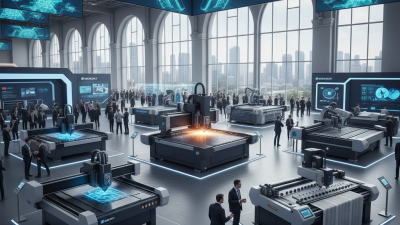
Why Choose the Right Cutting Machine for Your Business Needs?
In the fast-paced world of manufacturing, selecting the right Cutting Machine can make a significant difference. Industry expert David Johnson states, "A Cutting Machine is not just a tool; it is an investment in efficiency." This underscores the importance of careful choice in this critical equipment.
Choosing the right Cutting Machine requires an understanding of your specific business needs. Different machines offer varying capabilities, such as speed and precision. For example, a high-speed laser cutter can enhance productivity, but it may not be suitable for all materials. Assessing these factors is essential for long-term success.
Many businesses struggle with this decision. They may invest in an advanced machine that does not align with their production goals. This misalignment can lead to wasted resources and operational hiccups. A thoughtful approach to selecting a Cutting Machine can mitigate these issues, ensuring that it complements your overall production strategy.
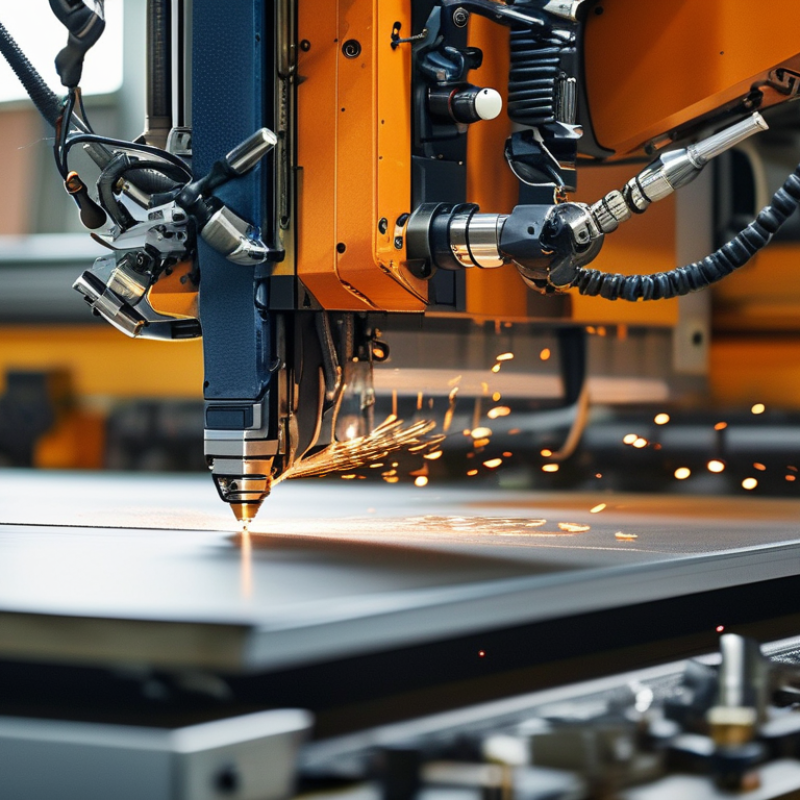
Understanding Different Types of Cutting Machines Available in the Market
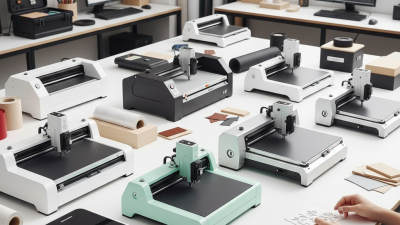
When selecting a cutting machine for your business, understanding the various types is crucial. Cutting machines can vary significantly in terms of function and capacity. For example, laser cutting machines use focused light to slice through materials with precision. They are ideal for intricate designs but may require a higher initial investment.
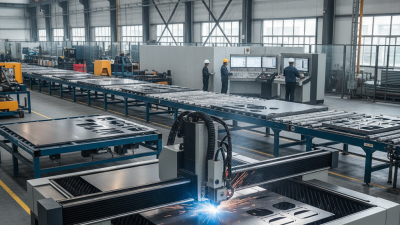
In contrast, rotary cutting machines operate on a different principle. They use knives to cut through materials, making them suitable for thicker substances like fabric or cardboard. It's essential to weigh the advantages of each type against your specific needs. Explore also plasma cutting machines, which are efficient for metalwork. However, they require proper safety measures due to the high temperatures involved.
Such choices should align with your production goals and budget. Each machine comes with its own learning curve and operational requirements. Take time to assess maintenance costs, ease of use, and possible downtime. A poorly chosen machine can lead to inefficiencies and increased operational costs. Evaluating all options helps prevent investing in a solution that doesn't meet your expectations.
Assessing Your Business Needs: Factors to Consider for Cutting Machines
When choosing a cutting machine, assessing business needs is critical. Different industries have unique requirements. A construction firm may need heavy-duty equipment, while a smaller woodworking shop might prioritize precision. Understanding these specifics helps in selecting the right machine.
Consider factors such as material type, thickness, and cutting volume. A machine that handles metal may not perform well on fabric. Look at speed and efficiency as well. Fast-paced environments require machinery that can keep up without sacrificing quality.
Maintenance and support are also key. Regular servicing is essential for performance. Researching service availability ensures that downtime is minimized. Sometimes, businesses overlook these aspects, leading to costly delays. Evaluating both current and future needs can prevent this. Investing time upfront pays off in the long run.
Why Choose the Right Cutting Machine for Your Business Needs?
Evaluating Cutting Machine Performance: Speed, Precision, and Efficiency
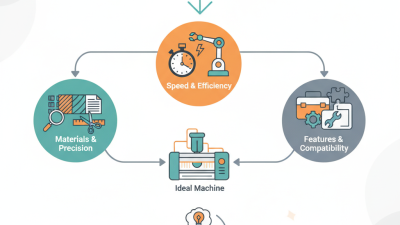
Choosing the right cutting machine is pivotal for businesses that rely on speed, precision, and efficiency. Evaluating performance metrics gives insights into a machine's effectiveness. Speed often takes center stage, but it's important to consider how fast a machine cuts without compromising quality. A machine that operates quickly but lacks accuracy can lead to wasted materials and increased costs.
Precision is equally crucial. A cutting machine must deliver consistent results, especially in industries requiring tight tolerances. Even minor discrepancies can lead to significant issues down the line. Business owners often overlook this aspect. They may prioritize rapid outputs, but this could result in rework and dissatisfied customers.
Efficiency ties together speed and precision. An efficient machine optimizes production time while minimizing waste. However, what seems efficient on paper may not translate into practice. It's essential to assess how a machine performs in real-world conditions. Investing time in monitoring and reviewing machine performance can unveil areas for improvement. Reflecting on these factors helps ensure you choose the right equipment for your specific needs.
Why Choose the Right Cutting Machine for Your Business Needs? - Evaluating Cutting Machine Performance: Speed, Precision, and Efficiency
| Model |
Cutting Speed (m/min) |
Precision (mm) |
Efficiency (%) |
Power Consumption (kW) |
| Model A |
25 |
0.1 |
90 |
1.5 |
| Model B |
30 |
0.05 |
85 |
1.2 |
| Model C |
20 |
0.08 |
80 |
1.8 |
| Model D |
28 |
0.07 |
88 |
1.4 |
Cost vs. Benefit Analysis: Is Investing in the Right Cutting Machine Worth It?
Investing in the right cutting machine can significantly impact your business's efficiency and profitability. Many organizations wrestle with the decision of whether to invest in new equipment. Analyzing costs versus benefits is crucial. A state-of-the-art cutting machine may require a substantial upfront investment. However, it can also reduce operational costs in the long run.
Consider productivity. The right machine can enhance speed and precision. This can lead to fewer material waste and lower labor costs. For instance, a machine that cuts faster may complete tasks in a shorter time frame. Yet, it's essential to ensure this efficiency aligns with your business's specific needs. While advanced technology often impresses, it can create unnecessary complexity.
You might face challenges, such as training staff or integrating the machine into existing workflows. These issues can seem daunting. Moreover, if your team isn't adequately skilled, the benefits may not outweigh the costs. Reflecting on the actual value added by the machine is vital. Sometimes, sticking with an older model may be more practical. Balancing immediate expenses and long-term gains can guide your decisions effectively.
Maintenance and Support: Ensuring Longevity of Your Cutting Machine Choice
Choosing the right cutting machine for your business goes beyond initial investment. Maintenance and support play a vital role in ensuring your machine operates efficiently for years. Regular maintenance prevents breakdowns and extends the lifespan of your equipment. An overlooked aspect is the importance of proper training for staff. It's not just about the machine; it's about how well your team understands it.
Tips: Schedule routine checks for your cutting machine. A simple inspection can identify wear and tear early. This proactive approach saves time and money. Remember, clean the machine after use to avoid debris buildup. It's a small effort for big gains.
Training also cannot be neglected. Ensure that all operators understand the machine's features. This knowledge helps in troubleshooting minor issues swiftly. Document common problems and their solutions, making it a valuable reference for your team. Over time, this builds expertise within your staff, which is crucial for operational efficiency. A well-maintained machine, coupled with knowledgeable operators, will keep your business running smoothly.