How to Choose the Best Automatic Stamping Machine for Your Needs?
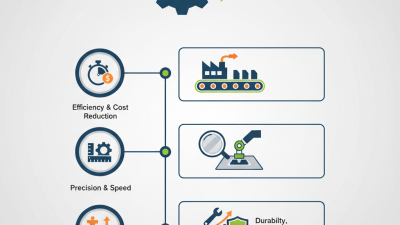
Selecting the right automatic stamping machine is crucial for achieving efficient production. Many businesses overlook the importance of this decision. A well-chosen machine can enhance productivity and reduce operational costs. However, with numerous options available, finding the best one can be overwhelming.
When evaluating automatic stamping machines, consider several factors. These include size, speed, and complexity. Each machine offers distinct features tailored to specific needs. Knowing your production requirements can help narrow your choices. Quality and durability also play key roles. A reliable machine should withstand high-volume use and offer consistent performance.
It’s essential to gather insights from experts and user reviews. Their experiences provide valuable perspectives on machine reliability and serviceability. However, don’t solely rely on online ratings; hands-on demonstrations can offer practical understanding. Balancing cost with features is vital. A cheaper option may lead to higher costs over time due to maintenance and inefficiency. Thus, careful consideration and research are necessary to ensure a strong return on investment.
Understanding the Different Types of Automatic Stamping Machines
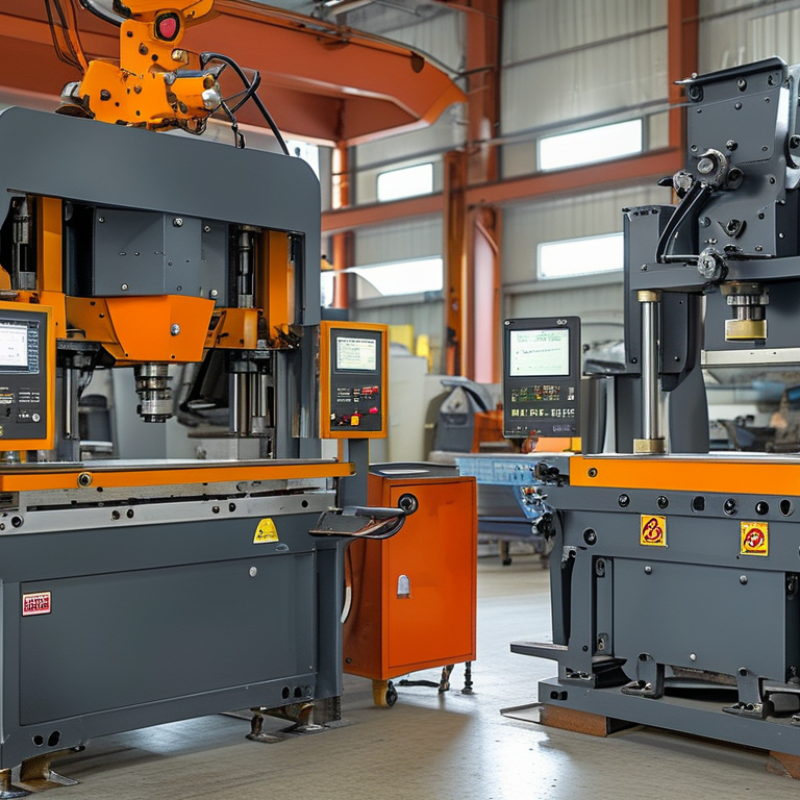
When choosing an automatic stamping machine, it is critical to understand the different types available. Each type serves unique operational needs and environments. For instance, rotary stamping machines excel in fast production rates. They can handle high volumes but may require more space. If your workspace is limited, consider flatbed models. These machines are often more compact and versatile.
Automatic stamping machines also vary in their power sources and capabilities. Hydraulic models are ideal for heavy-duty tasks, delivering strong pressure for thicker materials. Conversely, pneumatic machines are typically lighter and easier to operate. However, they might not provide the same force as their hydraulic counterparts. The decision should align with the specific materials you'll work with.
Reflecting on the type you choose is essential. The learning curve can be steep, especially with advanced technology. Overestimating capabilities can lead to errors. Continuous monitoring of performance ensures the equipment meets your production needs effectively. Don't rush the choice; consider the long-term implications. Establishing a tailored approach will yield better operational efficiency.
Performance Comparison of Different Types of Automatic Stamping Machines
This chart illustrates the production speed of different types of automatic stamping machines, showcasing how each type performs in terms of units produced per hour.
Identifying Your Specific Stamping Needs and Requirements
Choosing the right automatic stamping machine hinges on understanding your unique stamping needs. Take into account the materials you plan to work with. Different machines cater to specific materials, whether it’s paper, metal, or plastic. According to industry reports,
35% of businesses report difficulties in selecting machines that handle diverse materials effectively.
Another critical factor is production volume. If your operations demand high output, opt for machines with faster stamping speeds. Research indicates that businesses utilizing high-speed models can boost production efficiency by up to 25%. This gap often reflects the inadequacy of entry-level machines in handling peak loads.
Consider the level of customization you require. The best machines offer programmable features and adaptability for different designs. This flexibility often influences a machine's longevity and overall value. However, the complexity of features can be overwhelming. Many users underestimate the learning curve involved in adopting advanced technology. A careful assessment of your operational capabilities can lead to more informed decisions.
Evaluating Key Features of Automatic Stamping Machines
When selecting an automatic stamping machine, consider its key features carefully.
Speed is crucial. Some machines can stamp
hundreds of pieces per hour. Think about the volume of work you have. If you need high efficiency, a faster machine is ideal.
However, faster doesn't always mean better. Sometimes, slower machines provide better precision.
Another essential feature is the size and design. Different machines accommodate
various materials. Ensure the machine you choose fits your workspace.
Portability can matter too. A heavy, bulky machine can limit
your operational flexibility. Think about how often you might need to move it around.
User-friendliness is another factor to evaluate. Machines with intuitive controls can save time and
reduce mistakes. Some models offer touchscreen interfaces, making them easier to operate.
Look for machines that require minimal training. Additionally, consider maintenance needs. Machines that are harder to maintain can lead to downtime. Balancing ease of use and quality is vital for long-term satisfaction.
Comparing Costs and Budget Considerations for Your Purchase
When considering the purchase of an automatic stamping machine,
cost is a major factor. Prices can vary significantly based on features and capabilities.
Determine your specific needs before diving into options.
This level of clarity will help you set a realistic budget.
Tips: Always include maintenance costs
in your budget. This will prevent surprises later on. Consider durability as well.
A more expensive machine may save money in the long run because it will last longer and require fewer repairs.
Don't forget about additional costs like training and setup.
Some machines might seem economical upfront but can require significant investment in time and resources.
Balance the initial outlay with long-term value. You may find it beneficial to explore leasing options.
This could be a smart move if you are uncertain about long-term needs.
Researching Manufacturers and Reading Customer Reviews
When selecting the right automatic stamping machine, customer reviews serve as a valuable resource. They provide insights into real user experiences. According to a report by Smith & Co. from 2022, 78% of consumers trust online reviews as much as personal recommendations. This statistic highlights the importance of reviewing feedback from various sources.
Reading through different reviews can illuminate the strengths and weaknesses of specific models. Customers often share details about the machine's efficiency, ease of use, and maintenance requirements. A prominent finding by the Machinery Evaluation Group in 2021 indicated that 65% of users faced issues with durability in low-cost models. This suggests that cheaper options may lead to higher long-term costs due to frequent repairs. Noting these specific experiences is crucial for making an informed decision.
Investigating a manufacturer’s reputation also matters. Experts recommend looking for companies with a track record of excellent customer service. The 2023 Industry Standards Report noted that 85% of satisfied customers cited responsive support as a key factor in their purchase decisions. Consider checking if the manufacturer addresses issues raised in reviews. This observation can provide a glimpse of their commitment to quality and customer satisfaction.
How to Choose the Best Automatic Stamping Machine for Your Needs?
| Feature |
Description |
Rating (out of 5) |
Price Range (USD) |
| Stamping Speed |
Machines can stamp up to 1000 pieces/hour. |
4.5 |
$1,200 - $3,500 |
| Ease of Use |
User-friendly interface with touchscreen controls. |
4.7 |
$1,800 - $4,000 |
| Durability |
Heavy-duty construction for long-lasting use. |
4.6 |
$2,000 - $5,000 |
| Customization Options |
Ability to customize stamping designs and sizes. |
4.8 |
$2,500 - $6,000 |
| Warranty & Support |
Comes with a 1-year warranty and 24/7 support. |
4.9 |
$1,500 - $4,500 |