How to Use Hot Foil Stamping for Stunning Product Packaging?
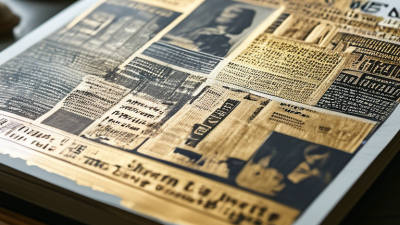
When it comes to product packaging, first impressions matter. Hot Foil Stamping is an innovative technique that elevates your packaging's visual appeal. This method applies metallic foil to surfaces, creating striking designs that catch the eye. Brands can use Hot Foil Stamping to convey luxury and sophistication, making products stand out on crowded shelves.
Using this technique, you can enhance logos, typography, or even intricate patterns. Imagine a sleek black box adorned with gold foil lettering. The effect is immediate; it wraps your product in elegance and draws customers in. However, the process has its challenges. Achieving perfect precision requires expertise, and mistakes can be costly. It's essential to consider design elements carefully to avoid misalignment or unwanted impressions.
Exploring Hot Foil Stamping opens new creative avenues. Yet, experimentation should be balanced with practical limitations. Not every design translates well into foil. Understanding your brand's identity and audience is critical for success. In attempting to push creative boundaries, some may overlook the fundamentals of packaging. This is where reflection on design choices becomes vital.

Understanding Hot Foil Stamping: Basics and Techniques
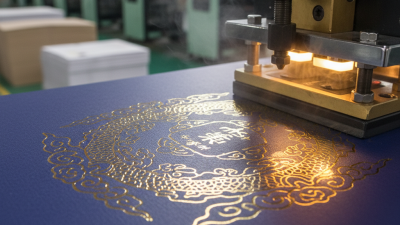
Hot foil stamping is a versatile technique that enhances product packaging. It involves transferring metallic foil onto a substrate using heat and pressure. This method creates a striking visual contrast, attracting customer attention. According to a report by Smithers Pira, the global market for specialty printing, including foil stamping, is projected to reach $11 billion by 2025, reflecting a growing demand for these visually stunning effects.
Mastering the basics of hot foil stamping requires an understanding of the materials used. Foils come in various colors, finishes, and textures. Some are metallic, while others can provide holographic effects. The right choice can elevate packaging, making it memorable. However, achieving the perfect finish can be challenging. Factors like substrate compatibility and temperature control play a significant role in the success of the process. Reports indicate that misapplication rates can reach 20% in complex designs.
Technique also matters significantly. Proper alignment and pressure must be maintained throughout the stamping process to prevent misprints and waste. While many designers embrace this technology, they often overlook the importance of testing and prototyping. Inconsistent results can lead to costly errors in production. The learning curve in perfecting these skills can be steep, but the end result often justifies the effort.
Hot Foil Stamping Techniques and Their Popularity
Essential Materials Needed for Hot Foil Stamping in Packaging
Hot foil stamping can elevate product packaging to a new level. To achieve stunning results, having the right materials is essential. One of the most important components is a high-quality foil. Foils come in various colors and finishes, including metallic and matte. Choosing the right foil can make a significant impact on the overall look of your packaging.
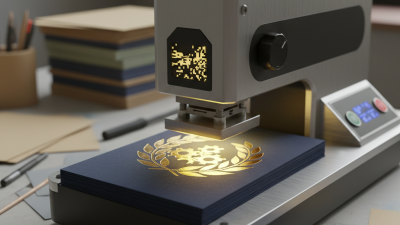
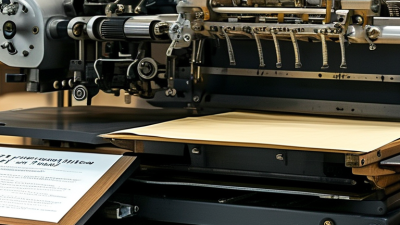
In addition to foil, you will need a hot foil stamping machine. These machines vary in size and capability. Some are manual, while others are automated. The choice depends on the scale of your production. Another key material is the stamp itself. Creating a detailed stamp can be challenging, but it’s vital for achieving intricate designs. Consider the substrate, too; different materials react uniquely to heat and pressure.
Lastly, ensure you have the right tools for the job. A good heat press and proper chilling equipment are crucial for a smooth process. Many beginners overlook these details, which can lead to frustrating results. Testing on sample materials can help avoid costly mistakes. It’s a learning curve that often requires patience and fine-tuning.
Step-by-Step Process for Achieving Perfect Hot Foil Stamping
Hot foil stamping can elevate product packaging. This technique adds a luxurious finish that catches the eye. With careful planning, you can achieve stunning results.
Begin by choosing the right materials. The type of foil and substrate is crucial. Ensure that the foil adheres well to the surface. Test different combinations to see what works best. It may take several attempts. Don't be discouraged if it doesn't turn out perfectly on the first try.
Next, set up your stamping press. Adjust the heat and pressure settings according to the foil type. It’s essential to find the right balance. Too much heat can damage the substrate. Too little may prevent proper adhesion. Pay close attention to the timing. Practice makes perfect here. Monitor each batch for consistency. You'll notice improvement as you refine your technique.
How to Use Hot Foil Stamping for Stunning Product Packaging? - Step-by-Step Process for Achieving Perfect Hot Foil Stamping
| Step No. |
Process Step |
Description |
Materials Needed |
| 1 |
Design Creation |
Create a design file with the desired foil stamped elements. |
Graphic design software |
| 2 |
Select Foil |
Choose the color and type of foil that suits your packaging. |
Hot foil sheets |
| 3 |
Setup Machine |
Prepare the hot foil stamping machine according to the specifications. |
Hot foil stamping machine |
| 4 |
Test Run |
Conduct a test run to ensure proper foil transfer. |
Scrap material for testing |
| 5 |
Apply Foil |
Execute the stamping process on the final product. |
Final packaging material |
| 6 |
Quality Check |
Inspect the stamped area for consistency and quality. |
Quality control checklist |
Creative Design Ideas to Enhance Product Packaging with Foil Stamping
Foil stamping can elevate product packaging, making it more appealing. This technique adds a metallic finish, capturing attention immediately. Using different colors and patterns can create striking contrasts. A simple design with foil accents can seem luxurious and sophisticated. For instance, metallic gold or silver on a matte background can make a product feel premium and high-end.
Try mixing textures with foil stamping. Combine embossed elements with foil to create depth. A rough, textured paper can contrast beautifully with smooth foil. This blend provides a tactile experience that enhances customer interaction. Think about using foil on specific features, like logos or taglines. This makes key information stand out and reinforces branding.
Be mindful of design choices. While foil stamping can add glamour, too much can overwhelm. Aim for a balance that highlights your main message. Use foil sparingly to enhance important elements without cluttering the overall look. Consider testing different foil finishes and textures. Learning from these experiments can lead to better design outcomes. Breathing life into your packaging through foil stamping can be a rewarding journey.
Common Mistakes to Avoid in Hot Foil Stamping Projects
Hot foil stamping can elevate your product packaging, but it's essential to avoid common pitfalls. Many designers overlook the importance of choosing the right foil type. Not all foils are suitable for every material. For instance, using a foil meant for paper on plastic may cause mismatched adhesion. This leads to unsightly peeling or incomplete impressions. Take the time to test foils on various substrates. A small sample run can save significant headaches later.
Another mistake is not considering the design intricacies. Simple designs often lead to better results. Intricate patterns may not hold up during the stamping process, resulting in blurred or incomplete designs. Additionally, ensure the foil and stamping plate are adequately aligned. Misalignment can cause wasted materials and poor-quality finishes. Regular calibration of stamping equipment is crucial. It’s easy to overlook, but neglecting equipment upkeep can lead to preventable errors.
Lastly, be mindful of the curing time. Rushing this aspect might seem tempting, but it can severely affect the overall quality. Foils need to cool to set properly. Inadequate time may cause artwork to smudge or fade. Provide adequate drying time to achieve that stunning finish. Consistent evaluation of your process will allow for improvement. A willingness to adapt can guide you toward achieving better results in future projects.