Top 10 Die Cutting Machines for Efficient Production?
Die Cutting Machines play a crucial role in the manufacturing sector. According to a report by Smithers Pira, the global die-cutting market reached $20.6 billion in 2020. This figure is expected to expand significantly, driven by rising demand across various industries. Textile, packaging, and craft sectors heavily rely on these machines for precise cutting.
Efficiency is a key focus in modern production. Businesses seek machines that minimize waste and maximize output. However, not all die-cutting machines are created equal. Many operators face challenges, such as maintenance issues and the need for skilled labor. Choosing the right die-cutting machine can greatly affect production speed and quality.
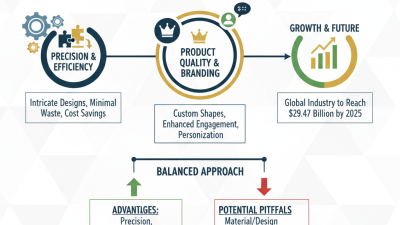
Investing in advanced technology is essential. A report from Technavio indicates that the market for automated die-cutting machines will grow by over 25% in the next five years. Yet, companies must also consider their unique needs. Finding the balance between automation and human oversight is critical. Companies need to evaluate their options carefully to ensure optimal performance and reliability.
Overview of Die Cutting Machines and Their Applications
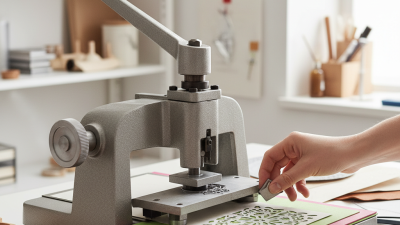
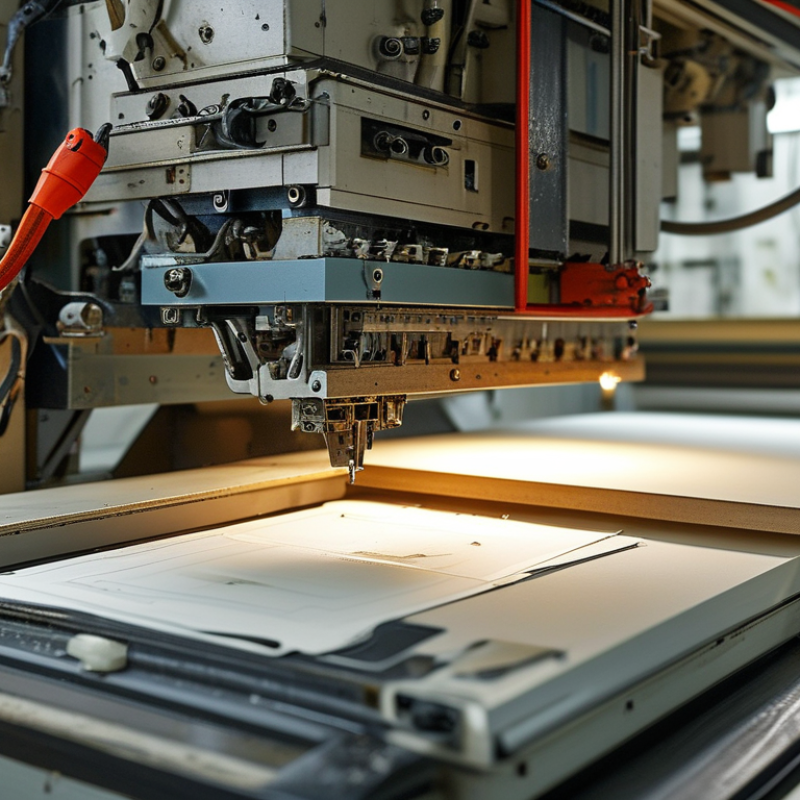
Die cutting machines play a crucial role in various industries, from packaging to crafting. These machines efficiently cut materials into specific shapes, improving production speed and accuracy. According to a report by Smithers Pira, the global die-cutting market is expected to reach $1.2 billion by 2025, reflecting an increasing demand for precision cutting technologies.
Applications of die cutting are diverse. In the packaging industry, these machines create custom boxes and labels. The textile industry uses die cutting for patterns in clothing and upholstery. Additionally, the automotive sector relies on die-cut components for insulation and gaskets. However, many companies struggle with selecting the right machine to meet their evolving needs. A gap exists between understanding potential applications and implementing the latest technologies effectively.
Choosing a die cutting machine requires careful consideration. Factors like production volume, material types, and design complexity all influence the decision. A common oversight is focusing too much on initial costs rather than long-term efficiency gains. Businesses often discover that investing in a higher quality machine can reduce waste and improve throughput over time. Therefore, aligning production goals with the right die cutting technology is essential for success.
Key Features to Consider When Choosing a Die Cutting Machine
When choosing a die cutting machine, consider several key features that can impact your production efficiency. One crucial aspect is the machine's cutting force. This determines how thick of a material it can cut. Higher cutting force allows for more versatility in materials, which is ideal for mixed media projects.
Speed is another vital feature. A machine that operates quickly can dramatically increase output, especially in high-demand environments.
Additionally, the ease of use can make a significant difference. A user-friendly interface with intuitive controls streamlines the process. Look for machines that offer adjustable settings, allowing you to customize cuts for different projects. This adaptability can lead to improved precision but may require some trial and error to master. Always assess the warranty and support options, as these reflect the manufacturer's confidence in their product.
Maintenance is often overlooked, yet it's essential for long-term reliability. Regular upkeep can prevent mechanical failures. Consider how easy the machine is to clean or replace parts. Some models may appear robust initially but can falter under constant use if not properly maintained. Balance your priorities with the specific tasks you'll undertake to find the best match for your needs.
Top 10 Die Cutting Machines for Various Production Needs
When considering die cutting machines, different production needs must be met effectively. According to a recent industry report by Smithers Pira, the global die cutting machine market is projected to reach over $10 billion by 2025. This growth highlights the importance of selecting the right machine tailored for specific tasks.
For businesses focused on precision, digital die cutting machines are essential. They offer accurate cuts for intricate designs, making them ideal for packaging and high-quality prints. Conversely, rotary die cutting machines are better suited for high-volume tasks. They streamline production, especially in industries like textiles and automotive, where speed is crucial.
However, choosing the right machine can be challenging. Factors include production volume and material types. Some machines may struggle with thicker materials, leading to inefficiencies. A lack of compatibility can hamper output. Therefore, assessing specific production requirements is vital for success. Businesses must engage with trusted sources and seek expert recommendations to determine the best fit.
Top 10 Die Cutting Machines for Various Production Needs
Comparative Analysis of Performance and Efficiency
In the world of die cutting, performance and efficiency are crucial. Evaluating machines requires attention to key factors like speed and precision. Some machines excel in producing intricate patterns while others are built for volume. It's essential to assess output quality alongside speed. A fast machine may compromise details, resulting in waste.
User experiences vary widely. Some operators appreciate ease of use, while others crave versatility. It’s common for a highly rated machine to underperform for specific tasks. Finding the right balance between power and precision can be challenging. Thorough testing in real-world settings often uncovers these discrepancies.
Different materials also affect performance. A machine may struggle with thicker substrates, demanding more adjustments. Assessing various user reviews sheds light on these situations. Patterns of common issues emerge, revealing a need for better design in some models. Efficiency isn't just about speed; it's about consistent quality across diverse applications.
Top 10 Die Cutting Machines for Efficient Production
| Machine Model |
Max Cutting Size (inches) |
Cutting Speed (inches/min) |
Power Rating (W) |
Weight (lbs) |
Efficiency Rating (1-10) |
| Model A |
12 x 12 |
50 |
600 |
20 |
9 |
| Model B |
10 x 15 |
45 |
750 |
25 |
8 |
| Model C |
14 x 14 |
55 |
500 |
18 |
10 |
| Model D |
16 x 20 |
40 |
800 |
30 |
7 |
| Model E |
12 x 12 |
60 |
650 |
22 |
9 |
Maintenance and Best Practices for Die Cutting Machines
Maintaining die cutting machines is essential for optimal performance. Regular inspections can identify wear and tear, ensuring machines operate smoothly. Replace worn dies promptly to avoid production delays. Clean the machines thoroughly to prevent dust build-up, which can hinder efficiency.
Proper lubrication is key in maximizing machine longevity. Use the recommended lubricants and apply them regularly. Over-lubricating can cause issues; too little leads to friction and damage. Always follow the manufacturer's guidelines for best results.
Training operators is equally important. A well-trained team understands machine functioning and maintenance needs. Encourage them to report any unusual noises or vibrations, as these can indicate underlying problems. Regular training sessions can refresh their knowledge and techniques, resulting in fewer operational issues.