Choosing the best Hot Foil Printing Machine in China requires more than comparing catalogue prices. Buyers must examine foil transfer quality, registration accuracy, production speed, energy use, and after-sales support. A machine may look impressive in a showroom. Its performance can change under real factory conditions.
Industry reports provide useful context. Smithers’ The Future of Global Printing to 2028 identifies packaging, labels, and premium finishing as important areas for print suppliers. These sectors increasingly demand metallic effects, fine text, and consistent short-run production. Data from the China Printing Technology Association also reflects China’s strong manufacturing base and expanding printing equipment capabilities. However, national production strength does not automatically prove that one supplier offers the best machine.
The practical test is more specific. Can the system foil a textured paper box without wrinkles? Can it maintain registration across 5,000 cartons? Does the manufacturer provide local engineers, spare parts, and documented maintenance intervals? These details matter more than a polished demonstration.
Real factories are rarely perfect. Dust appears. Material thickness changes. Operators make adjustments. Therefore, this guide compares leading Chinese machines through measurable criteria, including stamping pressure, heating control, die compatibility, waste rates, and verified customer experience. It also considers international safety expectations and responsible manufacturing practices. Readers will find a balanced view of machine capability, supplier reliability, and application fit. The top choice may not be the fastest model. It may be the machine that performs consistently every working day.
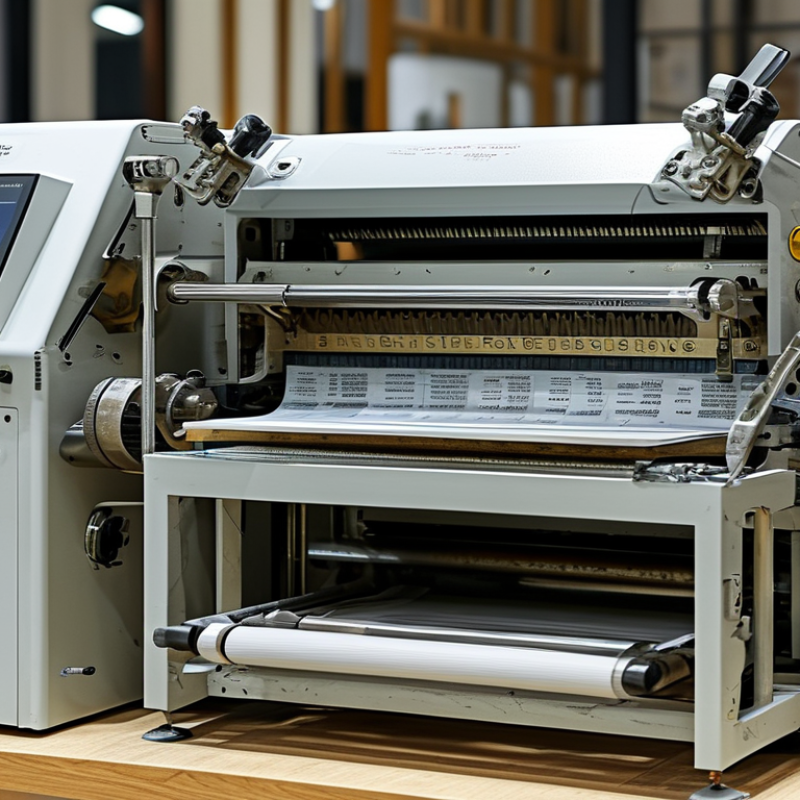
What Is the Top Hot Foil Printing Machine in China?
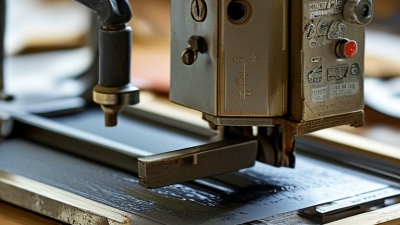
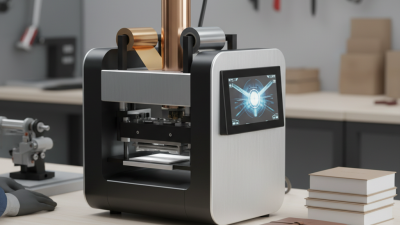
A hot foil printing machine transfers metallic or colored foil onto paper, leather, plastic, or coated boards. It uses heat, pressure, and a stamping die to bond the foil to a surface. The heated die presses through the foil layer, leaving a sharp image, logo, or decorative line. Some machines use flatbed stamping, while others support roll-to-roll production. The right choice depends on material thickness, artwork size, production speed, and registration accuracy.
When comparing machines made in China, inspect the heating system and pressure control carefully. Stable temperature helps prevent dull foil, weak adhesion, and uneven edges. A practical test should include fine text, solid areas, and curved surfaces. Ask for sample production with your actual material. A machine may look impressive in a showroom but perform differently during longer runs. That detail is easy to overlook.
Tips: Check temperature stability before buying. Confirm the working area and maximum stamping pressure. Review spare-part availability and operator training. Keep the die clean and allow enough heating time. Excessive pressure can flatten delicate materials. Insufficient heat may leave patchy transfer marks. I would also record test results instead of trusting one successful sample. Even a strong machine can need adjustment.
The following table compares common hot foil printing machine categories by practical performance, operating range, and suitable applications. Actual specifications may vary according to machine configuration, material, foil type, and production requirements.
| Machine Category | Typical Working Area | Typical Production Speed | Heating Temperature | Foil Feeding Method | Suitable Materials | Typical Applications |
|---|---|---|---|---|---|---|
| Manual Hot Foil Stamping Machine | Up to approximately 150 × 200 mm | About 100–300 impressions per hour | Approximately 80–180°C | Manual or intermittent feeding | Paper, card stock, coated paper, leather, and thin plastics | Samples, short runs, invitations, labels, and craft products |
| Pneumatic Hot Foil Stamping Machine | Approximately 150 × 200 to 300 × 400 mm | About 500–1,200 impressions per hour | Approximately 80–200°C | Pneumatic or semi-automatic feeding | Paperboard, synthetic leather, PVC, coated fabric, and wood veneer | Packaging, notebooks, folders, cosmetic boxes, and promotional items |
| Hydraulic Hot Foil Stamping Machine | Approximately 300 × 400 to 600 × 800 mm | About 300–900 impressions per hour | Approximately 80–220°C | Automatic or roll-to-roll feeding | Heavy card stock, leather, rigid plastics, wood, and molded components | Large-format packaging, leather goods, signage, and industrial marking |
| Roll-to-Roll Hot Foil Stamping Machine | Web widths commonly from 100 to 500 mm | Approximately 10–40 m/min | Approximately 80–180°C | Continuous web feeding | Paper rolls, film, labels, flexible packaging, and adhesive materials | Labels, flexible packaging, decorative film, and continuous printed webs |
| Automatic Flatbed Hot Foil Stamping Machine | Approximately 320 × 450 to 760 × 1,060 mm | About 2,000–6,000 sheets per hour | Approximately 80–200°C | Automatic sheet feeding with programmable foil advance | Paperboard, coated sheets, plastic sheets, and synthetic materials | Commercial printing, premium cartons, book covers, certificates, and labels |
| Digital Foil Transfer System | Varies by digital printer configuration | Typically 10–30 m² per hour | Usually controlled by the transfer unit or laminating process | Digital image-based transfer | Coated paper, synthetic sheets, films, and selected flexible substrates | Variable-data packaging, personalized cards, short-run labels, and prototypes |
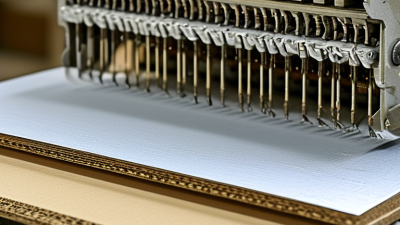
What Is the Top Hot Foil Printing Machine in China?
How Does Hot Foil Printing Technology Work?
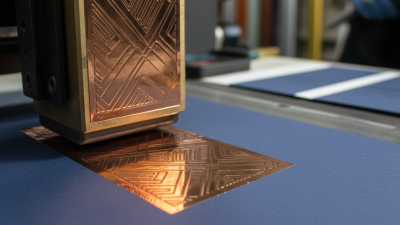
Hot foil printing uses heat, pressure, and a thin decorative foil. A heated die presses the foil against paper, cardboard, plastic, or coated material. The heat activates the foil’s release layer. Pressure then bonds the metallic or colored layer to the surface.
The process begins with artwork converted into a metal die. The machine raises the die to a controlled temperature, often adjusted according to the foil and substrate. A foil roll moves between the die and the material. When the die closes, selected areas receive the finish. The carrier film then separates, leaving sharp details behind.
Small changes matter. Too much heat can blur fine lines or wrinkle the foil. Too little pressure may create broken lettering. In production testing, the first setting is rarely perfect. Operators should check foil adhesion, edge definition, registration, and surface damage under consistent lighting. Paper with heavy texture may need a different pressure profile. Smooth coated stock usually shows brighter results.
Modern equipment may combine digital controls, automatic foil feeding, and adjustable dwell time. These features improve repeatability, but they do not replace careful setup. Dust, uneven stock, and worn dies still affect quality. A reliable machine should offer stable temperature control, accurate pressure adjustment, accessible maintenance points, and documented safety procedures. The best choice depends on material range, order volume, image detail, and required finish—not appearance alone.
Hot foil printing transfers a metallic or pigment layer when a heated die presses the foil against the substrate. The temperature ranges below are typical starting points for production setup; the final setting depends on foil type, substrate coating, pressure, and dwell time.
China’s leading hot foil printing machines are defined by controlled performance, not impressive brochures. In real production, stable foil transfer matters more than peak speed. A reliable machine keeps temperature steady across the platen. It also maintains even pressure from the first sheet to the last.
Precise registration is another essential feature. Optical sensors can detect sheet position before each impression. This helps protect fine text, thin lines, and small decorative areas.
Adjustable dwell time supports different papers, films, and coated surfaces. Quick-change tooling also reduces setup delays between jobs. That saves material and operator time.
The best systems include clear touch controls, fault alarms, and accessible maintenance points. Operators should reach heaters, rollers, and foil paths without awkward dismantling. Safety guards and emergency stops must be practical, not decorative. Documented testing, training support, and responsive technical service add real credibility.
No machine is perfect.
A specification sheet can still mislead. I would test registration after several hours, not only during a short demonstration. Foil waste, noise, cleaning time, and power consumption deserve equal attention.
A strong machine should produce clean edges under ordinary factory conditions, even when humidity changes slightly. That practical consistency often defines China’s leading foil printing equipment.
Hot foil printing machines serve industries that need visible detail, tactile appeal, or stronger shelf recognition. Folding-carton producers use them for cosmetics, premium food, beverages, and personal-care packaging. The process applies metallic or colored foil to paperboard, labels, and coated stock. Fine lines, raised effects, and controlled registration can make a small package feel more valuable.
According to Smithers’ The Future of Global Printing to 2028, digital print value is projected to rise from about US$136.7 billion in 2023 to US$230.5 billion by 2028. This growth supports short-run packaging and customized foil work. Label converters also use hot foil equipment for wine labels, pharmaceutical cartons, and security-focused documents. In these applications, consistent pressure matters. Poor pressure can leave broken lettering or uneven shine.
Book publishers use foil on covers, journals, and certificates. Electronics and gift-product manufacturers may add foil to boxes when surface presentation affects purchase decisions. The global hot stamping foil market was valued at approximately US$1.25 billion in 2024, according to Mordor Intelligence, which forecasts continued growth through 2029. However, market estimates differ by research method. That matters.
In production, the best machine depends on substrate, run length, foil width, and registration tolerance. A fast machine is not always the right machine. Operators must test heat, dwell time, and pressure before full production. Small defects often appear only after several hundred sheets. That is easy to underestimate.
Choosing the top hot foil printing machine in China starts with your material, not a sales ranking. A machine for coated paper may struggle with textured card, synthetic labels, or narrow packaging webs. Compare foil temperature range, stamping pressure, cycle speed, and maximum working area. Ask for verified samples using your actual paper, foil, line speed, and artwork.
The transfer should show solid coverage, sharp edges, and stable adhesion after handling. Tiny details matter. Check whether operators can adjust heat and pressure without complex tools. Registration accuracy also matters when foil must align with printed text or fine patterns.
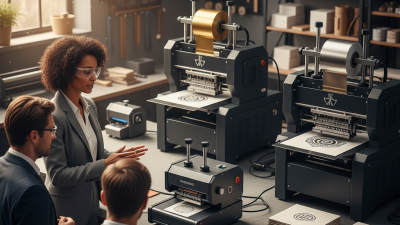
When comparing Chinese suppliers, request a complete specification sheet and a recorded test using your materials. Confirm control systems, sensor accuracy, electrical requirements, compatible foil sizes, and tooling limits. Do not judge quality from polished videos alone. A live factory test, inspection record, and customer references offer stronger evidence. Review warranty coverage, spare-part availability, remote support, and operator training. Calculate total ownership cost, including installation, molds, energy use, and downtime. A cheaper machine can become expensive when replacement parts arrive slowly. I would also inspect cable routing, guarding, and maintenance access during a factory visit. No machine is perfect. Ask what commonly fails, how it is repaired, and how often adjustments are needed. That answer may reveal more than a brochure.