Leave Your Message

How to Choose a Foil Stamping Machine in 2026?

Choosing a Foil Stamping Machine in 2026 requires more than comparing speed, price, and polished product images. The right decision connects machine performance with substrate, artwork, production volume, and operator skill. Smithers’ The Future of Global Printing to 2028 highlights continued demand for premium packaging, labels, and specialty print effects. This trend makes foil quality increasingly important, especially for luxury cartons, cosmetics, wine labels, and security-conscious brands.

Start with the material.

Paperboard thickness, film structure, surface coating, and recycled fiber content can change stamping results. A machine that performs well on coated board may struggle with textured kraft stock. Temperature control, pressure stability, foil-saving systems, and registration accuracy deserve careful testing. PMMI industry reports also identify automation, energy efficiency, and shorter changeover times as major packaging-equipment priorities. These factors affect labor costs and daily output, not just technical specifications.

A practical evaluation should include real production samples. Ask suppliers to stamp your smallest type, finest lines, and darkest solid areas. Inspect the foil under angled light. Watch for pinholes, uneven transfer, wrinkles, and weak adhesion. A perfect machine does not exist. Some specifications look impressive but become less useful during frequent job changes. Reports offer valuable direction, yet they cannot replace a pressroom trial. In 2026, the strongest choice will balance reliable output, service availability, digital controls, and total ownership cost. The cheapest machine may become expensive when downtime, wasted foil, and difficult maintenance enter the calculation.
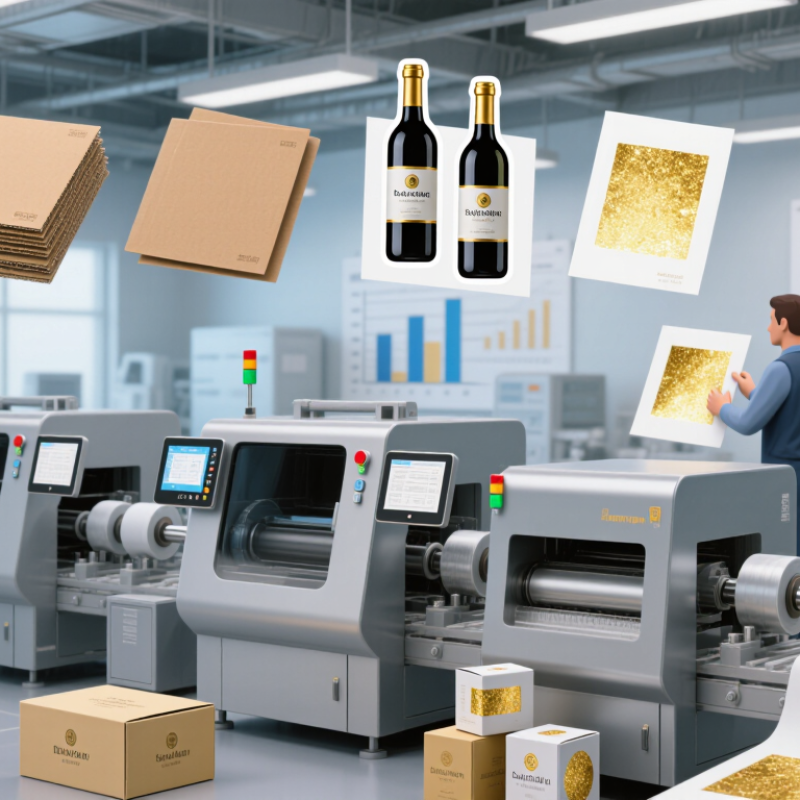
How to Choose a Foil Stamping Machine in 2026?

Understanding Foil Stamping Machines and Their Main Applications

How to Choose a Foil Stamping Machine in 2026?

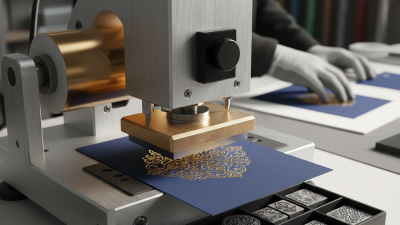
Understanding the machine’s working method is essential before comparing specifications. Hot foil stamping uses heat, pressure, and a heated die to transfer metallic or colored foil. Cold foil systems use adhesive and curing equipment instead. Each method suits different materials, finishes, and production volumes. The choice depends on the substrate, required detail, and acceptable setup time.

Foil stamping machines serve many applications. Packaging producers use them for cartons, gift boxes, and premium labels. Printers apply foil to book covers, invitations, certificates, and business cards. Industrial converters may decorate plastic parts or coated panels. Fine lettering needs stable pressure and accurate registration. Large solid areas need consistent heat distribution. A test sample reveals more than a catalog.

In 2026, useful features include digital temperature control, programmable pressure, servo-driven feeding, and energy monitoring. Check the machine’s working size and compatible foil widths carefully. Ask how quickly operators can change dies and materials. Maintenance access matters. I have seen impressive machines lose productivity because cleaning was awkward. That mistake is easy to miss. Examine waste levels, noise, guarding, and emergency controls during a live demonstration. A lower purchase price may hide higher labor costs. Still, automation is not always better; inexperienced operators may need simpler controls and clearer feedback. Choose measurable performance over attractive claims.
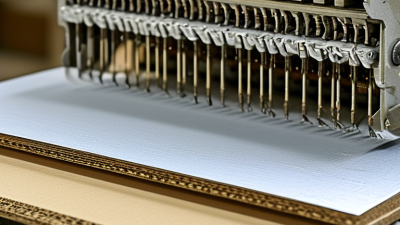
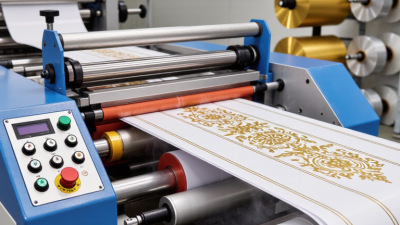
Assessing Materials, Foil Types, and Stamping Quality Requirements

Choosing a foil stamping machine in 2026 starts with the substrate, not the machine frame. Paperboard, coated paper, synthetic labels, and laminated films absorb heat differently. A thick carton may need steady pressure and longer dwell time. A delicate film may wrinkle under the same settings. My first equipment shortlist ignored this difference. That was a costly assumption.

Foil selection also affects the result. Metallic foil creates sharp contrast on dark stock, while pigment foil often suits textured paper. Holographic foil demands tighter registration and cleaner die alignment. Smithers estimates global packaging printing will exceed US$500 billion by 2028, increasing demand for consistent embellishment on short and varied runs. The market is growing. Quality expectations are less forgiving.

Define measurable requirements before comparing machines. Check registration tolerance, temperature stability, maximum sheet size, pressure range, and changeover time. For labels, inspect fine lettering under magnification. For cartons, test solid coverage across creases and edges. The FSEA’s industry guidance emphasizes process control, including consistent heat, pressure, and dwell time. In practice, a machine that runs quickly may still waste material through uneven transfer. That part is easy to underestimate. Request sample trials using your actual stock and foil. Record defects, setup time, and repeatability. The result may challenge your original preference.

How to Choose a Foil Stamping Machine in 2026?

Assessing materials, foil types, and stamping quality requirements

Material, Foil, Machine, and Quality Selection Guide
Application Typical Substrate Recommended Foil Type Suitable Machine Format Typical Temperature Range Typical Pressure Requirement Recommended Operating Speed Key Stamping Quality Requirements
Luxury paper packaging Coated paperboard, 250–600 g/m²; smooth, low-porosity surface Metallic pigment foil Color foil Flatbed or cylinder hot foil stamping machine 90–130°C Medium to high; adjusted to board stiffness and die area 15–40 strokes/min for detailed work Clean solid coverage, sharp edges, minimal pinholes, and no excessive embossing. Register tolerance should generally remain within ±0.2–0.3 mm for premium packaging.
Paper labels and folding cartons Uncoated or coated paper and carton stock, 80–350 g/m² Metallic foil Pigment foil Holographic foil Sheet-fed flatbed machine or integrated printing-line unit 85–125°C Low to medium; excessive pressure may crush paper fibers 30–80 strokes/min Uniform transfer across text and line elements, stable registration, low set-off, and consistent appearance from the first sheet to the last.
Book covers and greeting cards Coated board, laminated paper, art paper, and textured cover stock Metallic foil Matte pigment foil Diffraction foil Flatbed hot stamping machine with interchangeable chase or die system 95–135°C Medium; textured surfaces may need increased dwell or pressure 20–60 strokes/min Complete transfer over textured areas, controlled gloss contrast, no surface scratching, and clear reproduction of fine lettering.
Plastic cards and synthetic sheets PVC, PET, PP, synthetic paper, and laminated plastic sheets Plastic-compatible foil Metallic foil Security foil Precision flatbed or roll-to-roll hot stamping machine Typically 100–150°C; verify substrate heat resistance Low to medium; excessive pressure can deform thin sheets 10–50 m/min for web systems, depending on design coverage Strong adhesion, smooth edges, no substrate warping, no bubbling, and resistance to rubbing, bending, and common handling chemicals.
Flexible packaging films Coated PET, BOPP, PE, laminated films, and metallized packaging webs Cold foil Heat-sealable foil Metallic foil Roll-to-roll hot stamping or cold foil unit integrated with a press Hot foil: 90–140°C; cold foil: curing-system dependent Low and precisely controlled web pressure 20–100 m/min, subject to film structure and curing performance Stable web tension, accurate repeat length, wrinkle-free transfer, strong adhesion, and no blocking during rewinding or pouch conversion.
Leather goods and coated textiles Natural leather, PU leather, coated fabric, and rigid textile panels Leather foil Pigment foil Metallic foil Manual, pneumatic, or servo-driven flatbed machine 90–140°C; determined by coating and material sensitivity Medium to high with controlled dwell time 5–25 impressions/min Even imprint depth, good adhesion on uneven surfaces, no scorching, no gloss variation, and repeatable positioning across panels.
Wood, MDF, and coated panels Veneered board, lacquered MDF, melamine board, and smooth coated surfaces Decorative foil Metallic foil Pigment foil Pneumatic or hydraulic flatbed machine with large working area 110–160°C, depending on coating and foil construction Medium to high; uniform platen pressure is essential 5–20 cycles/min Uniform coverage over large areas, consistent pressure distribution, no coating lift, no scorching, and stable foil release from the die.
Fine text, logos, and micro-patterns Smooth coated paper, film, plastic, leather, or laminated surfaces High-definition foil Holographic foil Security foil Servo-driven precision machine with accurate registration control Usually 90–135°C; optimized through test stamping Low to medium with precise dwell control 10–40 strokes/min for maximum definition Fine-line continuity, sharp corners, minimal foil spread, low feathering, and repeatable registration. Die and substrate flatness are critical.
Embossed foil effects Paperboard, book cloth, leather, synthetic leather, and coated sheets Embossing foil Metallic foil Pigment foil Hot foil stamping machine compatible with heated embossing dies 95–145°C Medium to high; depends on emboss depth and material thickness 8–30 strokes/min Even relief height, complete foil transfer on raised surfaces, no cracking at folds, and consistent pressure across the entire embossing area.

Selection note: The temperature, pressure, and speed values are typical starting ranges rather than universal settings. Final parameters should be established through a controlled trial using the actual substrate, foil construction, die material, artwork coverage, and machine configuration. Begin with lower pressure and temperature, then increase gradually until transfer coverage and adhesion meet the required standard.

Comparing Machine Types, Features, and Production Capabilities

Choosing a foil stamping machine in 2026 starts with the production task, not the advertised speed.

In daily evaluations, I compare flatbed, rotary, and digital systems against substrate, run length, and artwork detail. Flatbed machines suit cartons, covers, and short runs needing firm pressure. Rotary systems maintain higher output on long runs and continuous web materials. Digital foil units reduce tooling needs for variable names, proofs, and personalized packaging. The choice becomes clearer when operators record real setup time.

Important features include adjustable temperature, pressure control, foil tension, registration, and quick-change tooling. A stable feed path prevents wrinkles around small type and sharp corners. Servo-driven registration can align foil with printed graphics, but it cannot repair poor artwork or uneven stock.

Ask for sample testing with your actual paper, film, or coated board. Bring difficult details. A machine may look excellent on a showroom sample, then struggle with heavy coverage or fine reverse text. I have seen this gap waste hours and foil.

Production capability depends on more than cycles per hour. Check maximum sheet size, stamping area, foil roll capacity, warm-up time, changeover steps, and operator access. For a small workshop, a slower machine with simple adjustments may deliver more saleable sheets each day. Large production teams may need automation, inspection, and data logging.

Safety interlocks and guarded heated parts deserve equal attention. Do not ignore noise and cleaning. They affect consistent output. My comparisons are imperfect; supplier claims still need measured trials across several materials and shifts.

Checking Budget, Operating Costs, Safety, and Maintenance Needs

A foil stamping machine should be judged by its full ownership cost, not only its purchase price. A cheaper unit may consume more electricity, require longer setup, and waste foil during temperature changes. The U.S. Department of Energy reports that motor-driven systems use more than half of industrial electricity. Check heater wattage, warm-up time, standby consumption, and compressed-air demand before comparing quotations. Ask for foil waste data from real production runs. It is often missing.

Operating safety deserves equal attention. OSHA recorded 2.6 million nonfatal workplace injuries and illnesses in private industry during 2023. This broad figure is not specific to foil stamping, but it shows why risk controls cannot be treated as paperwork. Look for guarded hot surfaces, emergency stops, interlocked access panels, and clear lockout procedures. OSHA’s machine-guarding and hazardous-energy standards provide useful evaluation points. A machine can be technically compliant yet awkward for operators. That difference matters.

Maintenance needs are easier to estimate when suppliers provide service intervals, spare-part prices, and troubleshooting records. Review heater replacement time, pressure-system inspection needs, lubrication points, and software support terms. Industry maintenance surveys, including Plant Engineering’s 2024 Maintenance Report, continue to identify unplanned downtime as a major operational concern. Keep a simple cost model for labor, electricity, consumables, and lost production. My own caution is practical: projected savings often assume perfect operators and continuous output. Real shops have training delays, rushed changeovers, and occasional mistakes.

How to Choose a Foil Stamping Machine in 2026?

Use this practical evaluation model to compare machines before purchasing. Budget and operating costs should be assessed together with workplace safety and long-term maintenance requirements.

Recommendation: Give the highest priority to total ownership cost, including purchase price, energy, foil consumption, labor, spare parts, and servicing. A lower purchase price may result in higher operating or maintenance costs over time.

Selecting the Right Foil Stamping Machine for Your Workflow

How to Choose a Foil Stamping Machine in 2026?

Selecting the right foil stamping machine starts with your workflow, not the machine’s maximum speed. MarketsandMarkets estimates that the packaging printing market may grow from about USD 365.9 billion in 2023 to USD 443.2 billion by 2028. That growth increases pressure on converters, but speed alone can create waste. Measure your daily sheet volume, substrate range, foil width, and average job length. A compact machine may suit short luxury runs, while a larger automatic model supports steady packaging production.

Check the details operators touch every hour. Look for stable temperature control, quick die changes, accurate registration, and accessible maintenance points. Ask for production samples using your real paper, board, and foil. Some machines perform well in demonstrations but struggle with textured stock or delicate edges. I have seen teams choose excessive capacity, then lose floor space and setup efficiency. Bigger is not automatically better.

Tips: Record three months of job data before buying. Calculate setup minutes, rejected sheets, and foil usage. Request noise, energy, and service information in writing. The International Energy Agency continues to emphasize industrial efficiency and energy management, so electrical demand deserves attention. Leave room for operator training. That part is often underestimated. Recheck your assumptions after the first trial run.